
Paper

Waste management 1 Apr 2026
How to improve waste management in schools
Explore how schools can strengthen their approach to waste management, with clearer signage, smarter bin systems, and simple ways to engage both students and staff.

Effective waste management in schools plays a crucial role in shaping not only cleaner learning spaces, but also more responsible future generations. Schools are busy, high-footfall environments where a wide range of waste is generated every day, from classrooms and canteens to offices and outdoor spaces.
Without clear systems in place, much of this waste can be mismanaged, leading to unnecessary costs, reduced recycling rates, and missed opportunities to promote sustainable behaviour.
Improving waste management in schools doesn’t require a complete overhaul overnight. Instead, it comes down to a series of practical, achievable steps that help schools better understand their waste, streamline processes, and engage both staff and students in positive habits.
Understanding waste in schools
Before improvements can be made, it’s important to understand the types of waste typically produced in educational settings. Schools generate a surprisingly diverse mix of materials, each requiring different handling and disposal methods.
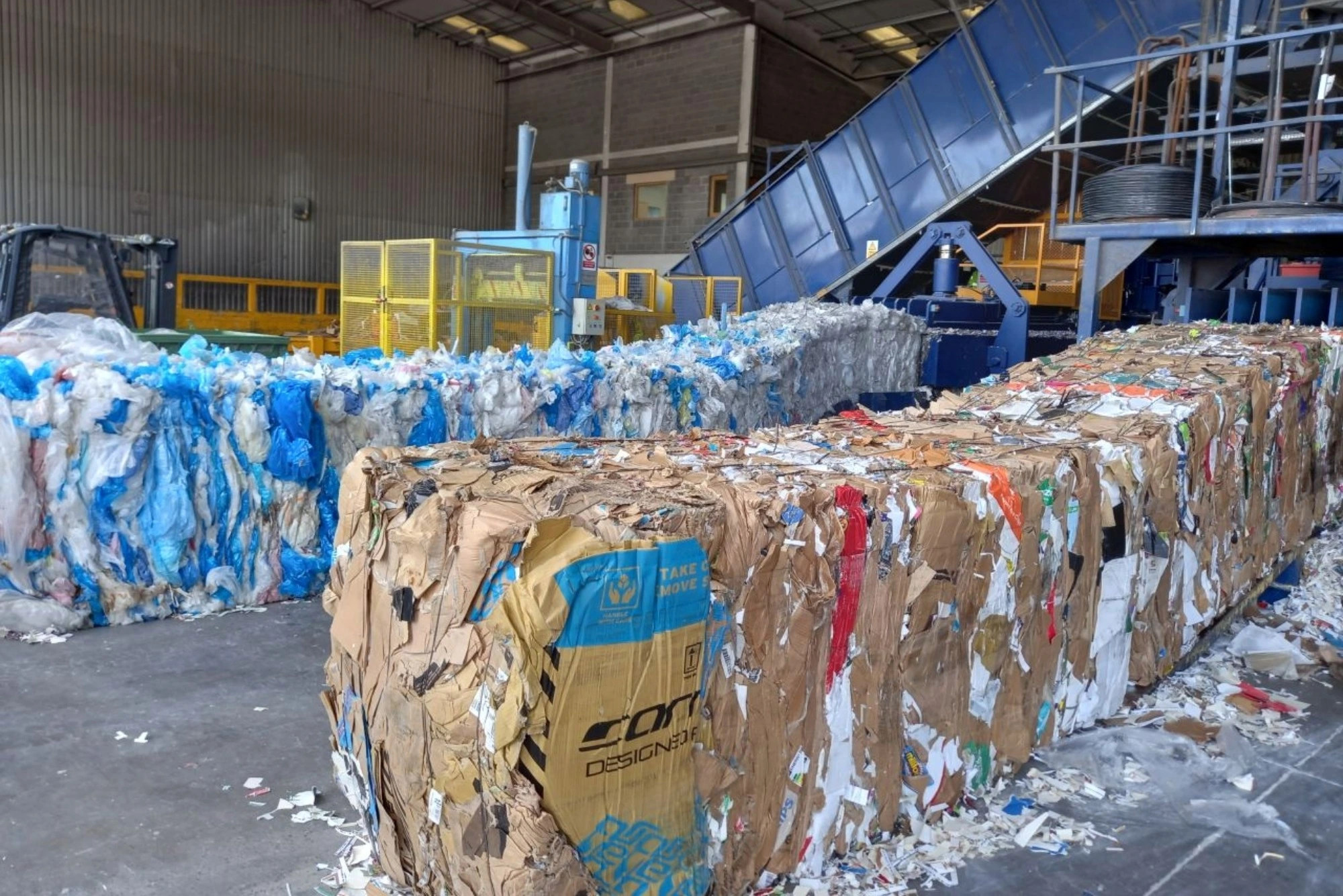
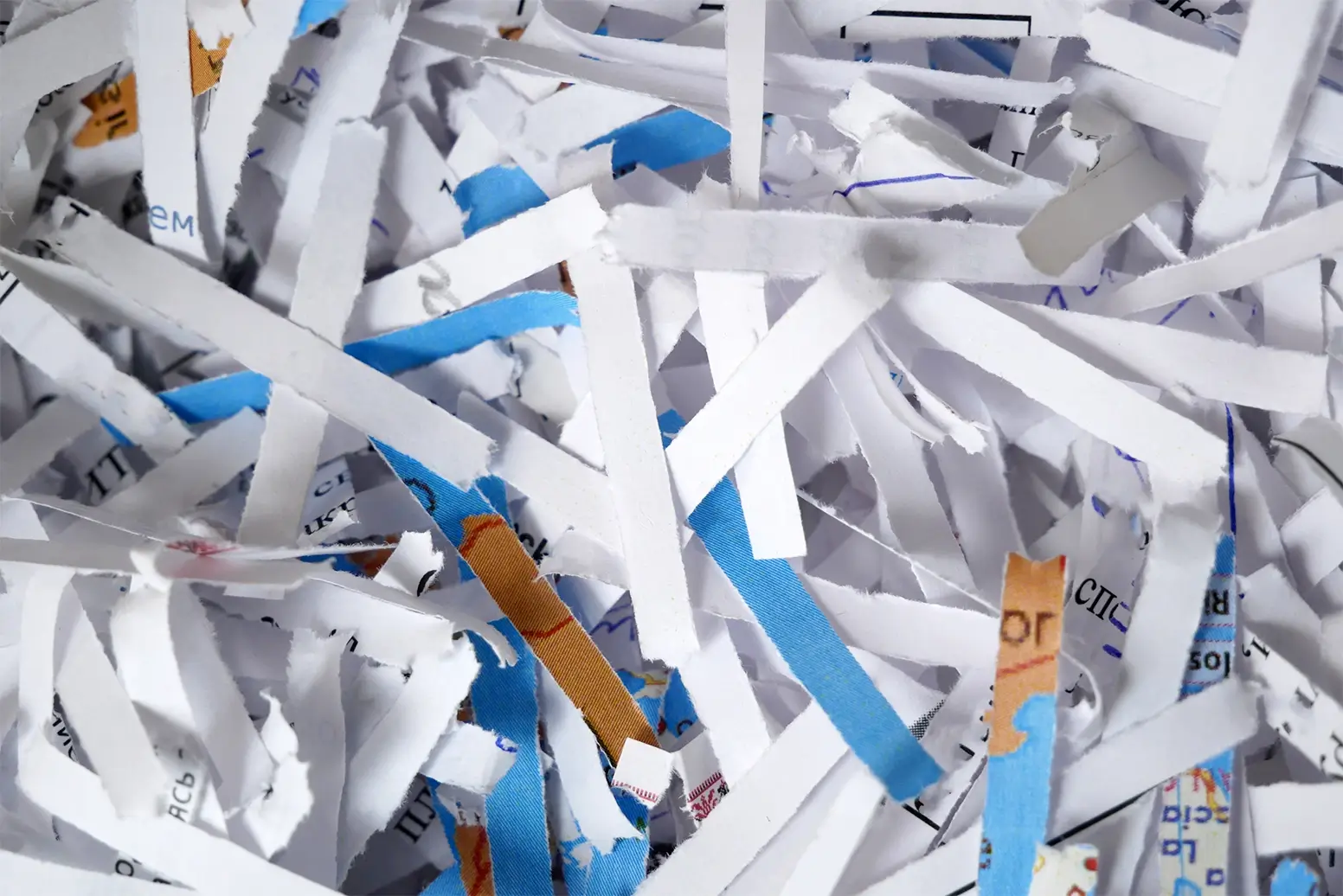
Paper and cardboard remain some of the most common waste streams, particularly in classrooms and administrative offices. Exercise books and used worksheets contribute to high volumes of recyclable paper-based materials. Art classrooms may produce an even higher volume of paper with students doing multiple sketches per lesson.
Plastics are also widely present, particularly in the form of food packaging, drink bottles, and used stationery items. And while many of these are indeed recyclable, they are often incorrectly disposed of due to unclear systems and a general lack of awareness.
Food waste is yet another significant contributor, especially in schools with canteens or catering services. Leftover meals, food preparation waste, and expired ingredients can quickly build up if not managed properly.
In addition to these core streams, schools might also generate general waste, electronic waste from IT equipment, and occasionally bulky waste from maintenance or refurbishment projects. Recognising these waste streams is essential as it allows decision-makers to identify where the biggest opportunities for improvement lie.
Why does strong waste management in schools matter?
Effective waste management in schools delivers benefits that go far beyond merely keeping premises tidy. From a financial perspective, better waste segregation can reduce disposal costs by diverting recyclable materials away from general waste streams, which are often more expensive to process.
Environmentally, waste management helps reduce landfill use, conserve natural resources, and lower carbon emissions. For schools working towards sustainability targets or environmental accreditations like Eco-Schools, improving recycling rates is a key area of focus.
There is also an important educational dimension which shouldn’t be overlooked. Schools are uniquely positioned to influence behaviour, and by embedding good waste practices into everyday routines early on, they can help students develop lifelong habits around recycling and environmental responsibility.
Conducting a waste audit
One of the most effective ways to improve waste management in schools is to start with a thorough waste audit. This involves reviewing how waste is currently generated, collected, and disposed of across the site.
A waste audit provides valuable insights into:
- The types and volumes of waste being produced
- Where contamination might be occurring
- Which materials are being incorrectly disposed of
- Opportunities to increase recycling rates
By analysing these factors, schools can identify inefficiencies and make informed decisions about how to improve their systems. For example, an audit might reveal that recyclable paper is being placed in general waste bins, or that food waste is contaminating otherwise recyclable materials.
Working with a specialist provider like Riverdale Recycling can make this process more effective, as they can offer professional guidance and practical recommendations tailored to the school’s layout and operations.
Improving bin infrastructure
Once waste streams are understood, the next step is to make sure that the right infrastructure is in place. Effective bin systems are central to successful waste management in schools, as they make it easy for students and staff to dispose of materials correctly.
Bins should be clearly labelled and positioned in convenient locations, such as classrooms, corridors, staff rooms, and dining areas. Providing separate containers for key waste streams like paper, plastics, and general waste helps prevent materials from being mixed.
Consistency is important. Using the same colours, labels and layouts across the site reduces confusion and encourages correct behaviour. Where possible, bins should be paired together (for example, recycling and general waste side by side) to make decision-making simple and intuitive.
In canteen areas, additional consideration should be given to food waste, with clearly designated containers to prevent contamination of recyclable materials.
Using clear signage & visual guidance
Even the best bin systems aren’t much use without clear communication. Signage plays a pivotal role in reinforcing waste management in schools, particularly in environments with large numbers of students moving between spaces throughout the day.
Effective signage should be simple and easy to understand at a glance. Images of common items can be more effective than text alone, particularly for younger students. For example, showing pictures of bottles, paper, or food waste can help users quickly identify the correct bin.
Positioning signage at eye level and directly above or on bins mean it is seen at the point of decision. Regularly reviewing and updating signage can also help maintain engagement and reflect any changes to waste streams or recycling guidelines.


Educating students and staff
Particularly apt given the sector, education is at the heart of improving waste management in schools. While infrastructure and systems are important, long-term success depends on people understanding and engaging with them.
For students, this can be integrated into the curriculum through lessons on sustainability or environmental science. Practical activities, such as recycling initiatives or eco clubs, can help reinforce these messages in a hands-on way.
But staff mustn’t be left behind in this process. Teachers, administrative staff, and facilities teams all play a role in maintaining effective waste systems. Ensuring they understand the correct procedures helps create consistency across the school.
Regular reminders, assemblies, or campaigns can also help keep waste management front of mind and encourage ongoing participation.
Reducing waste at source
While recycling is important, reducing waste in the first place is even more impactful. Schools can take simple steps to minimise the amount of waste they generate, supporting more effective waste management in schools overall.
This might include reducing paper use through digital resources, encouraging reusable containers in packed lunches, or working with suppliers to minimise packaging. In canteens, careful meal planning and portion control can help reduce food waste.
By focusing on waste prevention as well as recycling, schools can achieve more sustainable outcomes and reduce the burden on their waste systems.
Partnering with a waste management provider
Working with an experienced provider is a key factor in improving waste management in schools. A specialist partner can help design and implement systems that are both practical and compliant with current regulations. This includes:
- Conducting waste audits and identifying opportunities for improvement
- Providing appropriate containers and collection schedules
- Making sure materials are processed correctly
- Offering guidance on best practice and compliance
Reliable collections are essential to maintaining effective waste systems. Missed collections or inconsistent schedules can quickly lead to overflow and disruption. A trusted provider also makes sure that recyclable materials are genuinely recycled, giving schools confidence that their efforts are delivering real environmental benefits.
Maximising recycling rates
With the right system in place, schools can significantly improve their recycling performance. The key really is consistency – making sure that materials are correctly segregated and processes are followed across the whole site.
Monitoring performance over time can help identify areas for further improvement. This might involve reviewing waste volumes, assessing contamination levels, or gathering feedback from staff and students.
Celebrating progress can also be a powerful motivator. Sharing recycling achievements with the school community helps reinforce positive behaviour and maintain momentum.
Building long-term habits
One of the most valuable outcomes of effective waste management in schools is the opportunity to build long-term habits. Students who learn the importance of recycling and sustainability in school are more likely to carry these behaviours into adulthood.
By embedding waste management into daily routines, schools can create a culture of responsibility and environmental awareness. This not only benefits the school itself but also contributes to wider societal change.
How can Riverdale Recycling help?
Riverdale Recycling supports schools in developing effective, compliant, and practical waste management systems. From initial waste audits to tailored collection services, we help identify opportunities to improve recycling rates and reduce costs.
Our team works closely with schools to implement clear, consistent systems that make waste segregation simple and effective. With reliable collections and a focus on material quality, we ensure recyclable waste is handled responsibly and efficiently.
By partnering with Riverdale Recycling, schools gain the expertise and support needed to strengthen their waste management, creating lasting environmental and operational benefits. Contact us today to book your free site audit.
More from our blog


Serving UK businesses for over 40 years
We have built a legacy of expert waste management, driving innovation in sustainable recycling solutions.

Operating a Zero Waste to Landfill policy
We strive to eliminate landfill reliance through meticulous sorting, processing and innovative waste-to-energy services.

North East based, delivering nationwide services
We're a North East company with a national footprint, supporting businesses across the UK.

Expert knowledge with a personalised service
We tailor our waste management solutions to meet your unique business needs, offering ongoing support.
Let's explore your recycling options
We’ll help you develop a tailored waste management solution that meets your business goals and environmental objectives. We’re here to answer your questions and provide expert guidance.