
Paper
Paper 20 Apr 2026
A complete guide to recycling for schools and universities
Find out why different educational environments produce different types of waste, and how universities can scale up their approach to recycling for larger campuses.
Recycling plays an essential role in creating cleaner, more sustainable educational environments. From primary schools to large university campuses, every setting produces waste that must be managed carefully to minimise environmental impact and maintain efficient operations.
While the scale and complexity differ, the principles remain the same: clear systems, consistent behaviours, and a good understanding of the materials being handled.
Each stage of education brings its own recycling challenges. Younger pupils tend to generate high volumes of paper and food-related waste, while older students and universities introduce more complex streams such as packaging from deliveries and redundant equipment.
Understanding these differences is key to building effective recycling for schools and ensuring systems work in practice, not just on paper. In this handy guide, we explore how different educational environments produce different types of waste, and how universities can scale up their approach to recycling for larger campuses.
The importance of recycling for schools and universities
Educational institutions are uniquely placed to influence behaviour while managing significant volumes of waste. Effective recycling for schools not only helps reduce environmental impact but also creates opportunities to instil responsible habits in students from an early age.
Across all levels of education, recycling supports:
- Reduced reliance on landfill
- Lower carbon emissions
- More efficient use of resources
- Improved sustainability performance
There is also a clear operational benefit. Recycling can reduce disposal costs, particularly when materials such as paper and plastics are kept separate from general waste.
Alongside recycling, it’s important to consider the broader role of waste management systems. A well-structured approach to handling waste streams, from segregation to collection, underpins successful recycling outcomes.
Paper and cardboard: a core recycling stream
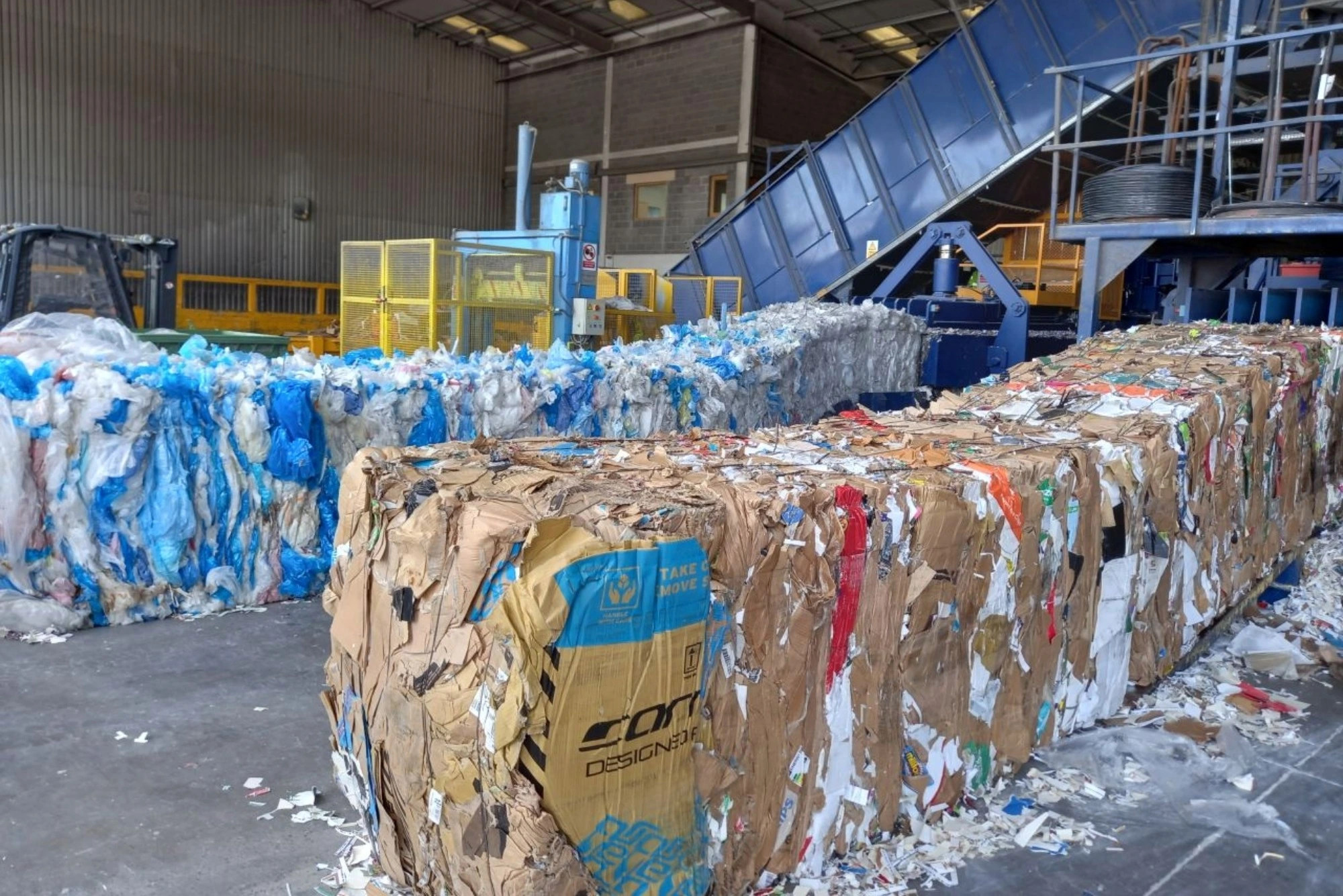
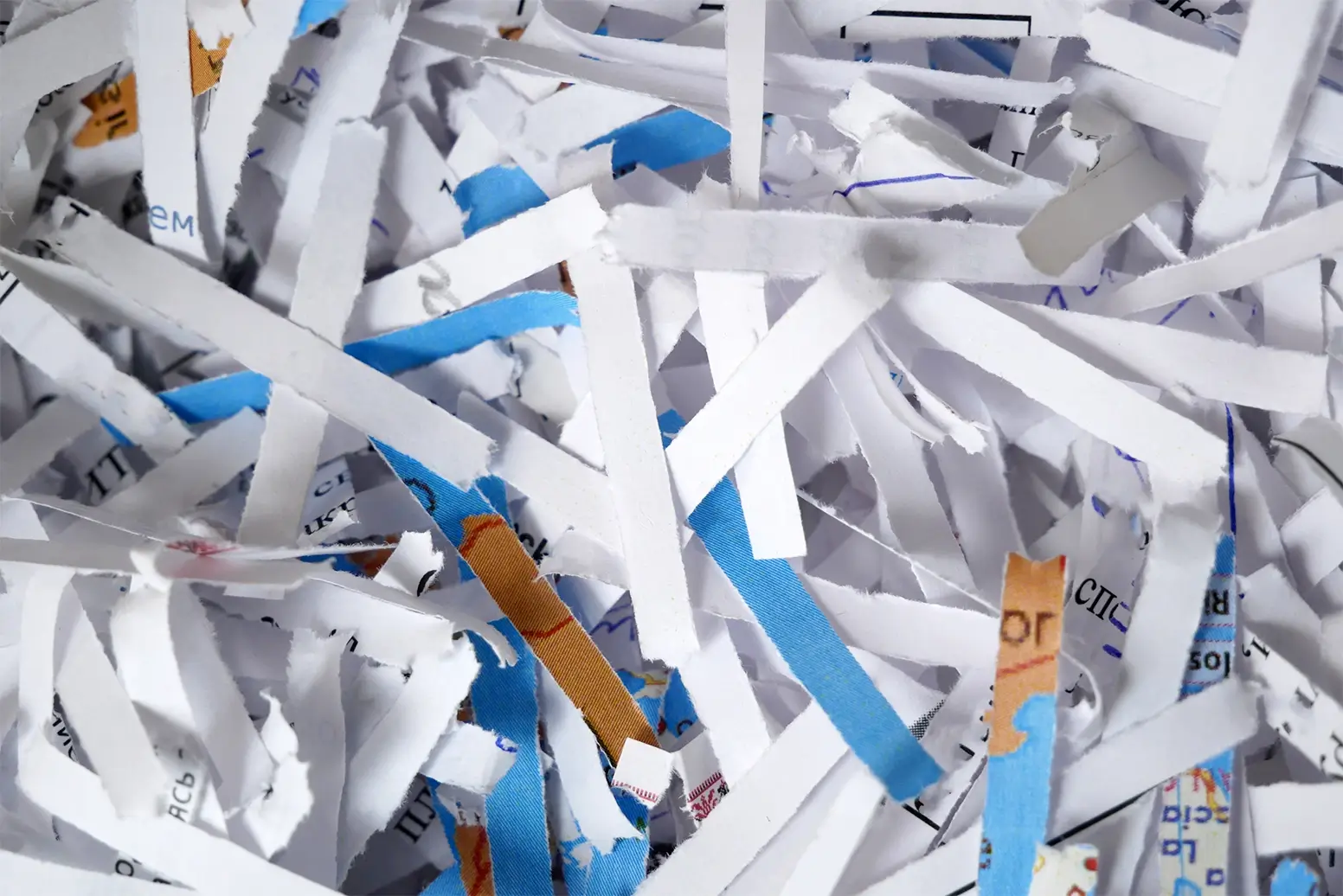
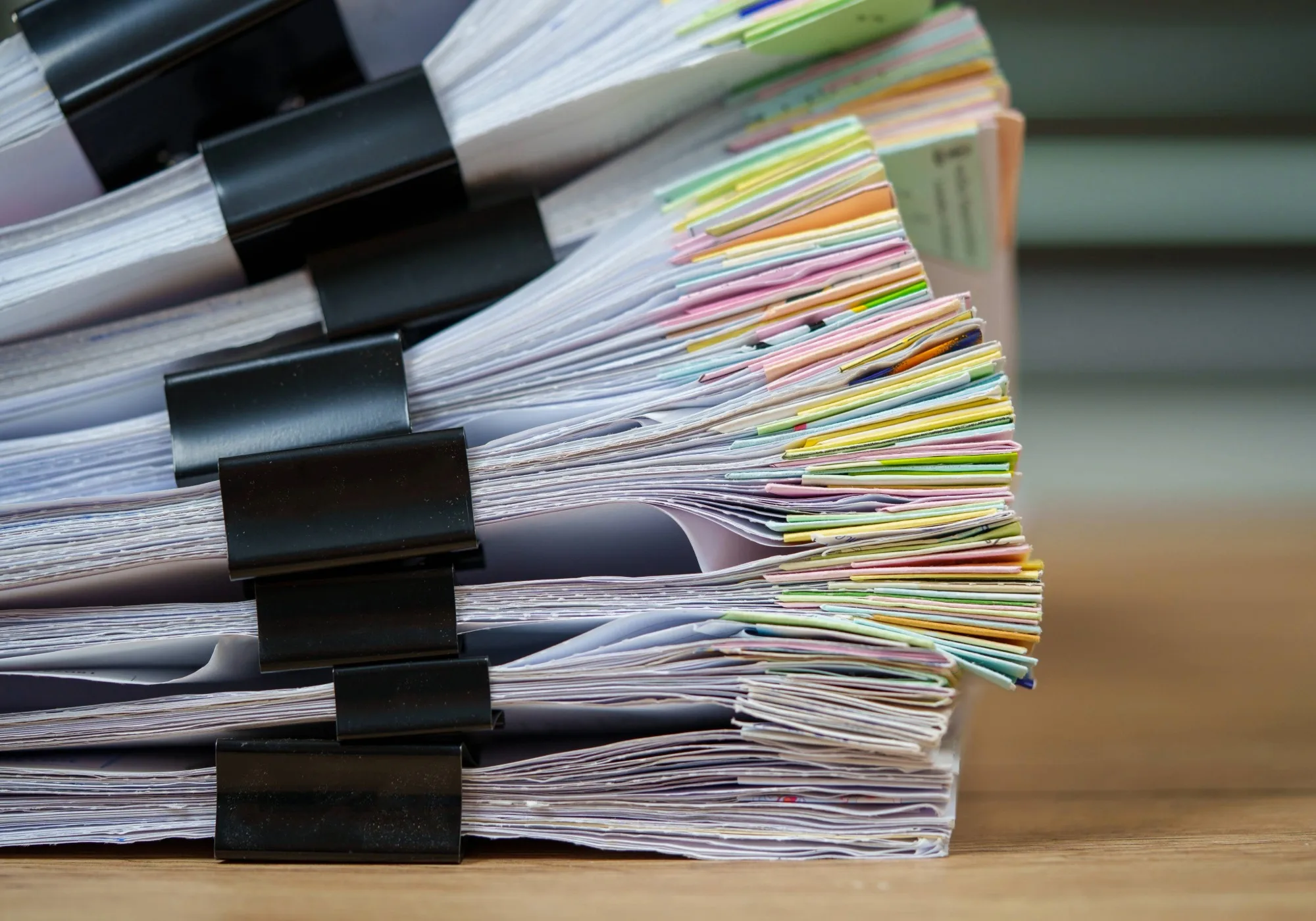
Paper and cardboard are among the most visible and consistent waste streams in educational settings. In primary and secondary schools, they are embedded in daily activities. Exercise books, worksheets, and other printed resources all contribute to a steady flow of recyclable material throughout the school day.
What makes this waste stream particularly important is its volume. Even small inefficiencies in how paper is handled can quickly add up, leading to large quantities being incorrectly disposed of. It is not uncommon for recyclable paper to end up in general waste simply because the correct bin is not within easy reach, or because materials have been mixed with food residue.
As students move into further and higher education, cardboard becomes more prominent alongside paper. Deliveries of supplies, equipment, and personal items contribute to a noticeable increase in packaging waste, particularly in shared accommodation and communal areas. Flattened boxes and clean cardboard can be easily recycled, but only if they are kept separate from other materials.
The key to improving performance in this area lies in simplicity. When recycling points are clearly visible and consistently used across a site, paper and cardboard can be captured efficiently. When looking at how to strengthen recycling for schools, this remains one of the most straightforward and high-impact areas to address.
Plastics: more variety, more complexity
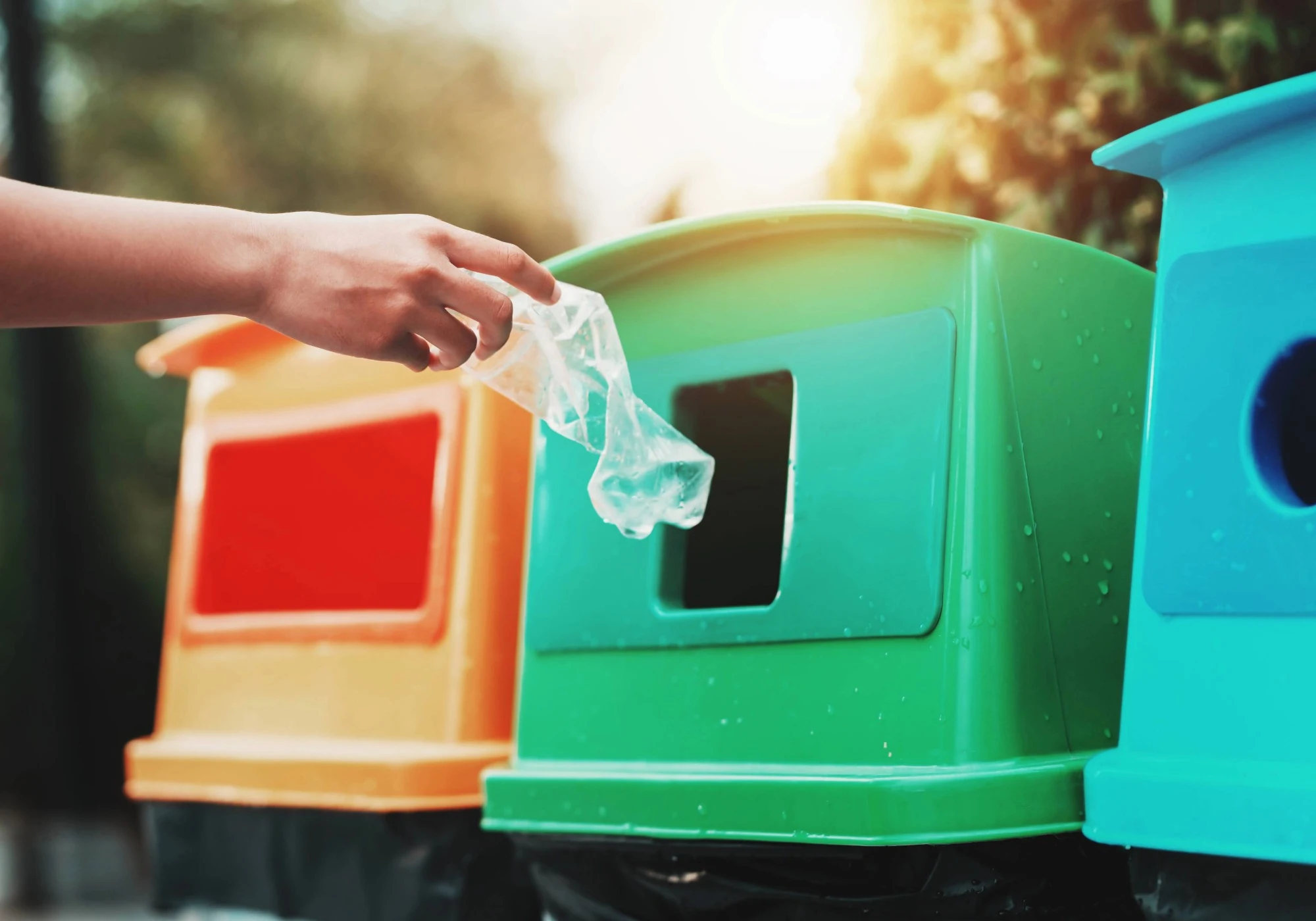
Plastic waste is another major component of recycling in educational settings, though it can be more complex to manage than paper or cardboard. Common items include drink bottles, food packaging, stationery, and protective wrapping.
In primary and secondary schools, plastics are often linked to packed lunches, snacks, and drinks. Bottles and packaging can quickly accumulate, particularly in dining areas and playgrounds. Without clear systems and a guiding hand for young students, these materials are often disposed of incorrectly.
At university level, plastic waste tends to be more varied. In addition to the expected food and drink packaging, there may be higher volumes of delivery packaging and takeaway containers. After all, everyone knows students love a takeaway.
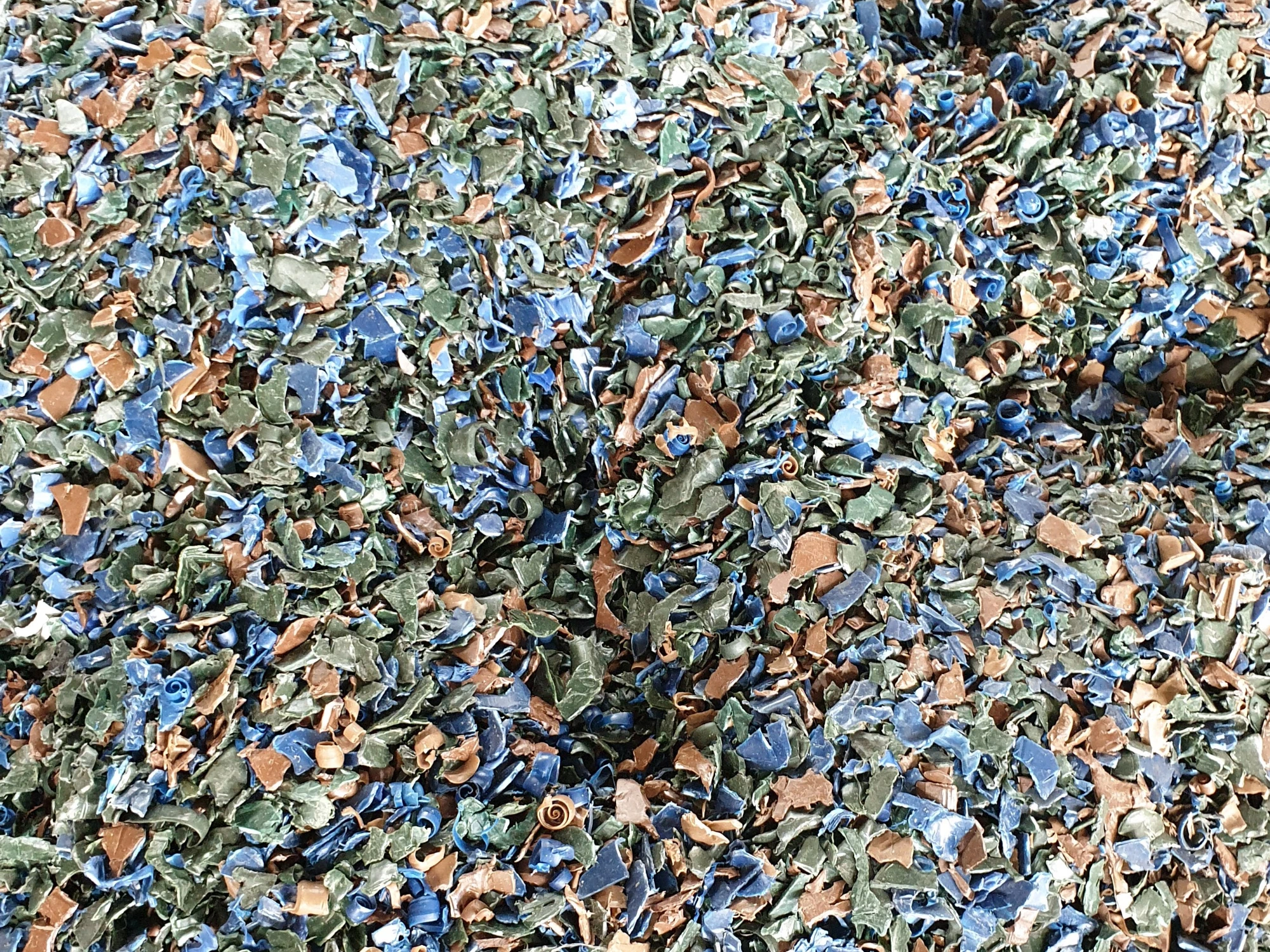
One of the key challenges with plastics is making sure that materials are properly segregated. Different polymer types, such as PET bottles and HDPE containers, need to be kept separate where possible to maintain recycling quality. Contamination from food residue can also reduce the effectiveness of recycling processes.
In general, recycling for schools can be vastly improved by prioritising clear bin systems, consistent labelling, and encouraging simple habits such as emptying containers before disposal.
Scaling up recycling operations for universities
University campuses often function like small towns, with lecture halls, accommodation blocks, catering facilities, offices, and social spaces all contributing to a complex and continuous flow of waste. This shift in scale requires a more structured and strategic approach to recycling.
Unlike smaller educational settings, universities must manage high volumes of materials across multiple locations, often with thousands of students and staff using shared facilities. This can make consistency more difficult to maintain, particularly when individuals are moving between buildings and disposing of waste in different environments throughout the day.
One of the key challenges is ensuring that recycling systems remain clear and easy to follow, even at scale. Standardised bin systems, consistent signage, and well-positioned recycling stations help create familiarity, making it easier for users to dispose of materials correctly regardless of where they are on campus.
Collection logistics also become more important at this level. With larger volumes of waste being generated, universities need reliable, well-planned collection schedules that prevent overflow and maintain clean, functional spaces. This often involves coordinating collections across multiple buildings and adapting to fluctuations in demand, such as term times or large campus events.
Effective recycling for schools at university level also relies on strong communication. With a diverse and constantly changing population, regular messaging is essential to reinforce expectations and encourage participation. Clear guidance, supported by visible systems, helps ensure that recycling remains consistent across the campus.
The role of a specialist recycling partner
Managing recycling across a school or university can be complex, particularly when dealing with multiple waste streams and large numbers of users. This is where working with a specialist recycling partner becomes particularly valuable.
An experienced provider can help assess how waste is generated across a site and recommend practical improvements. This might involve refining collection schedules, adjusting container provision, or identifying opportunities to improve segregation.
Equally important is the assurance that materials are being handled correctly once they leave the site. A trusted partner provides confidence that recycling efforts are delivering real environmental benefits, rather than simply shifting waste from one place to another.
For schools looking to strengthen their recycling and waste management processes, this support can make the difference between a system that works in theory and one that delivers consistent, measurable results.
How can Riverdale Recycling help?
Riverdale Recycling works with schools, colleges and universities to manage a wide range of waste streams effectively. From everyday materials such as paper and plastics to more complex streams like IT equipment, we provide tailored solutions designed to improve recycling performance and maintain compliance.
Our team’s approach is built around understanding how your site operates, allowing us to implement clear, practical systems that work for your environment. With reliable collections and a focus on material quality, we ensure recyclable materials are handled responsibly and efficiently.
By partnering with Riverdale Recycling, recycling for schools becomes simpler, allowing them to create cleaner, more sustainable spaces for students and staff alike. Get in touch today to discuss your school, college, or university’s recycling needs.
More from our blog


Serving UK businesses for over 40 years
We have built a legacy of expert waste management, driving innovation in sustainable recycling solutions.

Operating a Zero Waste to Landfill policy
We strive to eliminate landfill reliance through meticulous sorting, processing and innovative waste-to-energy services.

North East based, delivering nationwide services
We're a North East company with a national footprint, supporting businesses across the UK.

Expert knowledge with a personalised service
We tailor our waste management solutions to meet your unique business needs, offering ongoing support.
Let's explore your recycling options
We’ll help you develop a tailored waste management solution that meets your business goals and environmental objectives. We’re here to answer your questions and provide expert guidance.