
Paper
Plastics 19 Mar 2026
Maximising the value of your business’s polythene packaging waste
Without proper recycling, polythene packaging often becomes wasted potential. By separating and managing it correctly, businesses can turn this material into a valuable resource, reducing costs while supporting a more circular economy.

Polythene packaging plays an important role in modern supply chains, helping businesses store and transport goods efficiently.
However, once it has been used, businesses are often left with large volumes of the material to manage. Despite how common it is, many organisations are still unsure about the correct way to handle or recycle it. In the context of a circular economy, polythene should be viewed as a valuable raw material that can be kept in use indefinitely.
In this blog post, we’ll explore the role of polythene packaging in commercial waste, how companies can transition from traditional disposal to circular recovery, and the financial benefits of doing so.
We’ll also highlight common mistakes that can prevent successful recycling and explain how businesses can improve their waste processes.
The role of polythene packaging in business waste
Polythene packaging is widely used across many industries, including retail, logistics, and manufacturing.
Common examples of include shrink and pallet wrap, carrier bags, and protective plastic films used to secure or cover products. As these materials are lightweight, flexible and durable, they are often used in large quantities across supply chains.
Polythene often ends up in general waste skips destined for Energy from Waste (EfW) facilities. This represents a rift in the circular economy, once the plastic is burned for energy, that material is gone forever.
When businesses separate this material from other waste streams, it can be collected and processed for reuse, keeping the plastic in the production loop and reducing the need for virgin oil-based plastics.
The financial incentives: Rebates vs. disposal
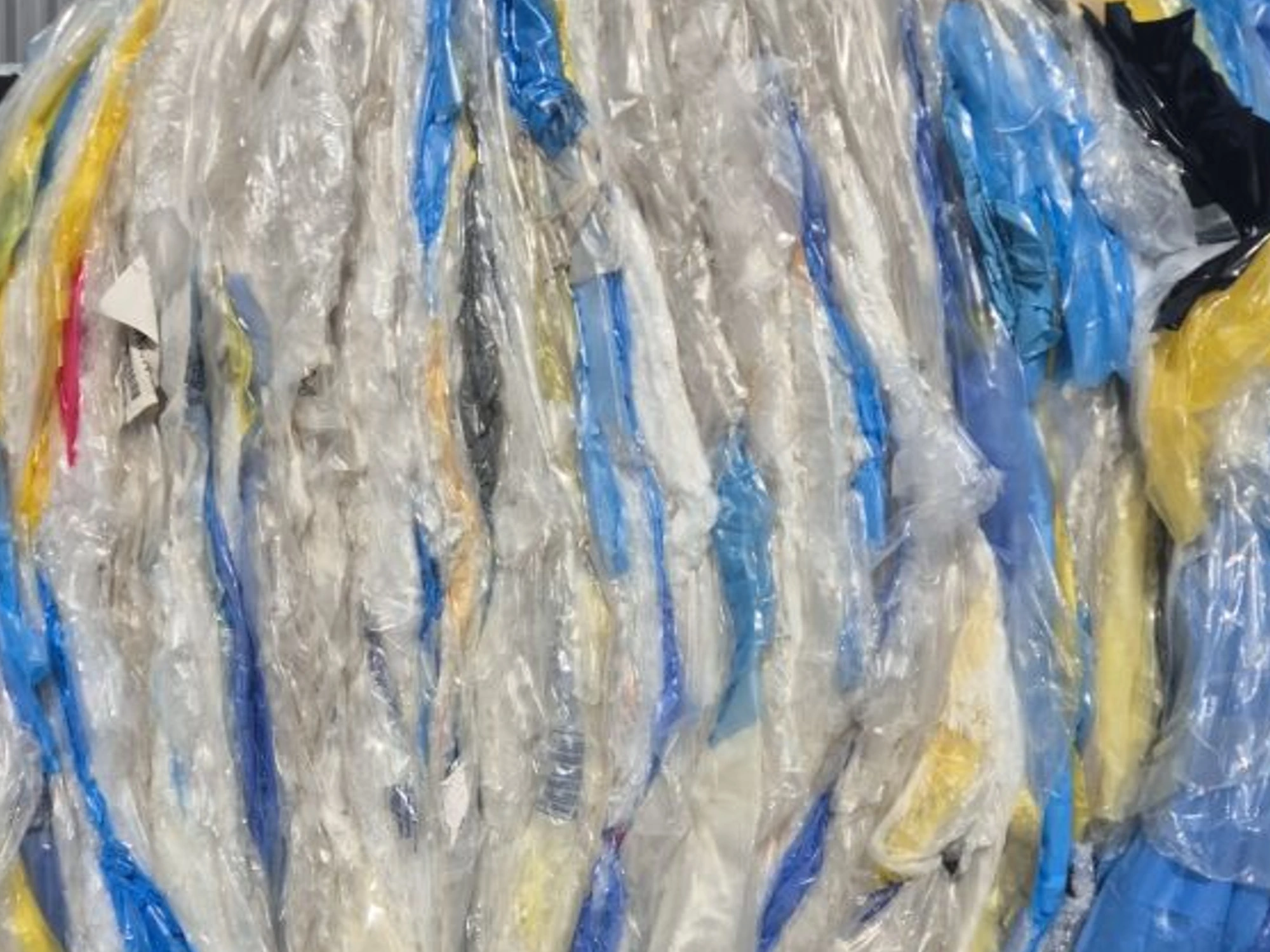
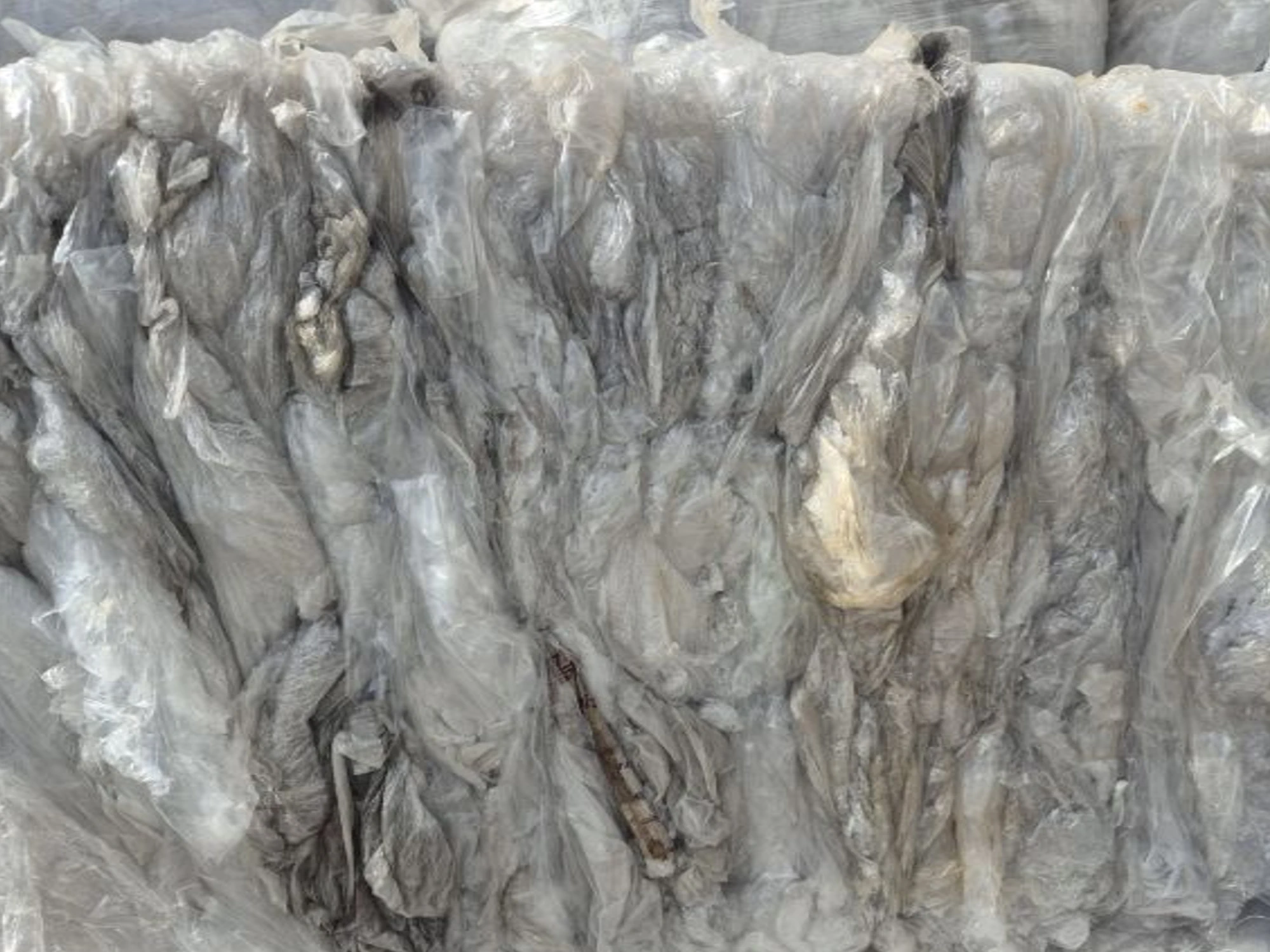
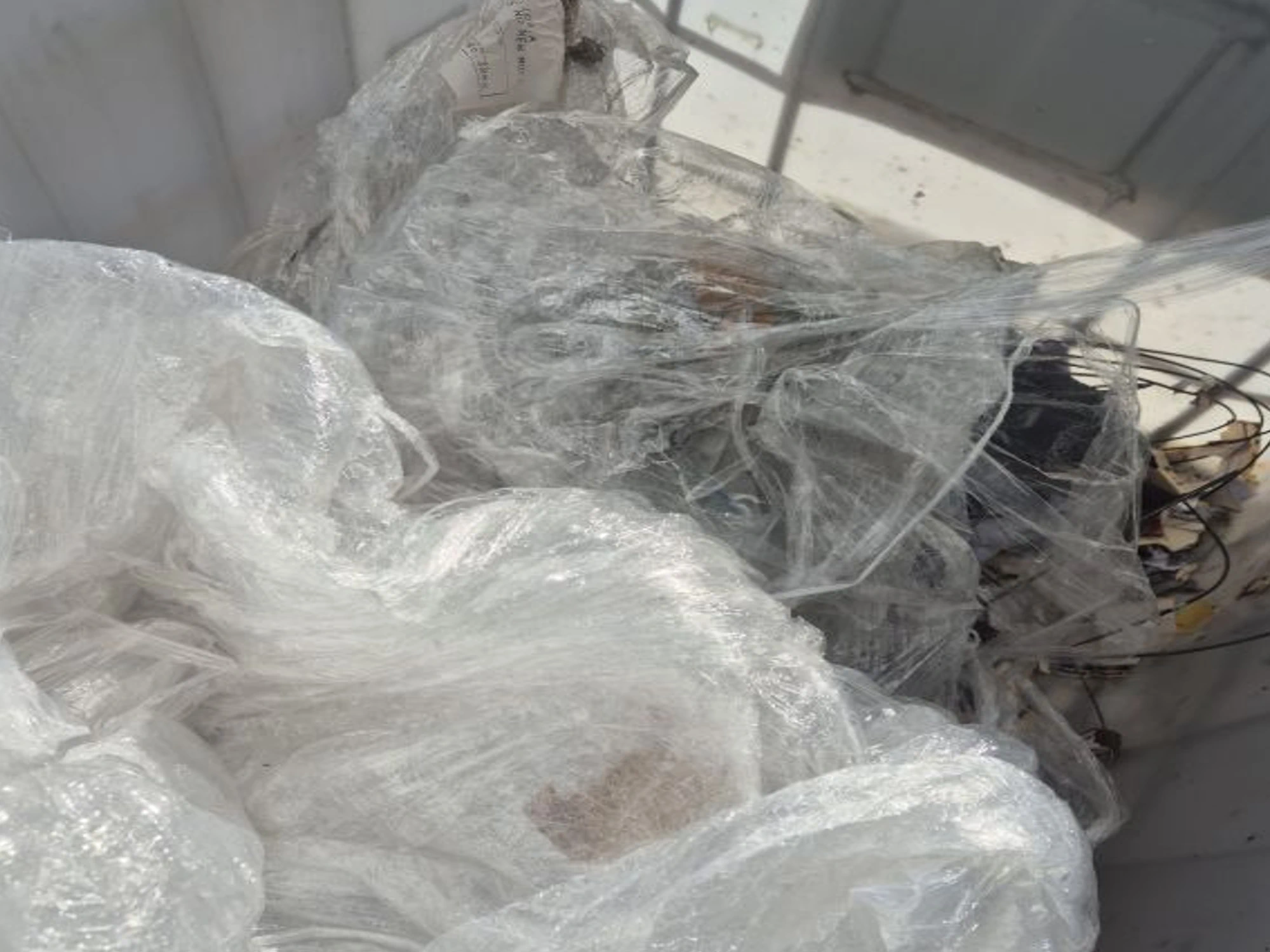
Many organisations underestimate the volume of polythene they generate. As mentioned, without proper segregation, it becomes mixed with other waste, which has two major negative impacts on a business’s bottom line:
- Increased waste uplifts: Bulky, loose plastic film takes up significant space in general waste bins. This leads to more frequent bin collections, increasing transport costs and carbon emissions.
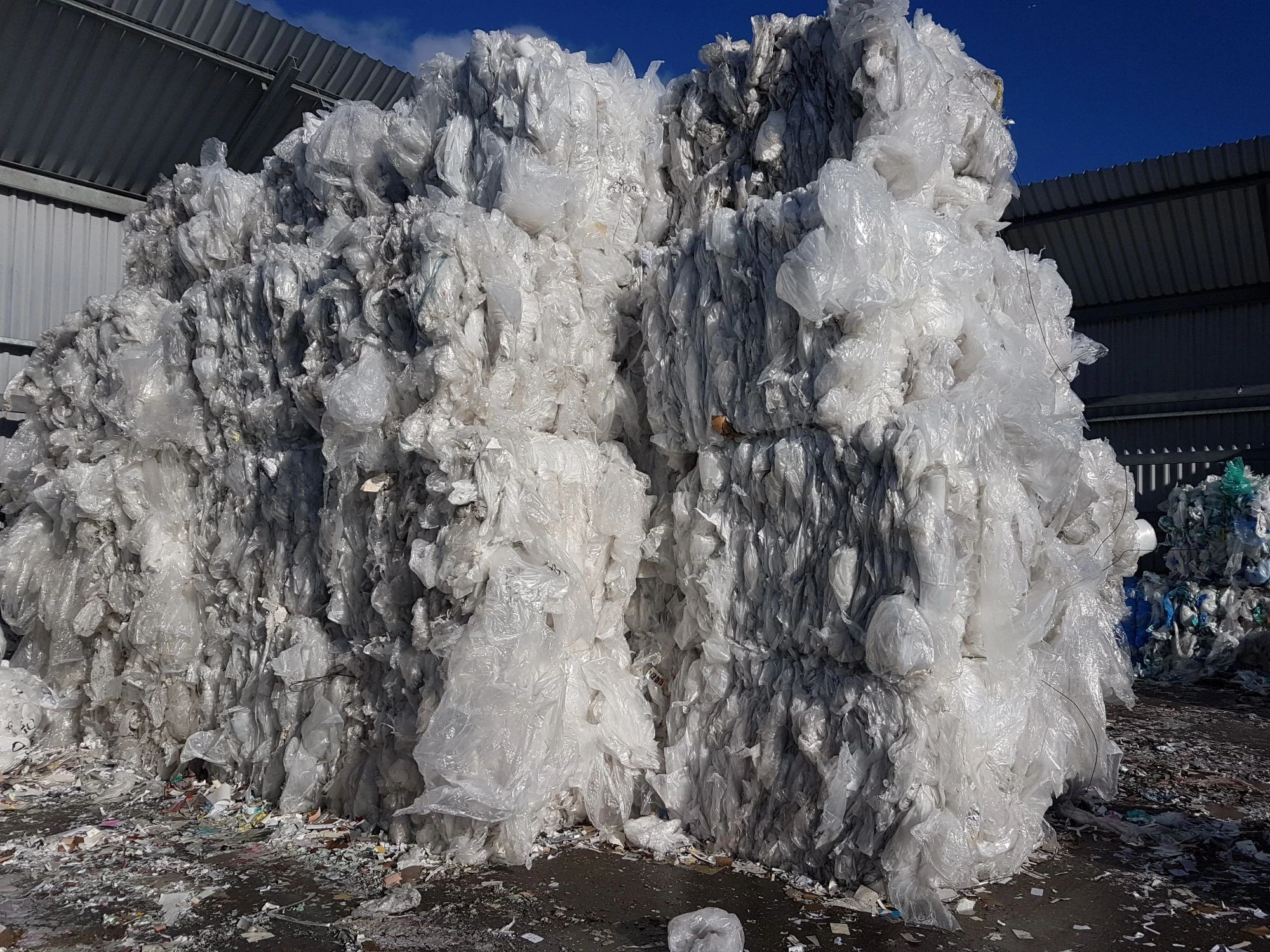
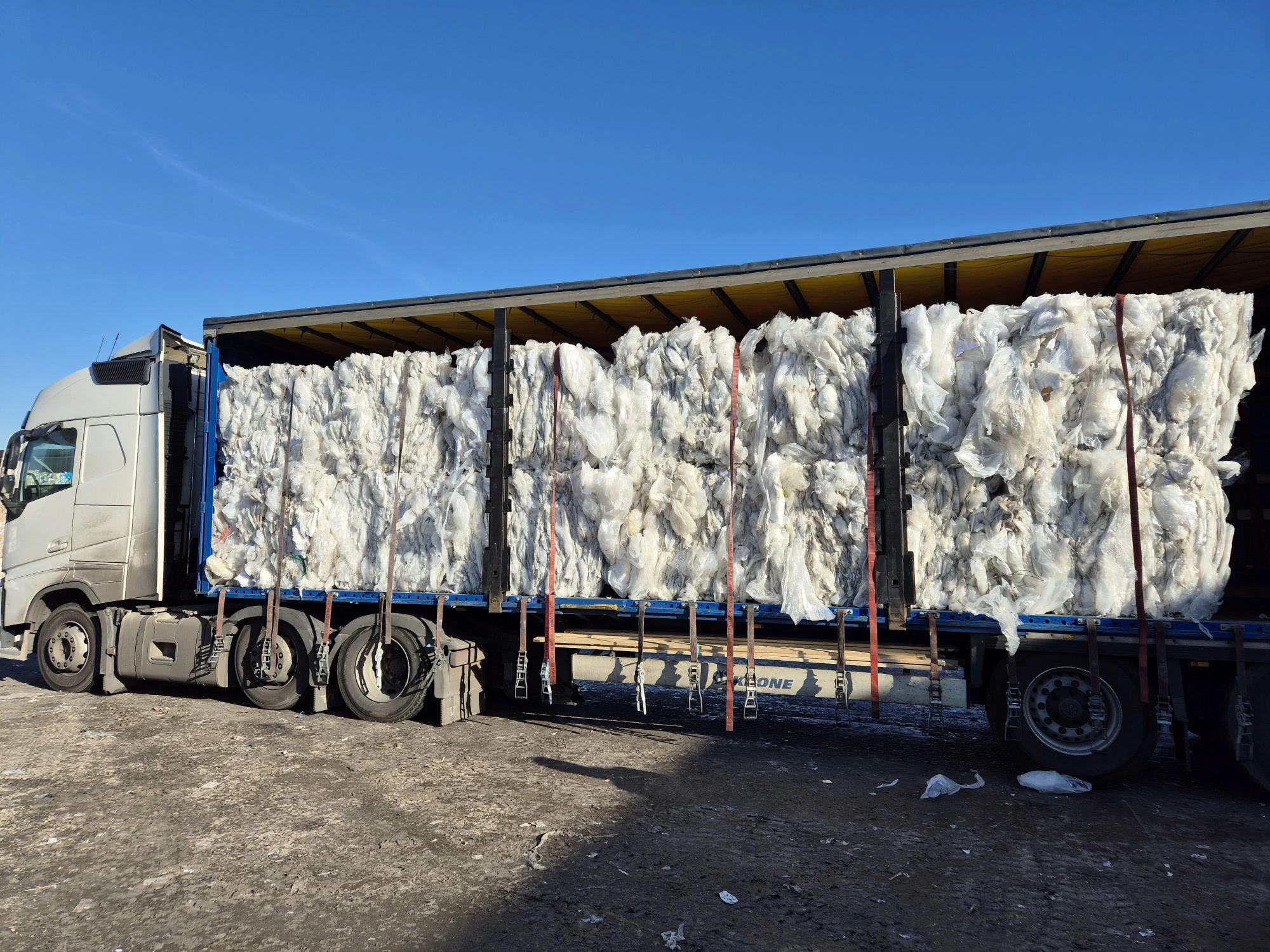
- Missed revenue: Clean, segregated, and baled polythene (particularly LDPE pallet wrap) often carries a market value. By diverting this from the general waste stream, businesses can move from paying for disposal to EfW sites, to receiving a rebate on their material.
Common sources of polythene packaging in commercial waste
Polythene packaging can enter a business’s waste stream in several different ways.
Some of the most common sources include:
Warehouse pallet deliveries
In warehouse environments, pallets are typically secured using stretch or shrink wrap to stabilise goods during transport.
When deliveries arrive, this wrap is removed before the products are moved into storage or prepared for distribution. With multiple pallet deliveries arriving each day, this can quickly create a large volume of plastic film waste.
Retail stock deliveries
Retail businesses also encounter polythene packaging regularly through incoming stock deliveries.
Products are often wrapped in protective film or packaged within plastic bags to prevent damage during transport. As employees unpack items and prepare them for display or storage, these materials are discarded as part of routine operations.
Manufacturing and production processes
In manufacturing environments, polythene packaging is commonly used to protect components and finished goods during production.
Items may be wrapped to prevent dust, moisture, or contamination while they move through the production line or await further processing. These protective films are often removed before final packaging, adding to the volume of plastic waste generated on-site.
Storage and transport protection
Plastic films are also widely used to cover goods while they are stored or transported between locations.
Whether protecting products on warehouse shelving or securing items for internal logistics, polythene helps maintain product quality. Once the goods reach their destination, the packaging is removed and typically enters the business waste stream.
Recognising how frequently polythene packaging appears in daily operations is the first step towards managing it more effectively. By identifying where it is generated, businesses can begin putting processes in place to separate and recycle these materials properly.
Understanding the different types of polythene
The two most common forms businesses encounter are high-density polythene (HDPE) and low-density polythene (LDPE). Understanding the difference between them can help organisations manage and recycle their waste more effectively.
High-density polythene (HDPE)
HDPE is a stronger and more rigid material. It is typically used for thicker bags, containers, and heavier-duty packaging that needs to maintain its shape and offer greater durability.
Because of its structure, HDPE packaging often appears more solid and is usually opaque rather than clear. These items are typically sorted and processed with other hard plastics
Low-density polythene (LDPE)
Low-density polythene is softer and more flexible. This makes it ideal for products such as stretch, shrink and pallet wrap – all of which are commonly used to secure goods.
As a result, LDPE is the most common type of polythene found in commercial packaging waste. These materials are usually collected and baled separately through specialist film recycling streams.
The most common mistakes businesses make with polythene waste
Below are some of the most typical errors organisations make when handling polythene waste:
Mixing polythene with cardboard or paper waste
Polythene packaging is often discarded alongside cardboard boxes or paper packaging during unpacking.
When these materials become mixed together, it can make sorting more difficult and reduce the quality of recyclable material. Keeping plastic films separate from cardboard helps ensure both waste streams can be recycled properly.
Contamination from food residue or liquids
In some environments, polythene packaging may come into contact with food residue, liquids, or other contaminants.
When plastic films are heavily contaminated, they can become unsuitable for recycling and may need to be disposed of as general waste instead.
Placing polythene in general waste streams
Without a dedicated recycling process in place, polythene packaging is often placed directly into general waste bins.
Once mixed with other waste types, it becomes far more difficult to recover and recycle, meaning material that could otherwise be reused may end up being disposed of.
Lack of clear separation areas in warehouses
In warehouses and distribution centres, employees often remove packaging quickly while unloading deliveries or preparing orders.
If there are no clearly marked areas for separating waste materials, polythene can easily become mixed with other packaging types.
Limited employee training on waste segregation
Even when recycling systems are available, they are only effective if employees understand how to use them.
Without clear guidance or training on waste segregation, employees may unintentionally dispose of recyclable polythene incorrectly during day-to-day operations.
Practical ways businesses can improve polythene segregation
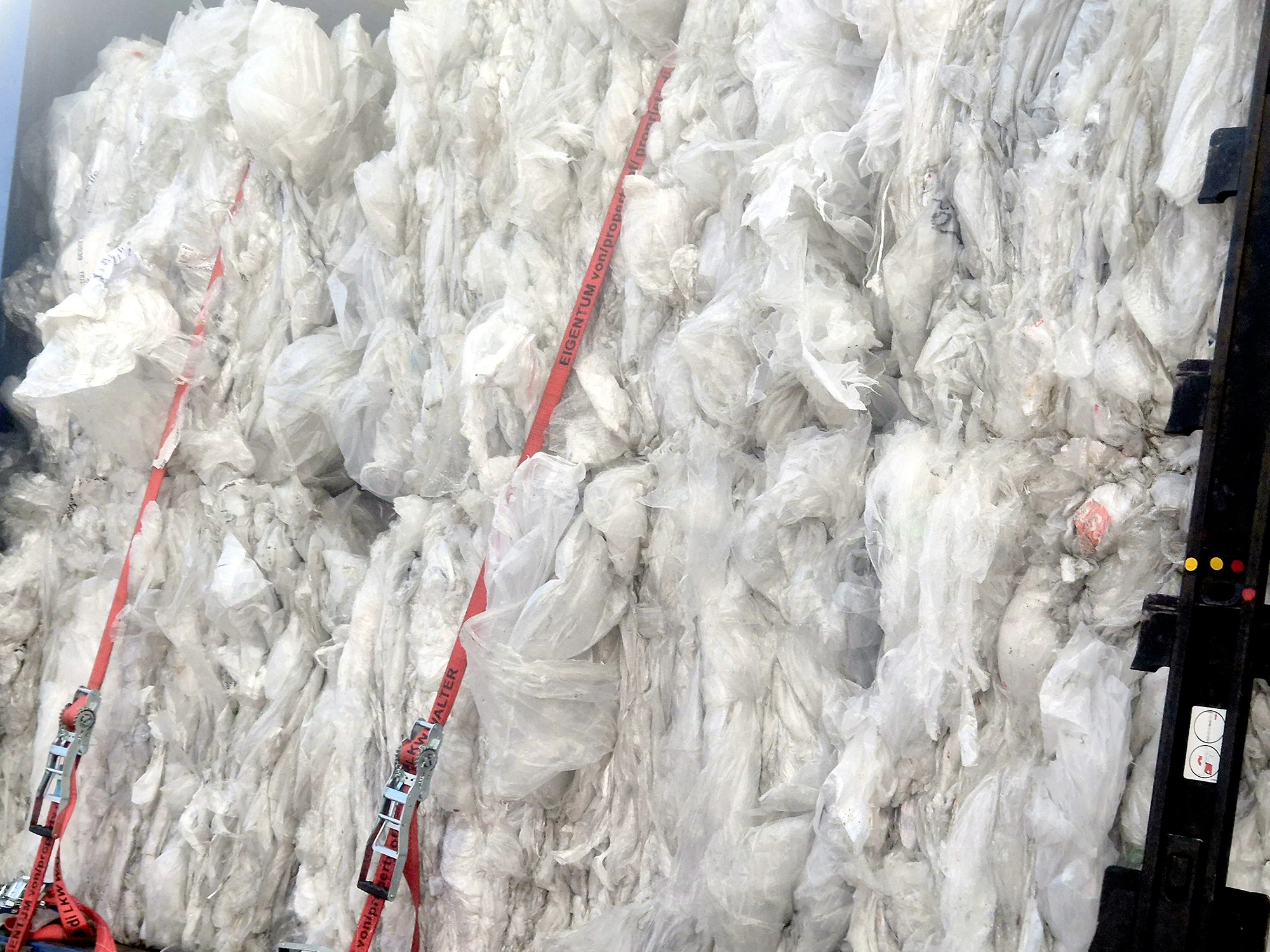
Improving how polythene waste is handled does not usually require major operational changes. In many cases, small adjustments to waste processes can significantly increase the amount of material that can be recycled.
Below we highlight some practical steps businesses can introduce to manage polythene packaging more effectively:
Set up clearly labelled polythene recycling points
Providing dedicated recycling points for polythene makes it easier for employees to dispose of packaging correctly.
Clearly labelled bins or collection points placed near loading bays or warehouse workstations can help ensure plastic films are separated from other materials as soon as they are removed.
Position recycling areas close to unpacking points
Polythene packaging is often removed quickly during deliveries and stock handling.
Placing recycling containers close to these work areas makes it easier for employees to separate materials immediately rather than carrying them across the warehouse or disposing of them elsewhere.
Introduce colour-coded bags for plastic film
Using colour-coded bags or liners for different waste streams can help make segregation more straightforward for employees.
Assigning a specific colour for polythene packaging allows staff to quickly identify the correct disposal option, reducing the risk of materials being mixed with other waste types.
Carry out periodic waste checks
Reviewing recycling areas periodically can help businesses ensure polythene is being separated correctly.
Simple waste checks allow teams to identify contamination issues, spot inefficiencies in current processes, and adjust recycling procedures where needed.
Schedule regular collections for plastic film
If polythene waste is left to accumulate for long periods, it can quickly take up space in storage or warehouse areas. Overfilled recycling containers can also discourage employees from using them correctly.
Arranging regular collections with an expert recycling partner helps keep recycling areas clear and ensures plastic films are removed before they begin to interfere with daily operations.
How Riverdale helps businesses manage polythene packaging waste
Businesses often benefit from working with a reliable recycling partner that understands how these materials move through distribution centres and production environments.
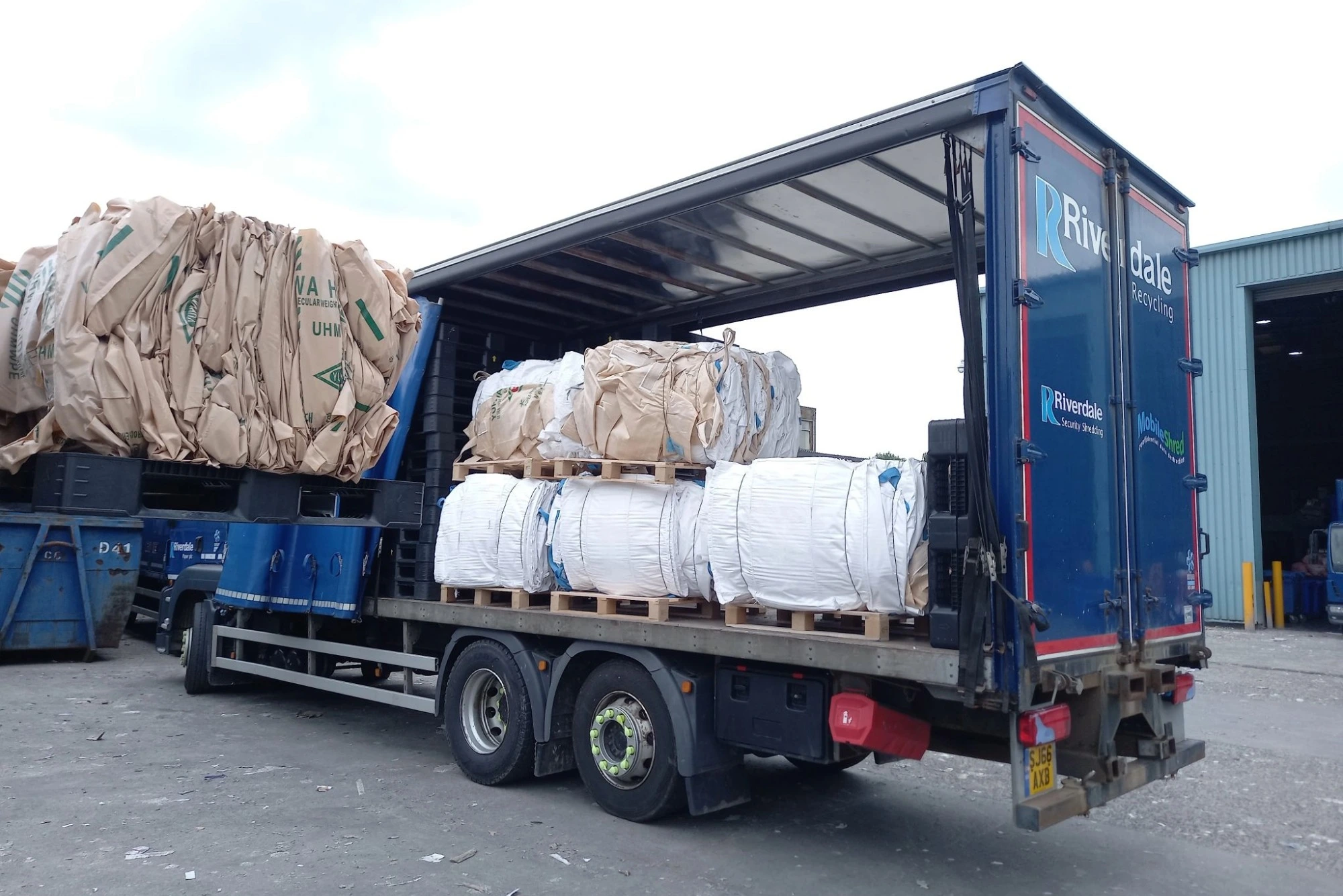
At Riverdale Recycling, we provide dedicated plastic recycling services designed to help businesses manage polythene packaging waste more efficiently.
This includes commonly generated materials such as pallet wrap, shrink wrap, plastic film, and other flexible packaging used to protect goods during transport and storage.
One of the key ways we support businesses is by helping them identify where polythene packaging is generated within their operations.
Through site assessments and practical guidance, we can highlight areas where packaging films are removed, such as goods-in bays or unpacking stations and recommend simple improvements that make segregation easier for employees.
We also help businesses set up appropriate storage and collection systems for plastic films.
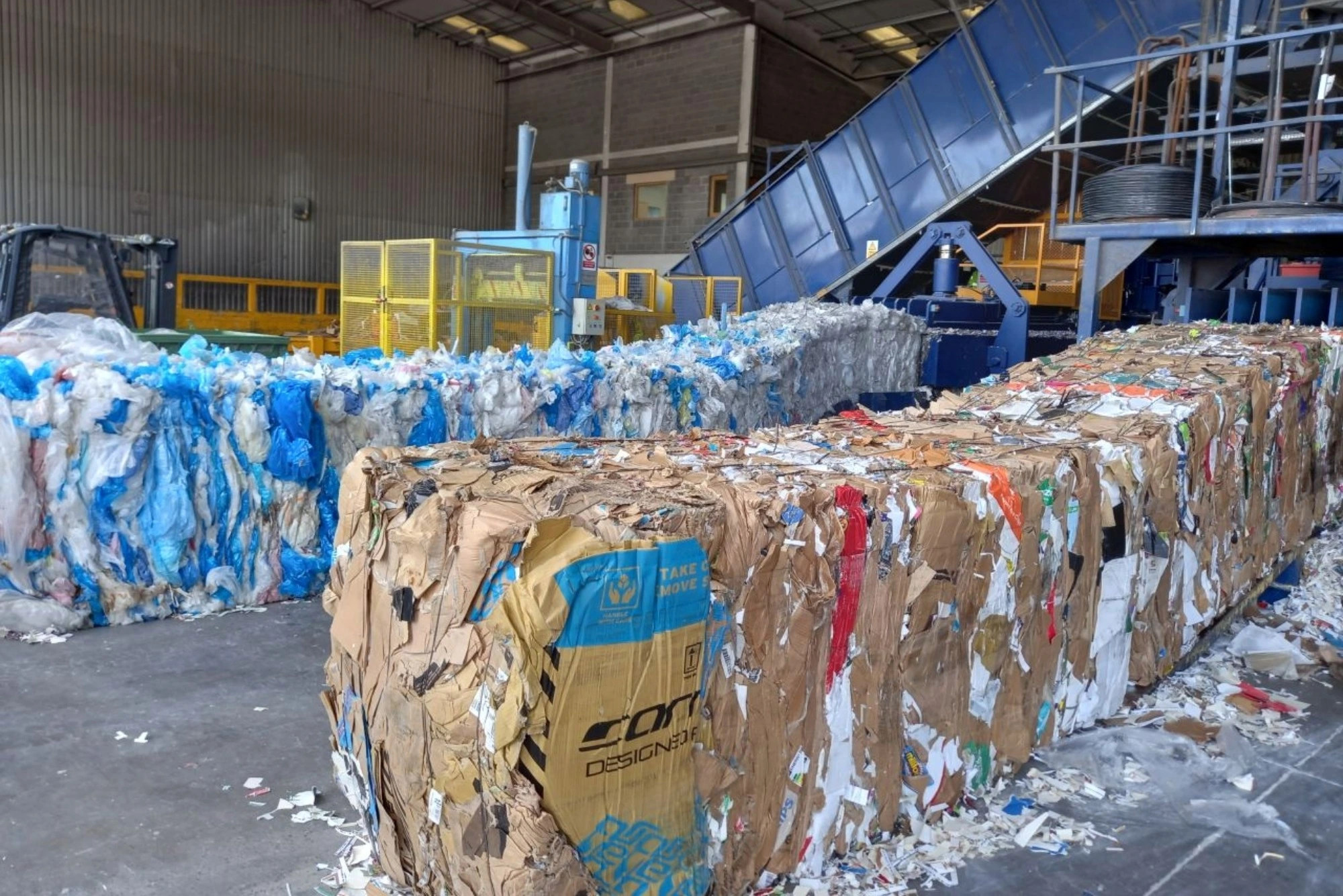
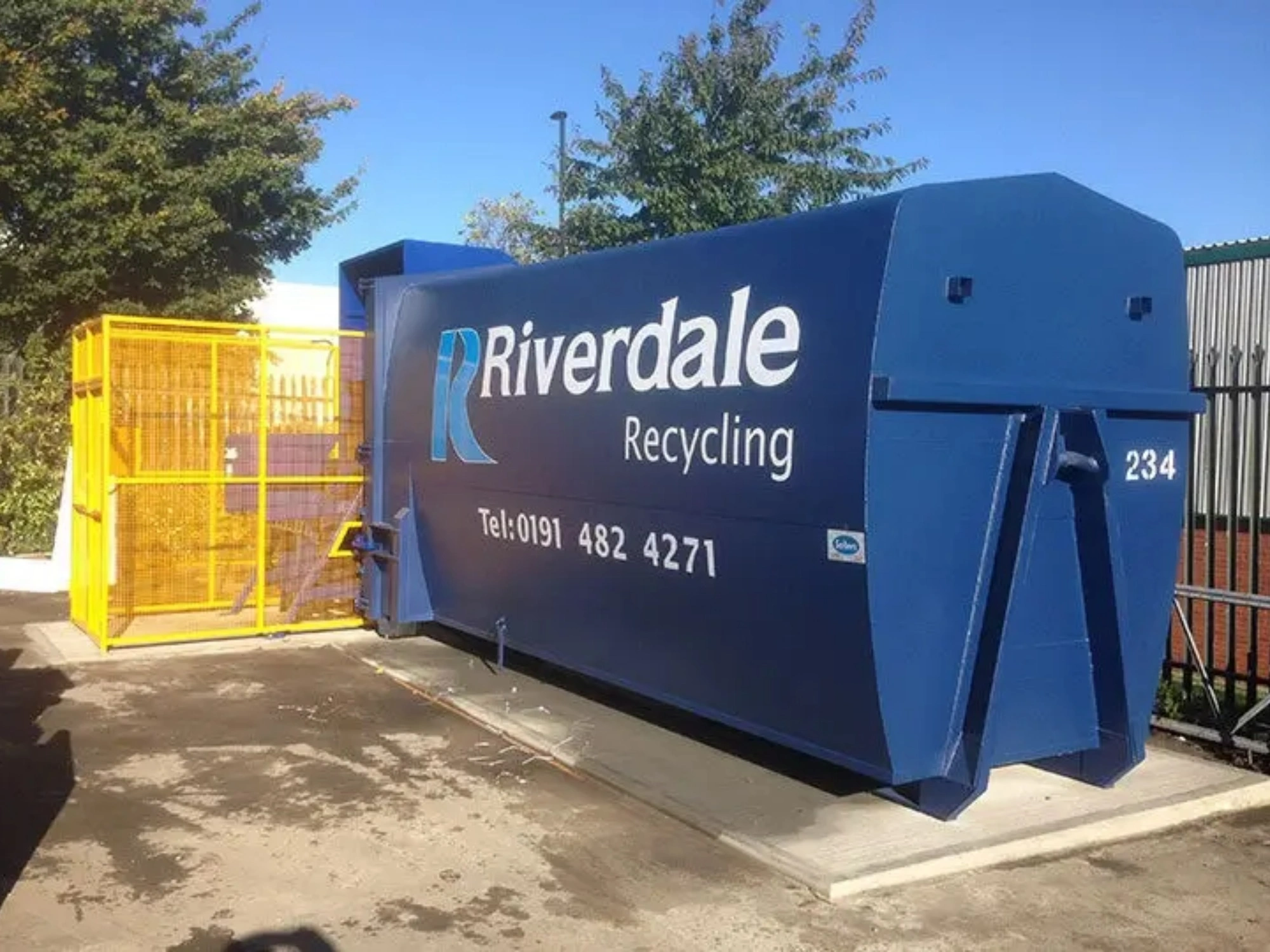
Depending on the volume of polythene generated, this may include dedicated bins, balers, or compaction equipment that keeps lightweight plastic films contained and ready for recycling collections.
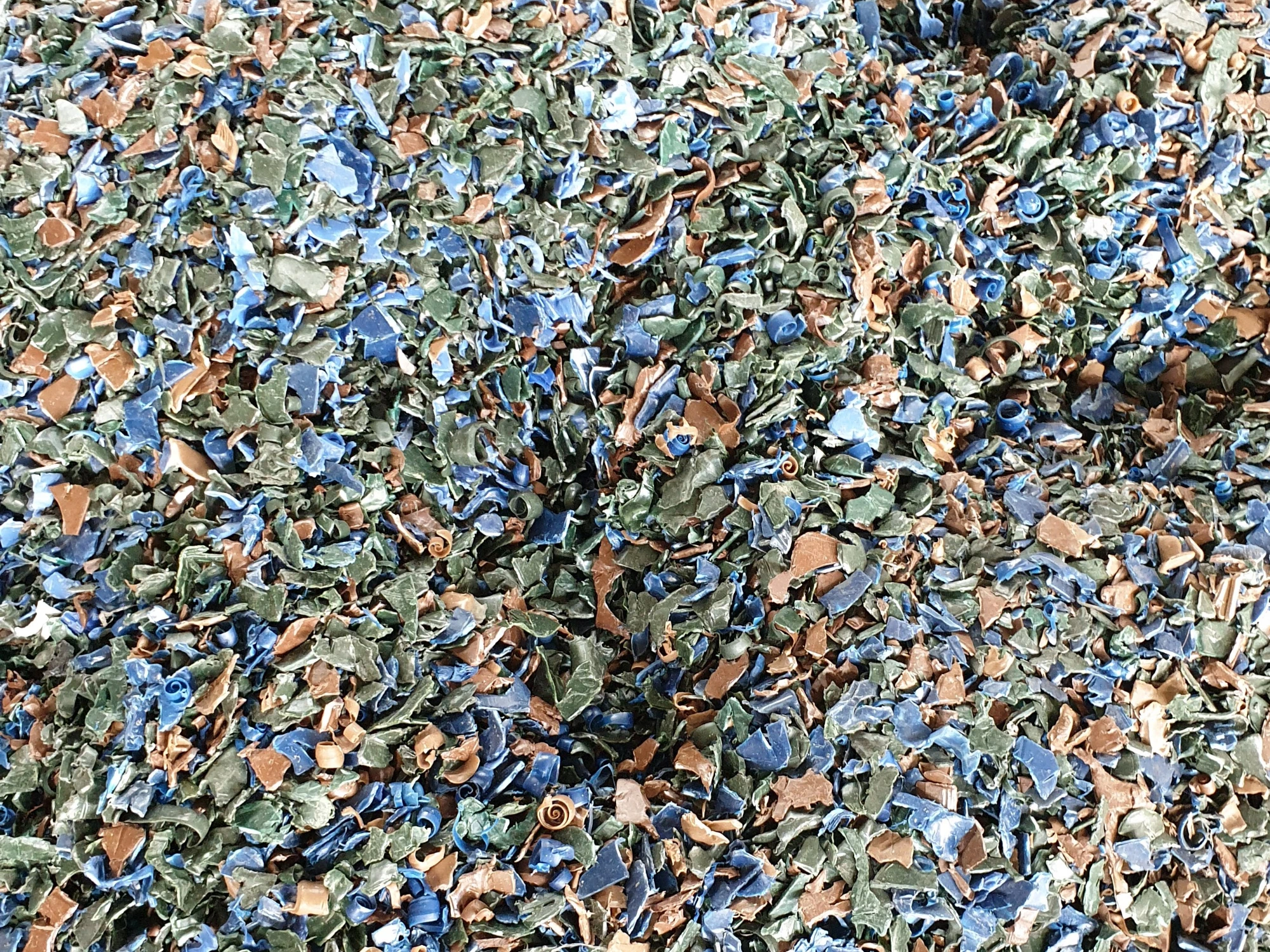
Once collected, the material is sorted and processed through specialist plastic recycling streams. Polythene films are cleaned, shredded, and reprocessed into recycled raw materials that can be used to manufacture new plastic products, helping businesses divert large volumes of packaging waste from landfill.
If your organisation handles large volumes of polythene packaging and needs support in streamlining recycling processes, get in touch today.
More from our blog


Serving UK businesses for over 40 years
We have built a legacy of expert waste management, driving innovation in sustainable recycling solutions.

Operating a Zero Waste to Landfill policy
We strive to eliminate landfill reliance through meticulous sorting, processing and innovative waste-to-energy services.

North East based, delivering nationwide services
We're a North East company with a national footprint, supporting businesses across the UK.

Expert knowledge with a personalised service
We tailor our waste management solutions to meet your unique business needs, offering ongoing support.
Let's explore your recycling options
We’ll help you develop a tailored waste management solution that meets your business goals and environmental objectives. We’re here to answer your questions and provide expert guidance.