
Paper
Plastics 25 Mar 2025
What are rigid plastics and how are they recycled?
As environmental awareness grows and concerns about plastic waste escalate, effective recycling of these rigid plastics has become paramount.
What are rigid plastics?
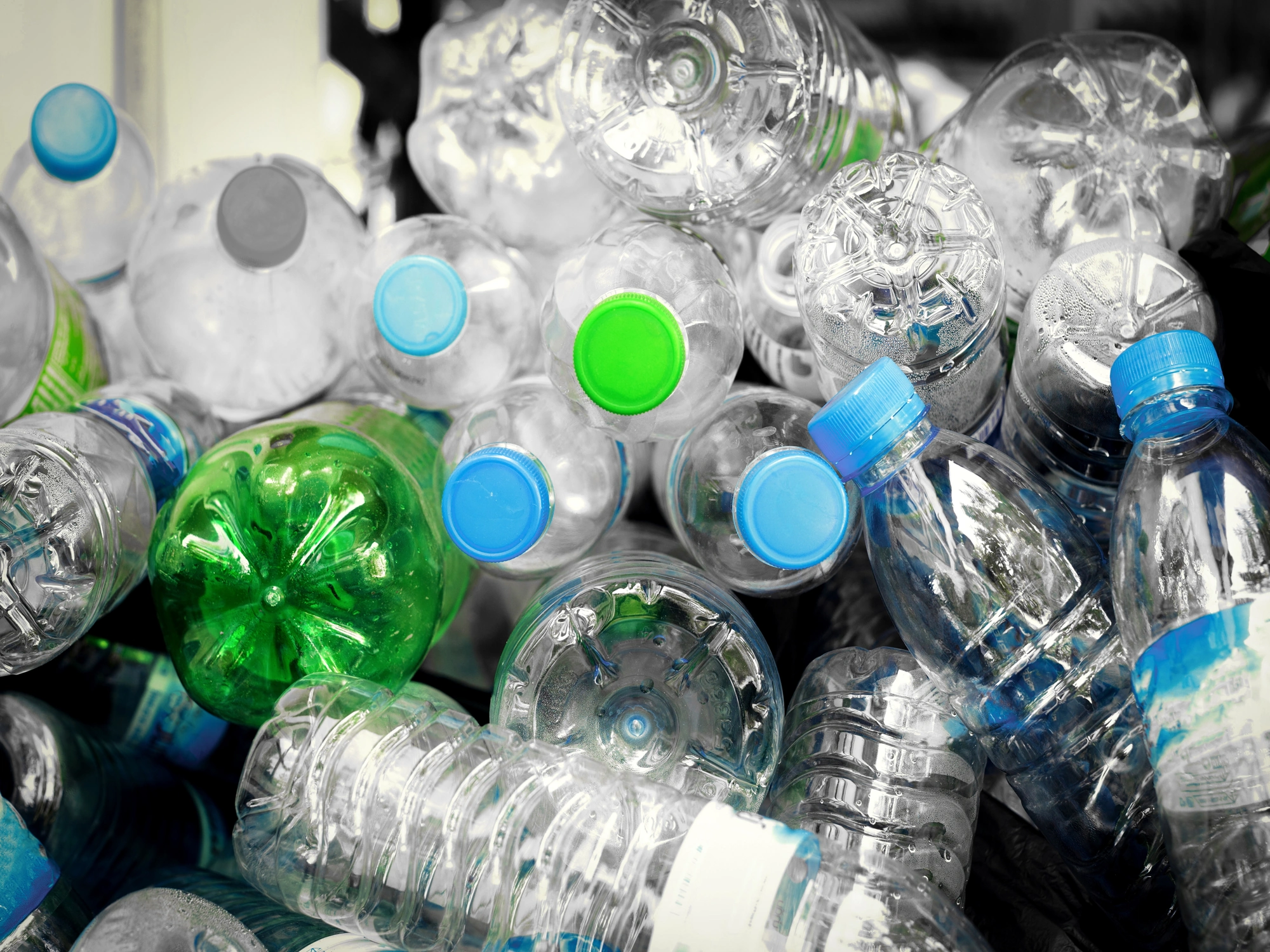
Rigid plastics, characterised by their strength and inability to bend or be easily forced out of shape, form a significant portion of packaging materials used by businesses across the UK. These materials, which include items like plastic bottles, containers, tubs, trays, and buckets, are prevalent in various industries, from food and beverage to manufacturing and logistics. The increasing focus on a circular economy, where materials are reused and recycled to minimise waste, underscores the need for businesses to understand and implement robust recycling strategies for rigid plastics.
The different types of rigid plastics
Understanding the landscape of rigid plastics begins with recognising the common types encountered in business operations:
- Polyethylene Terephthalate (PET or PETG), often used for beverage bottles and food containers, is favoured for its clarity and strength and is widely recycled
- High-Density Polyethylene (HDPE), found in milk jugs and industrial containers, is known for its durability and chemical resistance and also boasts high recyclability
- Polyvinyl Chloride (PVC or uPVC) is utilised in construction and some packaging, though its recycling process can be more intricate due to the presence of various additives
- Polypropylene (PP), valued for its resistance to heat and chemicals, is commonly used in food storage and medical packaging and is also recyclable
- Polystyrene (PS), used in protective cases and food service items, presents more challenges in terms of recyclability
- Acrylonitrile Butadiene Styrene (ABS), known for its impact resistance and used in electronics and automotive parts, can be recycled, although it may require specialised processes
- Polycarbonate (PC), appreciated for its transparency and impact resistance and used in safety equipment, is also a recyclable rigid plastic
96% of rigid plastic packaging in the UK is now considered recyclable at a quality level that supports higher-value recyclate.
Why are rigid plastics popular?
Rigid plastics have gained immense popularity across various industries due to a unique combination of beneficial properties. Their durability ensures that products are well-protected from impact and external elements, extending their lifespan and reducing damage during transportation and handling. This robustness is crucial for packaging fragile or high-value items, safeguarding them throughout the supply chain.
Furthermore, many rigid plastics, such as PET and HDPE, offer excellent recyclability, contributing to sustainability efforts and aligning with the growing emphasis on a circular economy. The ability to recycle these materials reduces the need for virgin resources and can lead to significant energy savings.
Another key advantage is their lightweight nature, which helps to lower transportation costs and reduce the overall carbon footprint associated with logistics. Despite being lightweight, rigid plastics often possess a high strength-to-weight ratio, making them suitable for demanding applications.
Finally, a significant benefit of many rigid plastics is their chemical resistance, making them ideal for packaging and storing a wide range of products, including those that may be corrosive or reactive. This combination of properties makes rigid plastics a versatile and valuable material for numerous business applications.
How rigid plastics are recycled
The journey of a rigid plastic item through the recycling system in the UK involves several key stages:
- It begins with collection and segregation, where businesses must separate their rigid plastic waste into designated bins. This segregated waste is then collected by licensed waste carriers and transported to specialised recycling facilities
- Upon arrival, the rigid plastics undergo sorting and identification, a crucial step that involves separating the plastics by their type. Different plastics have different chemical compositions and therefore require distinct recycling processes
- The plastics are thoroughly cleaned to remove any contaminants, including labels, adhesives, food remnants, and general dirt. The cleanliness of the plastic is vital for ensuring the quality of the recycled material
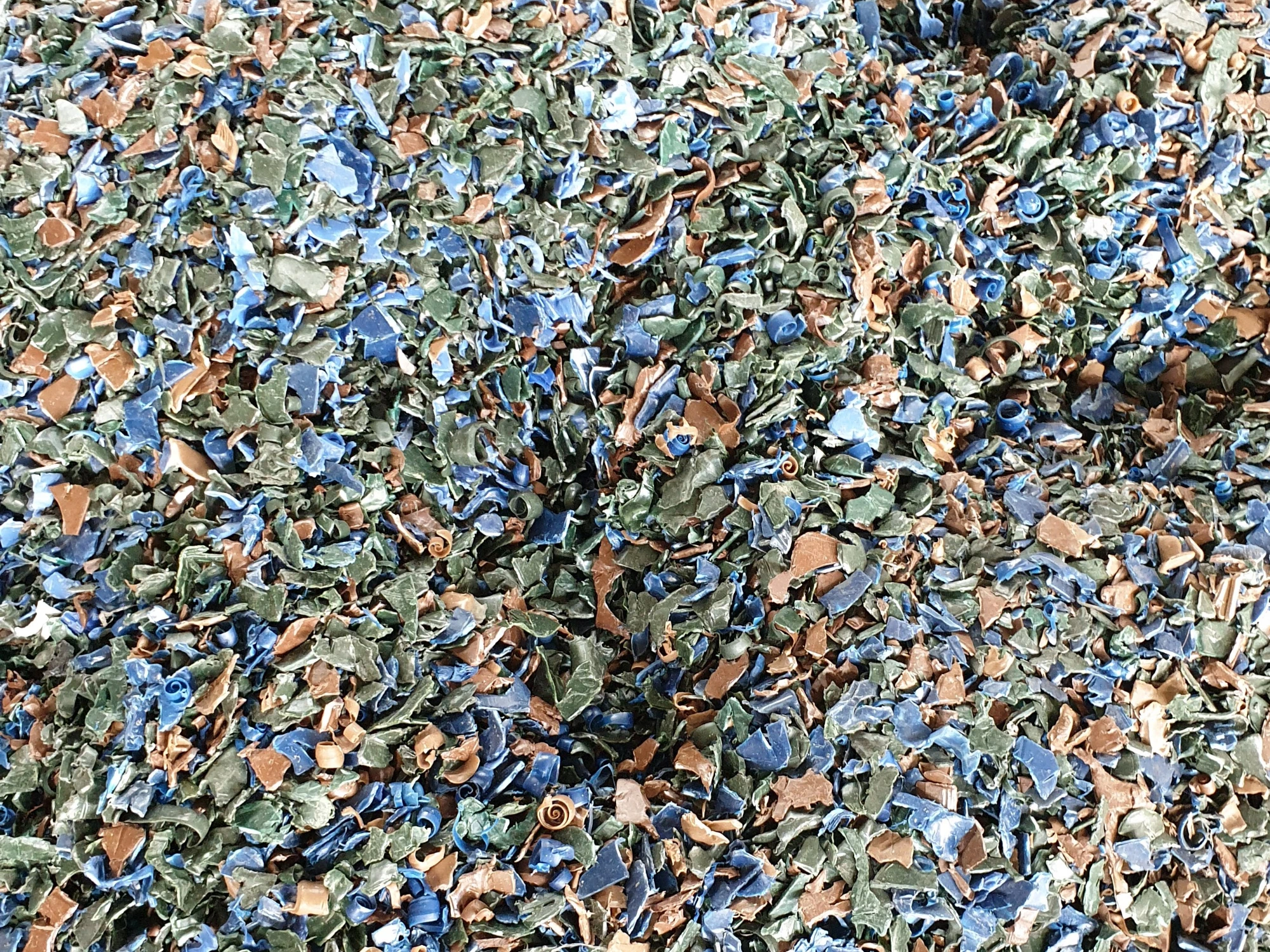
- The next stage is shredding, where the cleaned plastics are reduced into smaller flakes or pieces. This increases their surface area, making them easier to process further. Following shredding, the plastic flakes are melted down at controlled temperatures in a process called extrusion, which forms small pellets or granules, often referred to as nurdles
- These recycled plastic pellets serve as the raw material for manufacturing a wide array of new products, ranging from packaging and containers to furniture and construction materials
The effectiveness of this entire process hinges on the quality of the plastic waste at the initial collection stage, highlighting the important role businesses play in ensuring proper segregation and cleanliness.
Practical steps for businesses
Firstly, it is beneficial for businesses to conduct a site audit in order to get a clearer picture of the types and amounts of rigid plastics your business generates. You should also implement segregation systems for dry recyclables, including rigid plastics, and consider separate bins for high-volume plastics like PET or HDPE.
By partnering with licensed providers such as Riverdale Recycling, you can ensure proper handling and compliance. You should take the time to educate employees, providing regular training on recycling procedures and emphasising the importance of rinsing or cleaning plastic containers before disposal.
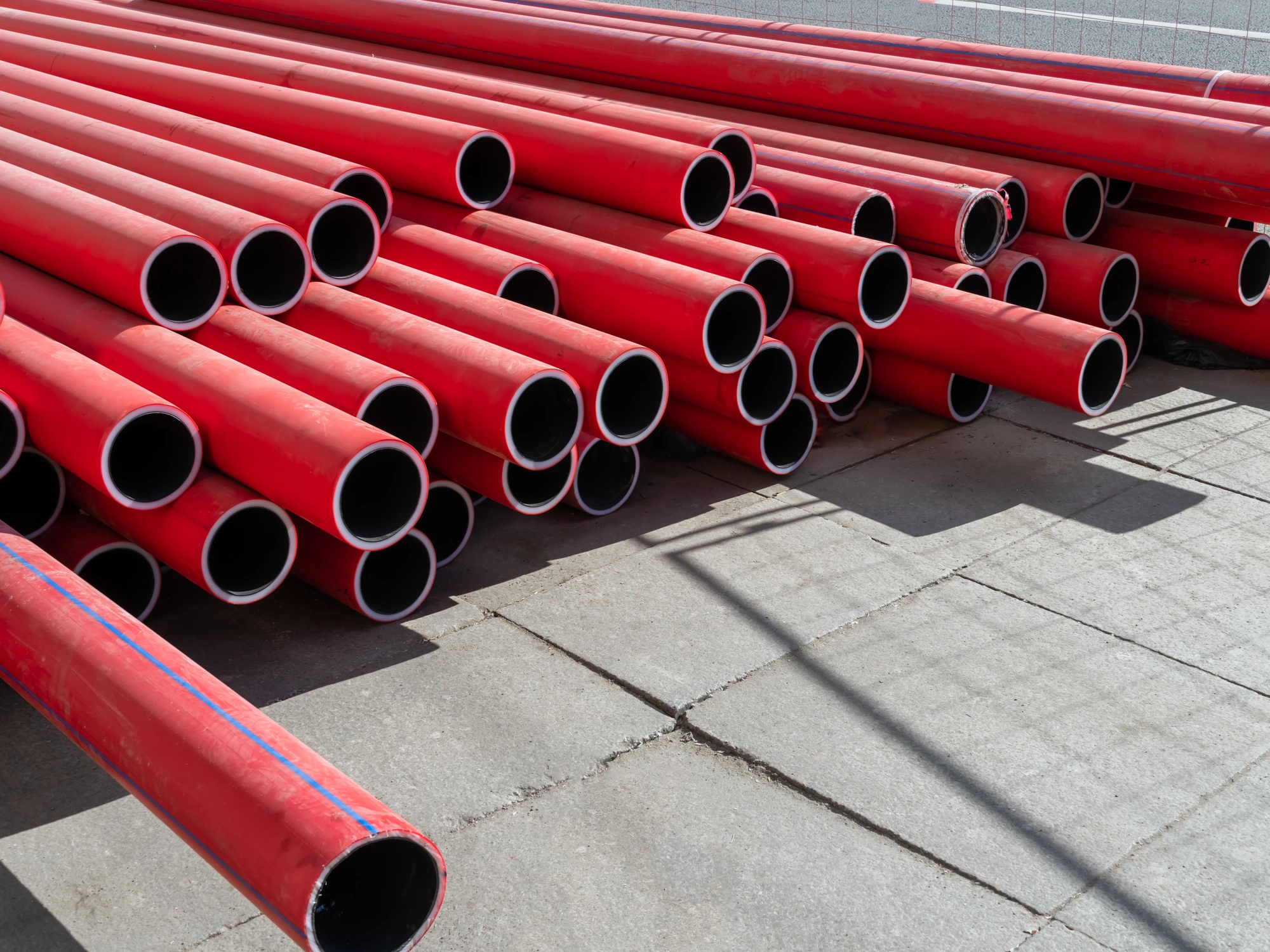
HDPE pipes
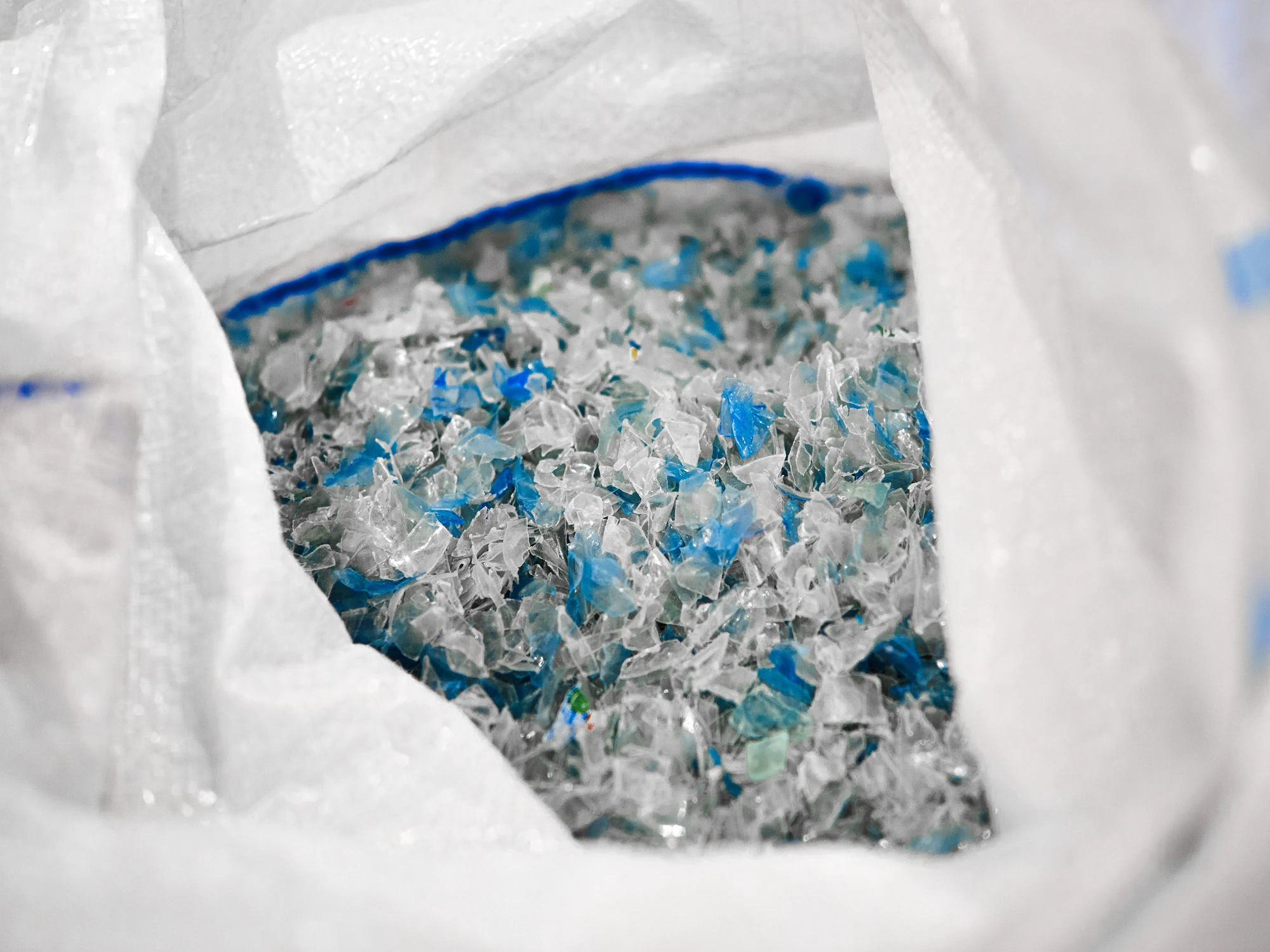
Processed plastic flakes
How we can support you
At Riverdale Recycling, our facility on the Team Valley in Gateshead is well-equipped to manage the recycling of a wide range of rigid plastics. Our process involves the careful sorting, separation, cleaning and grinding of collected rigid plastics. This transforms your plastic waste into high-quality secondary raw materials that can be used by the plastics industry to manufacture new products.
We handle various single-source polymers, including rigid HDPE, rigid PET, and compressed polystyrene (EPS). Furthermore, we can granulate plastics to meet specific customer requirements. Our commitment to a circular economy drives us to ensure that your plastic waste is recycled efficiently, reducing the reliance on primary raw materials.
We manage the entire recycling journey for your business, adhering to our Zero Waste to Landfill policy. To understand your specific needs and how we can best support your rigid plastic recycling efforts, we encourage you to get in touch and discuss a site audit with our team.
More from our blog


Serving UK businesses for over 40 years
We have built a legacy of expert waste management, driving innovation in sustainable recycling solutions.

Operating a Zero Waste to Landfill policy
We strive to eliminate landfill reliance through meticulous sorting, processing and innovative waste-to-energy services.

North East based, delivering nationwide services
We're a North East company with a national footprint, supporting businesses across the UK.

Expert knowledge with a personalised service
We tailor our waste management solutions to meet your unique business needs, offering ongoing support.
Let's explore your recycling options
We’ll help you develop a tailored waste management solution that meets your business goals and environmental objectives. We’re here to answer your questions and provide expert guidance.