
Paper

Plastics 23 Jan 2026
What are soft plastics?
This helpful guide explains the nature of soft plastic and outlines how we help businesses divert these materials from landfill and prepare them for genuine recycling outcomes.
Soft plastics are a significant and often overlooked component of commercial waste streams. While rigid plastics such as bottles and containers are widely recognised and recycled, flexible plastic materials are still frequently misunderstood and disposed of incorrectly.
For businesses, this can lead to avoidable contamination, higher disposal costs, and lost opportunities to recover valuable recyclable material. Understanding what soft plastics are, where they appear in the workplace, and how they can be recycled is a key step in building a compliant and economically sound waste management strategy.
This helpful guide explains the nature of soft plastic and outlines how we help businesses divert these materials from landfill and prepare them for genuine recycling outcomes.
Understanding soft plastics
Soft plastics are flexible plastic materials that can be bent, scrunched, or stretched without breaking or holding a fixed shape. Common examples we encounter on a daily basis might include carrier bags, food pouches, cling film, and gift wrap.
They differ from rigid plastics in both physical behaviour and chemical composition, which has implications for how they must be handled and processed once they enter the waste stream.
Most soft plastic is produced from polyethylene and polypropylene polymers, particularly low-density polyethylene (LDPE) and polypropylene (PP). These materials are valued for their flexibility, durability, moisture resistance, and low weight, making them ideal for protective packaging and wrapping.
However, these same properties can present challenges when it comes to recycling.
In commercial settings, soft plastics are rarely single-purpose or single-layer materials. Instead, they are often engineered to deliver multiple performance benefits, such as improved barrier protection, tear resistance, or extended shelf life. This complexity plays a key role in why soft plastics require specialist recycling solutions.
Where you’ll find soft plastics in the workplace
Soft plastics are widely used across UK businesses, often as an integral part of day-to-day operations. Because these materials are lightweight and flexible, they are frequently overlooked within waste streams, despite being generated in significant volumes. Here are some of the types of workplaces where you might find soft plastics.
Logistics and distribution
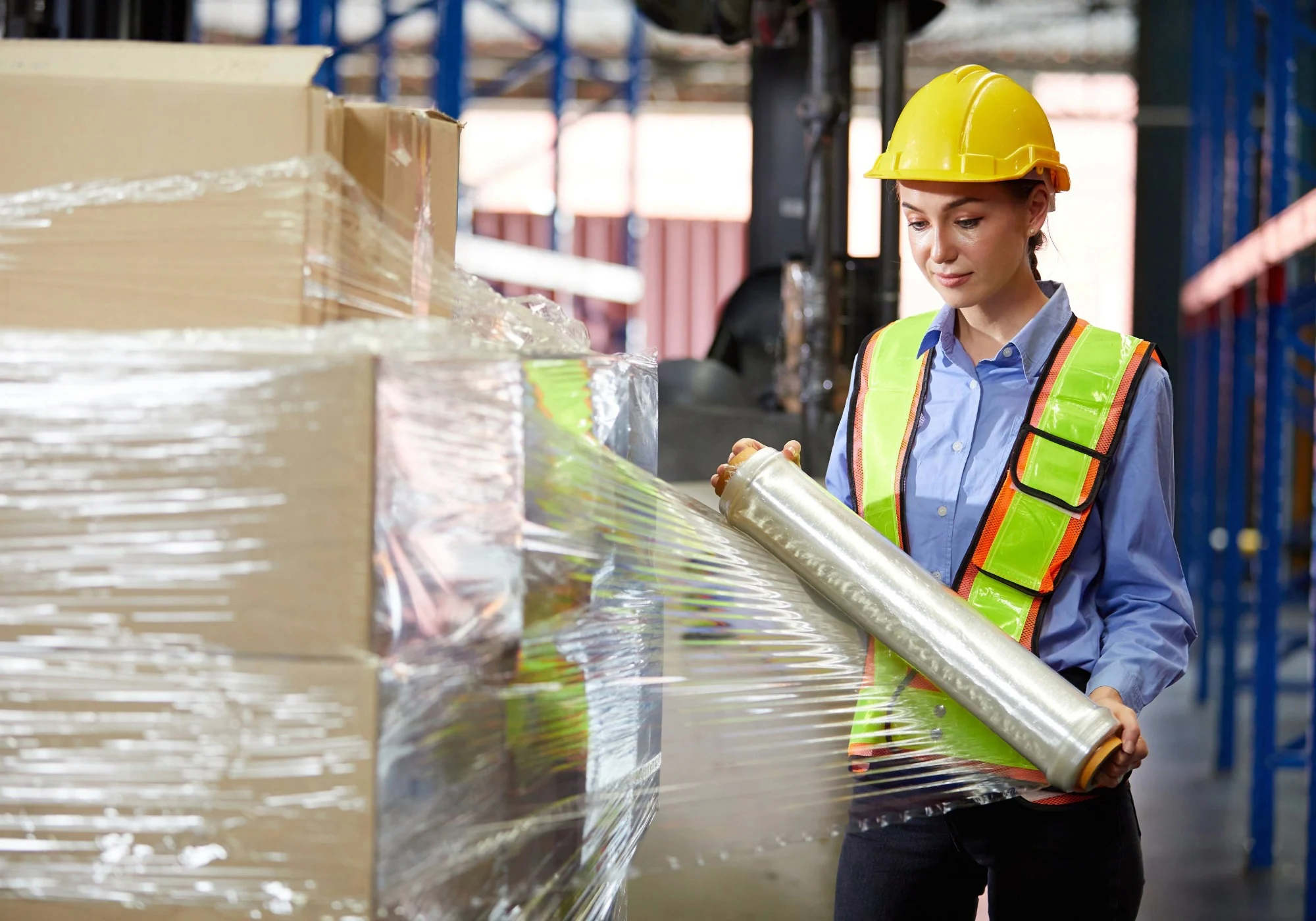
Here, soft plastic plays a crucial role in protecting goods during storage and transit. Pallet wrap and stretch film are used extensively to prevent damage and reduce product loss across supply chains. These materials are typically single-use and can accumulate quickly in high-throughput warehouse settings.
Retail and e-commerce
These businesses rely heavily on soft plastics to move products efficiently from warehouse to customer. Mailing bags, carrier bags, and protective wraps are commonplace, particularly in fulfilment and returns operations. With increasing order volumes, these plastics form a growing part of commercial waste outputs.
Manufacturing
Manufacturing sites generate substantial quantities of soft plastics through the use of shrink wrap and protective films. These materials are used to safeguard machinery parts and finished products during handling and transport. As production volumes increase, so too does the volume of flexible plastic packaging waste.
Food and beverage
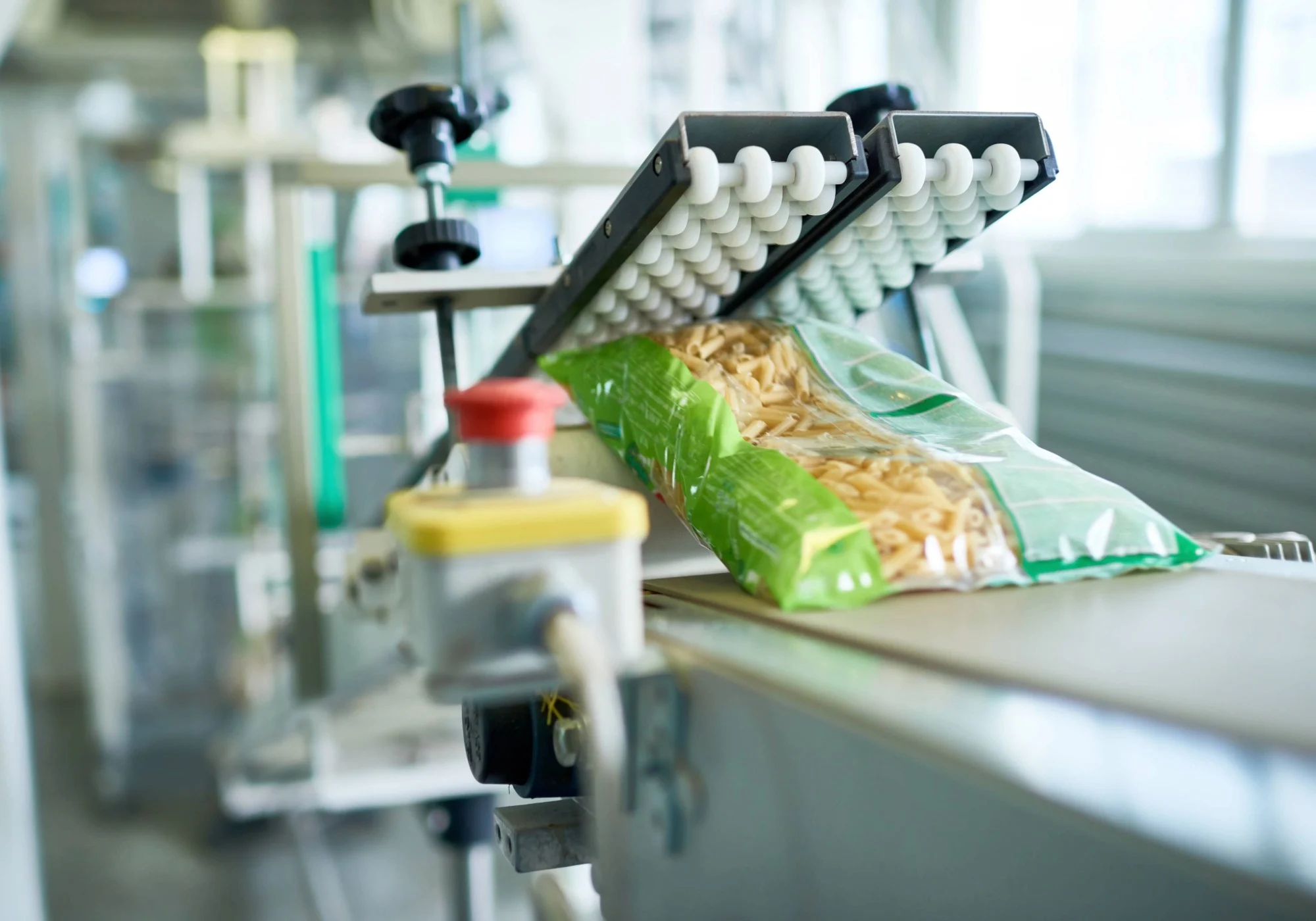
Soft plastic is widely used here in secondary and tertiary packaging. Liners, wrapping films, and flexible pouches help maintain hygiene standards and protect products throughout processing and distribution. However, contact with food residues can increase contamination risk if these materials are not correctly segregated.
Agriculture and horticulture
Agriculture and horticulture introduce another stream of soft plastics through crop protection films, plant coverings and storage materials. These flexible plastics are essential for growing and protecting produce but can be challenging to manage once they reach the end of their useful life.
The material complexity of soft plastic
From a recycling perspective, soft plastic is rarely straightforward. While they are predominantly made from LDPE and PP, many flexible packaging products consist of multiple polymer layers bonded together. These layers may include different types of polyethylene, polypropylene, nylon, or other barrier materials.
This layered construction improves packaging performance but complicates recycling. Each polymer has a different melting point and processing requirement, meaning mixed or bonded materials cannot always be recycled through conventional mechanical processes without careful sorting and preparation.
In addition to polymer complexity, soft plastics often carry adhesives, inks, labels or residues that further affect recyclability. Moisture content is also a critical factor, as damp films can degrade bale quality and reduce downstream processing efficiency.
These factors explain why soft plastics cannot simply be treated in the same way as rigid plastic packaging. Without appropriate handling, they can cause blockages in machinery, contaminate other recyclables and reduce overall recovery rates.
The cost of failing to divert soft plastics
When soft plastics are not correctly separated, the consequences extend beyond environmental impact. One of the most significant issues is contamination. Soft plastics mixed into paper or cardboard streams can render entire loads unsuitable for recycling, leading to rejection by reprocessors and increased disposal costs.
Similarly, food-contaminated films or moisture-laden plastics can compromise the quality of plastic bales, reducing their market value or preventing them from being recycled at all. For businesses, this results in higher waste management costs and reduced recycling rebates.
There’s also a broader economic impact. When recyclable soft plastic is disposed of via landfill or energy-from-waste routes, the material value embedded in those polymers is permanently lost. This undermines circular economy objectives and increases reliance on virgin plastic production.
By contrast, well-segregated soft plastics that are processed correctly can form a valuable feedstock for recycling markets, contributing to more stable pricing and improved sustainability performance.
Our approach to soft plastics recycling
We work with businesses to address the challenges associated with soft plastic through a structured, quality-focused approach. The process begins with understanding how and where soft plastics are generated on site.
Waste audits and operational reviews help identify opportunities for improved segregation and reduced contamination at source.
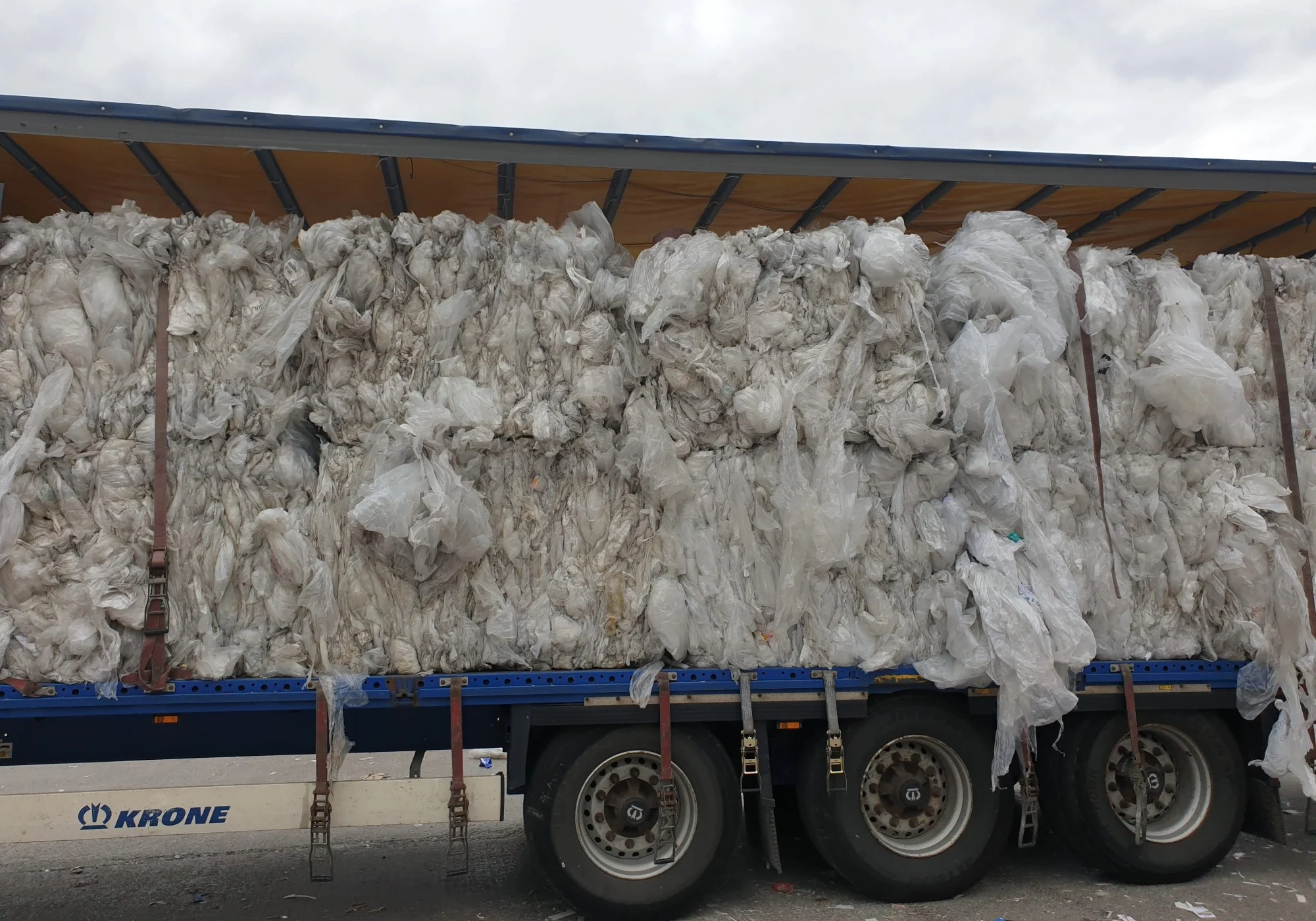
Once collected, soft plastics are aggregated separately from other waste streams. This separation is critical, as it prevents cross-contamination and allows materials to be processed according to specific characteristics. At our facilities, plastics are sorted to remove non-target materials and to improve polymer consistency wherever possible.
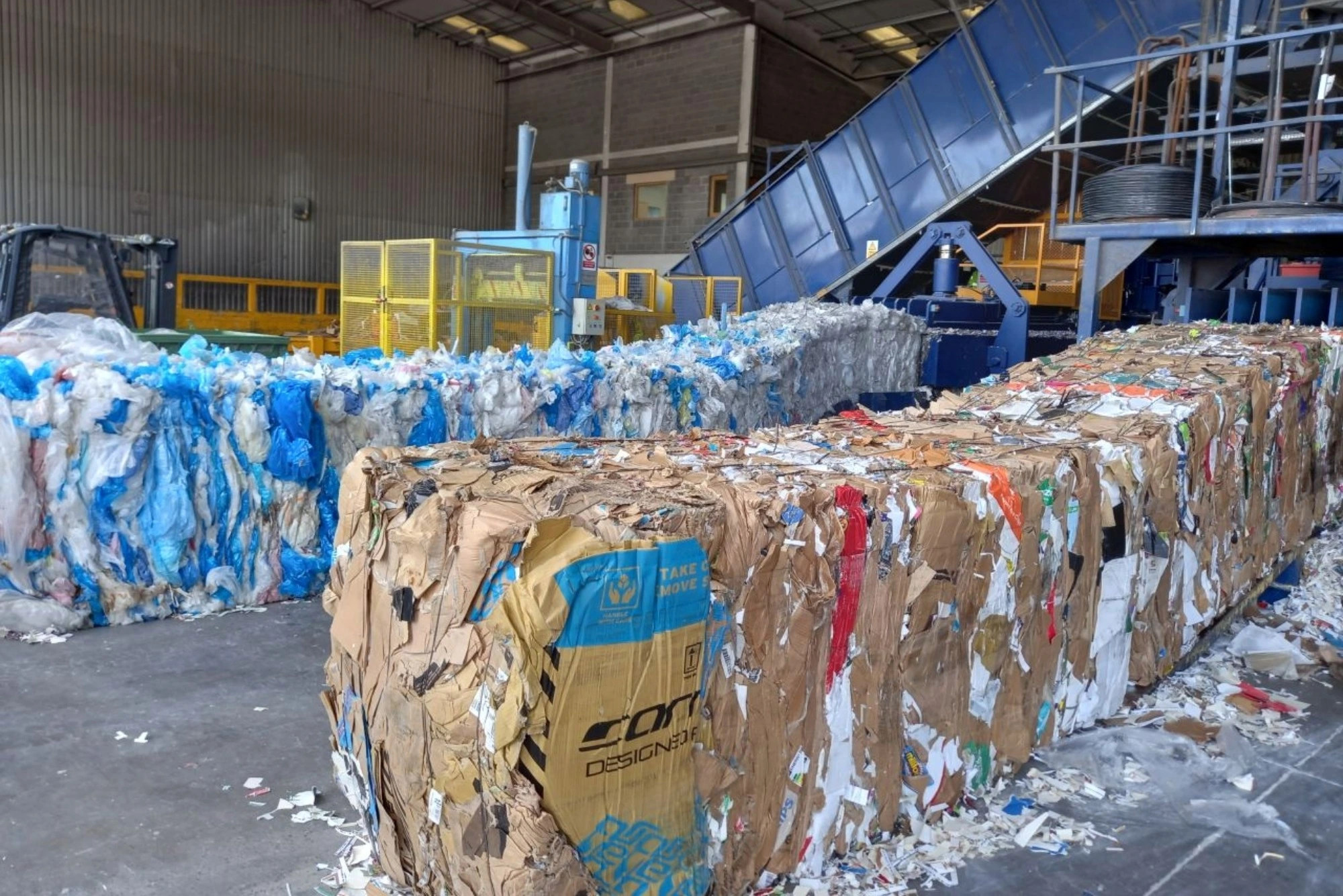
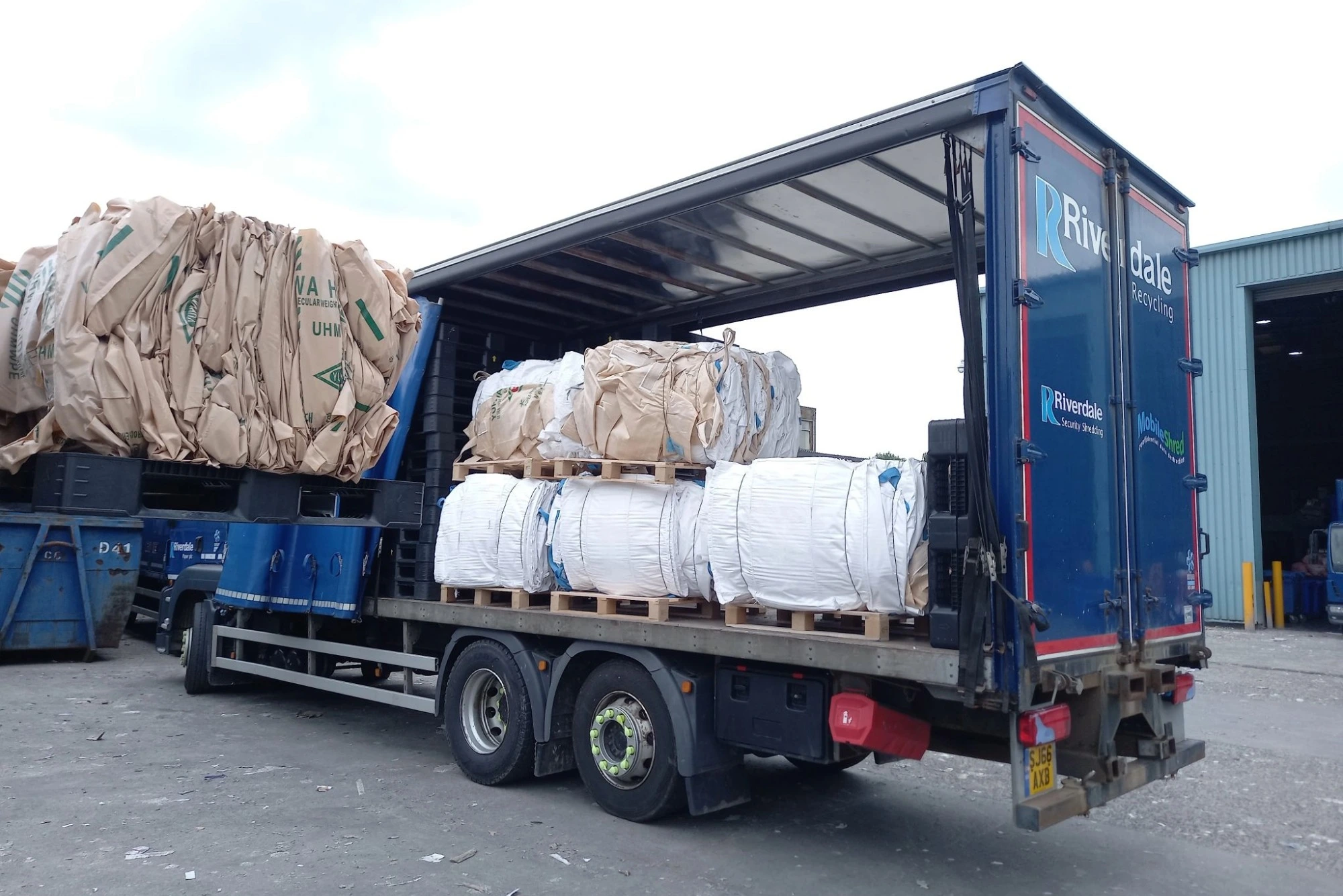
Moisture control is a key focus throughout this process. Soft plastic is baled under controlled conditions to reduce excess moisture and preserve material quality. Dense, well-formed bales are easier to transport and provide a more consistent input for downstream recycling operations.
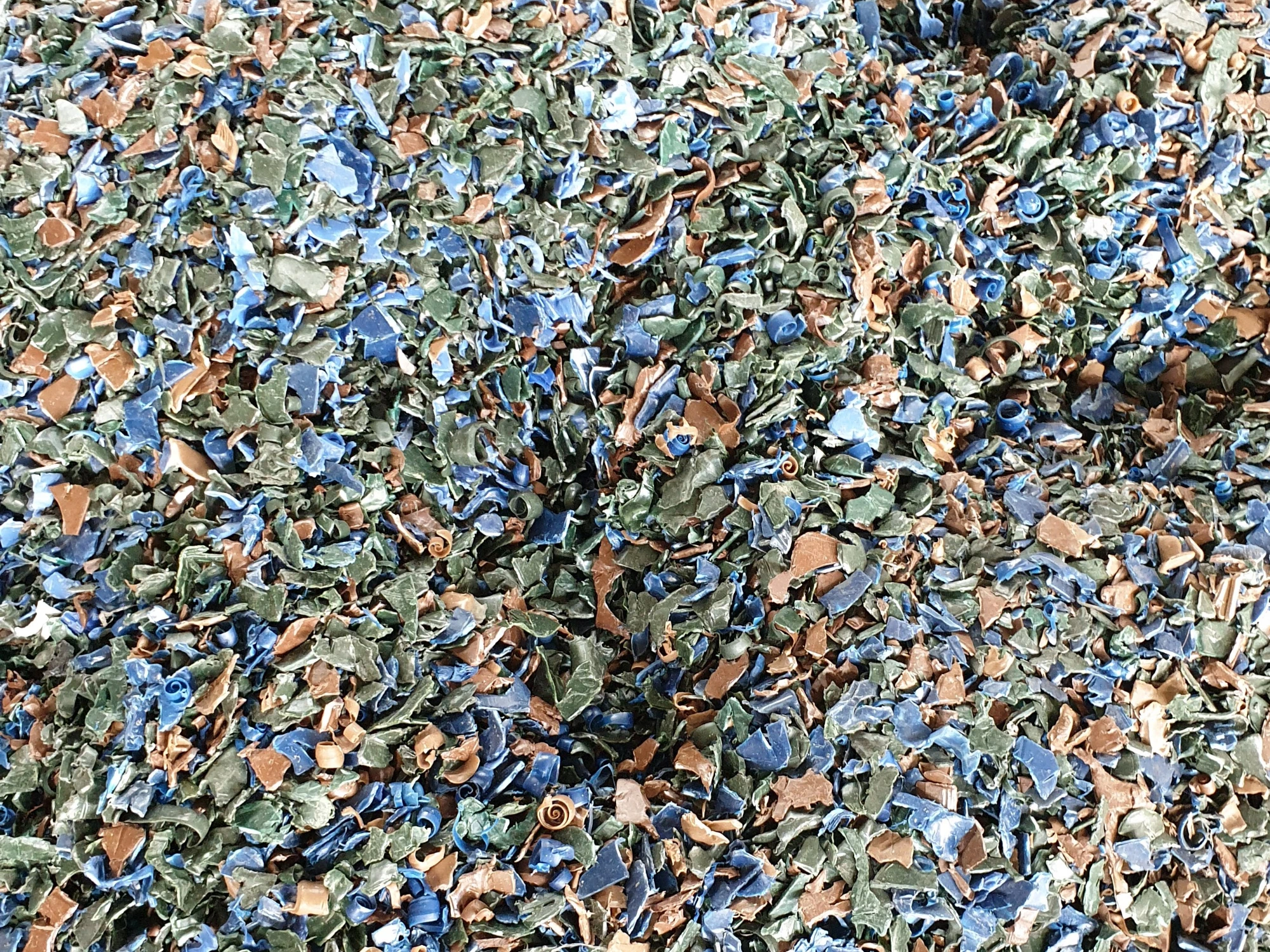
These high-purity, moisture-controlled bales are suitable for mechanical recycling, where LDPE and PP films can be washed, shredded, and reprocessed into recycled LDPE (rLDPE) pellets. These pellets are then used in the manufacture of new plastic products, including films and industrial applications, closing the material loop.
Improving soft plastics recycling in your business
Start with segregation at source
Improving the recycling of soft plastics begins at the point where waste is generated. Clear identification of soft plastic materials within everyday operations allows businesses to separate these items before they become mixed with other waste streams.
Pallet wrap, shrink film, mailing bags, and liners are often discarded without consideration, yet simple changes in handling can make a measurable difference. When soft plastic is captured cleanly at source, contamination is reduced and material quality is preserved.
Build understanding through staff engagement
Staff engagement plays a central role in achieving effective soft plastics recycling. Employees who understand which materials are classed as soft plastics, and why correct segregation matters, are more likely to dispose of waste appropriately.
Training should be practical and consistent, reinforced through clear guidance and real-world examples that reflect how waste is generated across different roles and departments.
Maintain consistency across the site
Consistency across sites and departments is equally important. Dedicated containers for soft plastics, supported by clear and durable signage, help reduce confusion and prevent materials from entering the wrong waste stream.
Regular monitoring of waste outputs allows businesses to identify issues early, maintain standards over time, and reduce the risk of contamination that can undermine recycling performance.
Work with an experienced partner
Partnering with an experienced team strengthens on-site efforts and ensures materials are handled correctly once collected. A specialist partner can carry out site assessments, provide tailored collection solutions and offer guidance on best practice, while ensuring compliance with evolving waste regulations.
This end-to-end approach gives businesses confidence that their soft plastics are being managed responsibly and recycled effectively, delivering both environmental and commercial value.
Ready to work with Riverdale Recycling?
Soft plastic presents challenges, but they also offer substantial opportunities. When managed correctly, these materials can be diverted from disposal, transformed into valuable recycled products and integrated into circular supply chains.
Riverdale Recycling supports businesses at every stage of this process. From site assessments and tailored collection solutions to high-quality aggregation and preparation for recycling, our approach is designed to maximise material value while minimising environmental impact.
By working with Riverdale, businesses gain a reliable partner with the expertise and infrastructure required to handle soft plastics effectively. Contact our team to find out how we can help you improve your soft plastics recycling performance and unlock greater value from your waste streams.
More from our blog


Serving UK businesses for over 40 years
We have built a legacy of expert waste management, driving innovation in sustainable recycling solutions.

Operating a Zero Waste to Landfill policy
We strive to eliminate landfill reliance through meticulous sorting, processing and innovative waste-to-energy services.

North East based, delivering nationwide services
We're a North East company with a national footprint, supporting businesses across the UK.

Expert knowledge with a personalised service
We tailor our waste management solutions to meet your unique business needs, offering ongoing support.
Let's explore your recycling options
We’ll help you develop a tailored waste management solution that meets your business goals and environmental objectives. We’re here to answer your questions and provide expert guidance.