
Paper
Plastics 23 Mar 2026
A commercial guide to types of polymers and recycling value
Explore the most common types of polymers used in commercial settings, the risks of mixing different types, and how resin identification codes can simplify sorting.

When it comes to commercial recycling, not all plastics are treated equally.
Different types of polymers have unique properties that affect how it can be processed and reused. When different plastics are mixed without proper identification, contamination can occur, reducing the quality and value of the recycled material.
In this blog post, we’ll explore the most common types of polymers used in commercial settings, highlight the risks of mixing different types, explain how resin identification codes can simplify sorting, and share practical strategies for keeping plastics separated effectively.
Common commercial polymers and where they are found
Businesses encounter a wide variety of plastics; each designed for specific applications.
Knowing what these plastics are, and where they are typically used, helps organisations plan effective segregation and recycling strategies.
Below, we break down the most frequently encountered polymers in commercial operations and their typical uses.
LDPE (low-density polyethylene)
LDPE is a lightweight, flexible plastic commonly used in packaging that needs to stretch or conform to a product’s shape.
In commercial settings, it is typically used for:
- Stretch film for pallets and shipping
- Protective packaging for equipment and electronics
- Carrier bags and flexible packaging for retail
HDPE (high-density polyethylene)
HDPE is a rigid, durable plastic commonly used for items that need to withstand heavy loads and rough handling.
Typical uses in commercial environments include:
- Bulk containers for chemicals or liquids
- Crates for food and beverage transport
- Drums for industrial materials
- Durable outdoor bins or storage solutions
PP (polypropylene)
PP is a strong, versatile plastic with excellent resilience and chemical resistance, making it ideal for industrial applications that require structural support and repeated use
In business operations, it’s often used for:
- Pallet and bundle strapping
- Storage tubs and bins
- Automotive components
- Heat-resistant food packaging
PET (polyethylene terephthalate)
PET is a clear, lightweight plastic known for its strength and transparency, making it ideal for consumer packaging that protects contents while remaining visually appealing.
Common commercial applications include:
- Bottles for water, soft drinks, and juices
- Food containers and trays
- Packaging for personal care products
Why mixing polymer types reduces quality and value
Different polymers are engineered with distinct melting points, densities, and chemical structures. When these materials are mixed, they cannot be reprocessed into a consistent, high-quality recycled product.
Instead of forming a uniform material, incompatible plastics separate or weaken, resulting in recyclate that is brittle, discoloured, or structurally unreliable. This loss of material integrity significantly reduces its usefulness.
High-quality, single-polymer recyclate can be used in demanding applications and commands stronger market value. Mixed polymer waste, however, is often downgraded to lower value uses or rejected entirely, as manufacturers cannot rely on its performance or consistency.
Even small amounts of contamination can compromise an entire batch, limiting its recyclability and reducing its commercial appeal.
By keeping polymer types separate, businesses preserve material quality and maintain the highest possible value from their recycling streams.

How resin identification codes simplify sorting
Resin identification codes (RICs) provide a simple, standardised way to identify and separate different types of polymers.
Commonly recognised as the numbers inside the recycling triangle, they classify materials such as #1 PET, #2 HDPE, #4 LDPE, and #5 PP.
As each code corresponds to a specific polymer with consistent chemical and mechanical properties, RICs create a shared language across the entire recycling chain.
From on-site waste handling to collection and reprocessing, these codes make it easier to sort plastics accurately and maintain clean, single-polymer streams.
Sorting by RIC at the source delivers clear operational and commercial benefits. It reduces contamination, preserves material quality, and ensures recyclate remains suitable for higher-value applications. It also improves efficiency for recycling partners, lowering the labour and cost required to process materials.
RICs can be embedded into everyday operations across a wide range of commercial environments. For example:
- In a warehouse handling HDPE crates (#2) and LDPE film (#4), separate collection points clearly labelled with the relevant RIC numbers make it easy for employees to sort materials correctly at the point of disposal.
- Bottling plants can preserve material value by separating PET bottles (#1) from PP caps (#5), ensuring each polymer remains suitable for high-quality recycling.
- Manufacturing facilities that use PP strapping (#5) around pallets can introduce dedicated collection points for that material, preventing it from contaminating other plastic streams and protecting overall recyclate quality.
Other practices for internal segregation
While resin identification codes provide the foundation for accurate sorting, they need to be combined with other practical measures to achieve effective internal segregation. These include:
Structured collection points
Segregation works best when collection points are deliberately planned and easy to use. Providing clearly designated containers for each polymer type helps maintain clean material streams and reduces the risk of cross-contamination.
Positioning these stations close to where waste is generated makes correct disposal the most convenient option.
Containers should be appropriately sized for expected volumes, and using enclosed bins can help protect materials from accidental mixing, dust, or moisture that could affect recyclability.
Employee awareness and consistency
Well-designed systems rely on consistent use. Ensuring employees understand why segregation matters, and how their actions affect recyclability and value, helps build reliable habits.
Simple measures such as brief onboarding guidance, visual signage, and periodic refreshers can reinforce correct practices. When employees recognise that their role directly contributes to operational efficiency and sustainability outcomes, adherence tends to improve naturally.
Routine oversight and alignment with operations
Maintaining segregation standards requires periodic review. Checking collection areas, monitoring waste quality, and identifying recurring contamination points allows issues to be addressed before they affect larger volumes.
Integrating segregation into existing workflows is equally important. When storage, handling, and disposal processes align with normal operational routines, segregation becomes a seamless part of daily activity rather than an additional task.
Collaborating with recycling specialists
Recycling partners, like ourselves, can provide practical insight into how materials should be separated, stored, and prepared for collection.
Guidance helps ensure internal processes align with downstream requirements, improving both efficiency and material outcomes.
Collaboration also helps businesses optimise storage arrangements, manage volumes effectively, and ensure materials retain their highest possible recycling value while supporting wider environmental and compliance objectives.
Commercial and strategic benefits of effective polymer segregation
Beyond improving recyclability, effective polymer segregation has a wide range of commercial and strategic benefits. These include:
Strengthening resource efficiency
Recovering plastics as usable secondary raw materials allows businesses to extract maximum utility from materials they have already purchased, extending their economic contribution beyond a single use cycle.
Instead of being absorbed purely as a disposal cost, plastic materials can re-enter productive use, reducing dependency on newly sourced inputs and improving overall material productivity across the organisation.
Over time, this approach supports more disciplined material planning and helps align operational consumption with long-term resource objectives.
Supporting sustainability targets and corporate reporting
Many organisations now track recycling performance as part of environmental reporting, ESG commitments, or internal sustainability goals.
With stakeholder expectations around data accuracy increasing, clearly defined polymer streams provide the foundation for reliable measurement and documentation, enabling organisations to produce robust, defensible data instead of broad estimates.
This strengthens credibility with investors, clients, and regulatory bodies, while also supporting more informed internal decision-making around resource use and environmental strategy.
Improving predictability and control over waste management
Structured polymer segregation creates clearer visibility over material flows, allowing businesses to understand exactly what is being generated, where, and in what quantities.
This level of clarity supports more accurate forecasting, better space allocation, and more informed scheduling decisions.
Over time, defined waste streams make it easier to identify anomalies and maintain tighter oversight of site processes without introducing unnecessary complexity.
Enabling higher-quality recycling outcomes
Consistent segregation also creates the conditions for more technically reliable reprocessing and end-use applications.
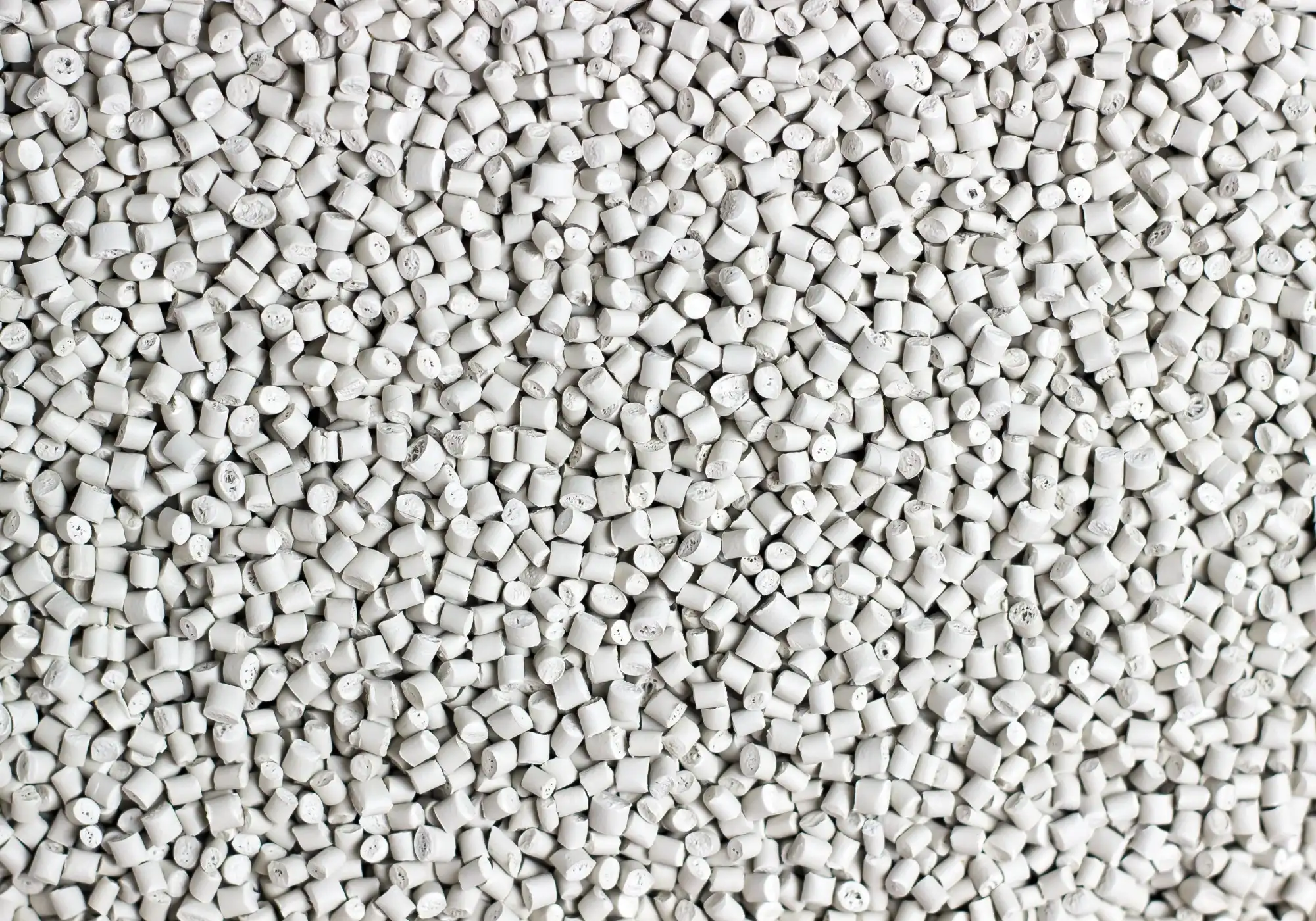
For example, when stretch film is consistently separated at a distribution centre, it can be converted into recycled pellets with properties suitable for controlled manufacturing environments.
This consistency enables manufacturers to incorporate recycled content into production runs with greater confidence, supporting specification requirements and reducing the need for performance compromises in finished products.
Improving audit readiness and compliance resilience
Regulatory inspections and environmental audits, such as those conducted by the Environment Agency or equivalent local authorities, increasingly demand clear, verifiable documentation of waste management practices.
Implementing polymer-specific segregation systems establishes traceable processes that demonstrate proactive control rather than reactive compliance.
With defined streams and documented handling procedures in place, businesses reduce the risk of non-compliance, avoid potential enforcement actions or fines, and protect their reputation during external reviews, while also providing a clear record to support internal accountability.
Supporting innovation and closed-loop partnerships
Clear and consistent polymer segregation can unlock opportunities for strategic collaboration across the supply chain.
When single-material streams are reliably produced, businesses can engage directly with manufacturers or specialised recyclers to develop tailored solutions for specific industrial applications.
How Riverdale supports efficient polymer recycling
Our plastic recycling services are designed to support businesses at every stage, from initial assessment through to processing and reuse, helping you manage polymer waste efficiently and responsibly.
The process begins with a detailed site audit. We assess your existing waste streams, storage arrangements, and material volumes to design a solution tailored to your operation. Whether you handle rigid plastics or multiple types of polymers, this approach helps reduce contamination and improve segregation.
Our facilities are equipped to process a wide range of plastics, including HDPE, PET, poly film, and polystyrene. Each material is carefully sorted, cleaned, and prepared for reprocessing, ensuring it can be used as a reliable raw material in new products. This not only diverts waste from landfill but also supports the wider circular economy.
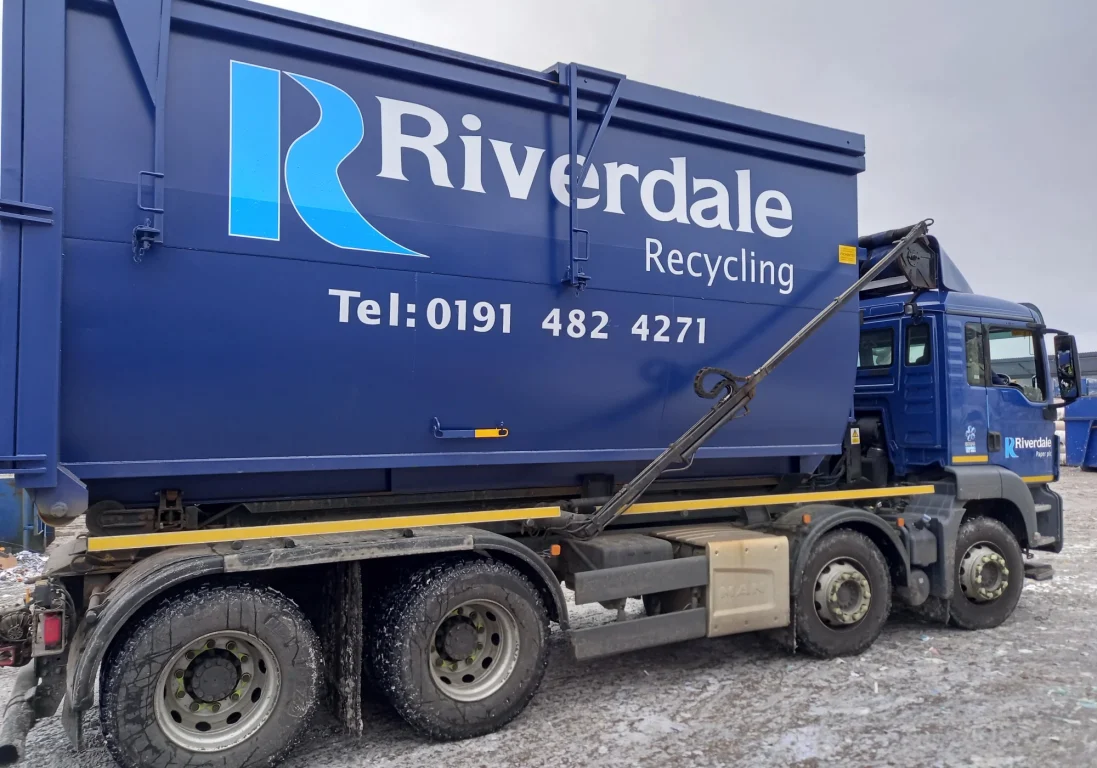
To support efficient on-site handling, we provide container options suited to different environments and volumes. From smaller bins to high-capacity roll-on-off containers and compactors, the right infrastructure makes it easier to maintain clean, separate polymer streams and streamline collection.
Our support also helps businesses improve visibility and control over their waste streams. Through implementing structured collection systems and clear material pathways, organisations can track recycling performance and strengthen their overall resource management. This creates long-term operational, financial, and environmental benefits.
We also help businesses meet regulatory requirements and improve overall recycling performance. With extensive experience in resource recovery, we provide practical support that helps you improve efficiency, maintain compliance, and unlock greater value from your plastic waste.
Contact us today to find out how we can support your polymer recycling needs.
More from our blog




Serving UK businesses for over 40 years
We have built a legacy of expert waste management, driving innovation in sustainable recycling solutions.

Operating a Zero Waste to Landfill policy
We strive to eliminate landfill reliance through meticulous sorting, processing and innovative waste-to-energy services.

North East based, delivering nationwide services
We're a North East company with a national footprint, supporting businesses across the UK.

Expert knowledge with a personalised service
We tailor our waste management solutions to meet your unique business needs, offering ongoing support.
Let's explore your recycling options
We’ll help you develop a tailored waste management solution that meets your business goals and environmental objectives. We’re here to answer your questions and provide expert guidance.