
Paper
Plastics 28 May 2025
A guide to recycling plastic effectively
Discover the benefits of recycling plastic effectively, including how doing so helps the environment, and how Riverdale can provide support.
Plastic is an integral part of our modern lives, offering excellent convenience and durability in a vast array of applications. From the essential packaging that keeps our food fresh and safe, to the durable materials used in construction and healthcare, plastic’s versatility is truly remarkable.
However, despite these numerous benefits, the very properties that make plastic so useful, its durability and slow degradation, contribute to its significant persistence in the environment, posing a growing ecological challenge.
This is why understanding the importance and multifaceted benefits of plastic recycling is absolutely crucial for forging a more sustainable future. At Riverdale Recycling, we firmly believe in the power of responsible waste management, and that effectively recycling plastic stands as a cornerstone of this commitment.
Why is it important that we recycle plastic?
The necessity of plastic recycling stems from several critical environmental and resource-related factors. Here we will explore some of the key reasons why recycling plastic is so important.
Reduction of energy consumption
Manufacturing new plastic from raw materials is an energy-intensive process. Recycling plastic significantly reduces the energy required for production, as the existing material is repurposed rather than starting from scratch. This conservation of energy helps lower our overall carbon footprint and reduces the strain on our energy infrastructure.
Preserving fossil fuels
Virgin plastic production relies heavily on fossil fuels like oil and natural gas. By recycling plastic, we decrease our dependence on these finite resources, helping to conserve them for future generations and reduce the environmental impact associated with their extraction and processing, which can include habitat destruction and pollution.
Lowering emissions
The production of new plastic releases greenhouse gases into the atmosphere, contributing to climate change. Recycling plastic requires less energy, leading to a substantial reduction in these harmful emissions. By choosing to recycle, we actively contribute to cleaner air and a healthier planet for ourselves and future generations.
Minimising solid waste going to landfill
Plastic is notoriously slow to degrade in landfill sites, taking hundreds, if not thousands, of years to break down. This leads to a continuous accumulation of waste, taking up valuable land and potentially leaching harmful chemicals into the soil and groundwater. Recycling diverts plastic away from landfills, reducing this environmental burden.
Protecting wildlife and ecosystems
Plastic pollution poses a significant threat to wildlife, both on land and in our oceans. Animals can ingest plastic debris, mistaking it for food, leading to starvation and internal injuries.
They can also become entangled in plastic waste, causing suffocation or restricting their movement.
By recycling plastic, we reduce the amount of plastic entering the environment, helping to safeguard vulnerable ecosystems and the creatures that inhabit them.
How is plastic recycled?
The journey of a discarded plastic item to a new product involves a systematic recycling process. Here, we will explore the two-step process that sees plastic go from being discarded waste to new products.
Stage 1: Collection and sorting
The initial stage focuses on preparing the collected plastic for reprocessing. This begins with sorting by polymer type, a largely automated process that ensures compatibility for later melting.
Following the automated sort, a critical manual inspection takes place to meticulously remove any remaining contaminants, such as non-plastic items, labels, and residual materials. Once sorted and thoroughly cleaned, the plastic is ready for its physical transformation.
Stage 2: Forming new products
The second stage involves converting the prepared plastic into a usable form for manufacturing new items. Cleaned plastic can be processed in one of two primary ways at this point. It is either shredded into flakes, which increases its surface area for more efficient melting, or it can be directly melt processed.
Regardless of whether it’s in flake or molten form, the plastic is ultimately transformed into small, uniform pellets. These pellets then become the raw material that manufacturers can use to mould and create a wide array of new plastic products, giving discarded plastic a second life.

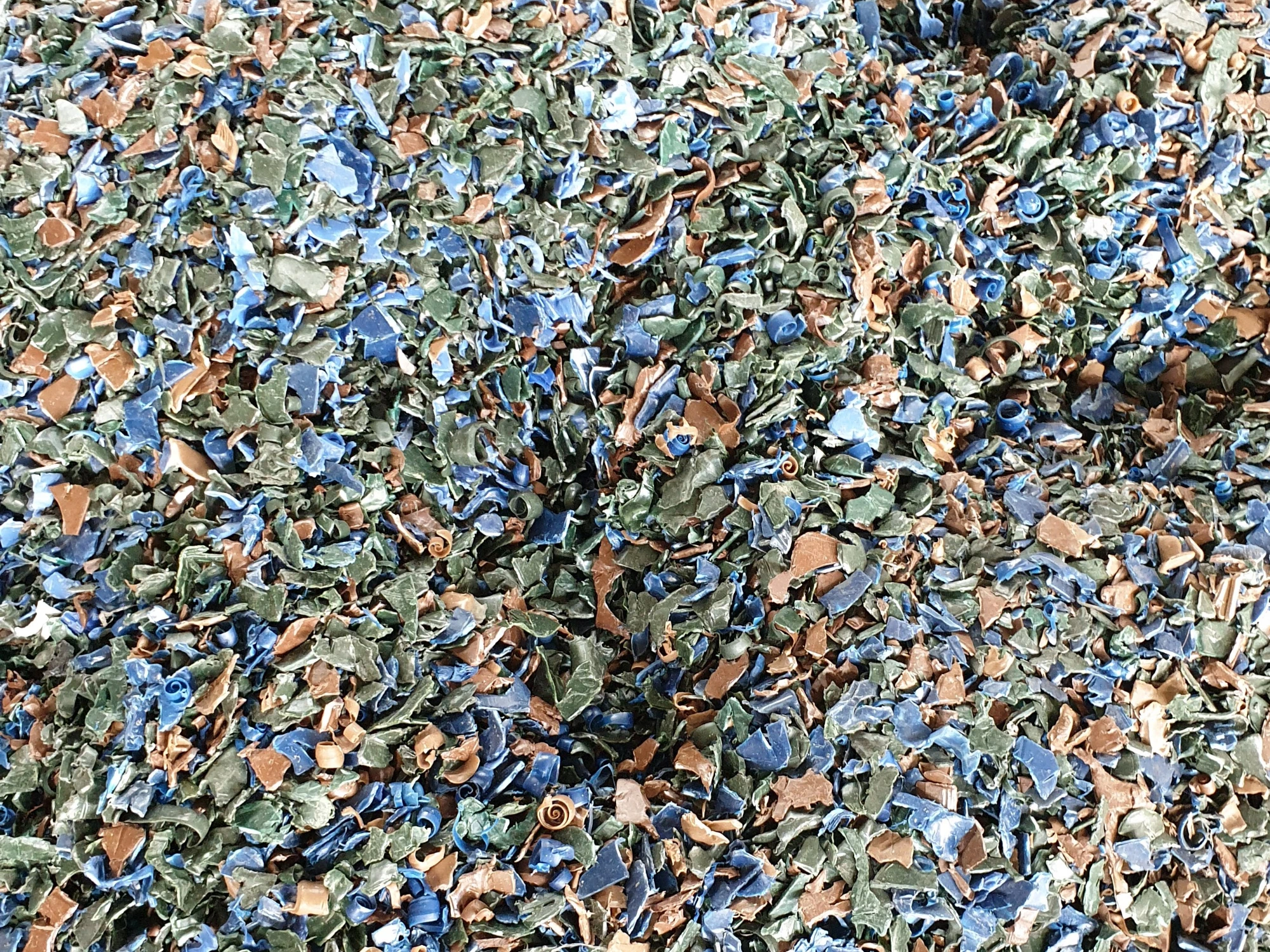
Blue plastic flakes
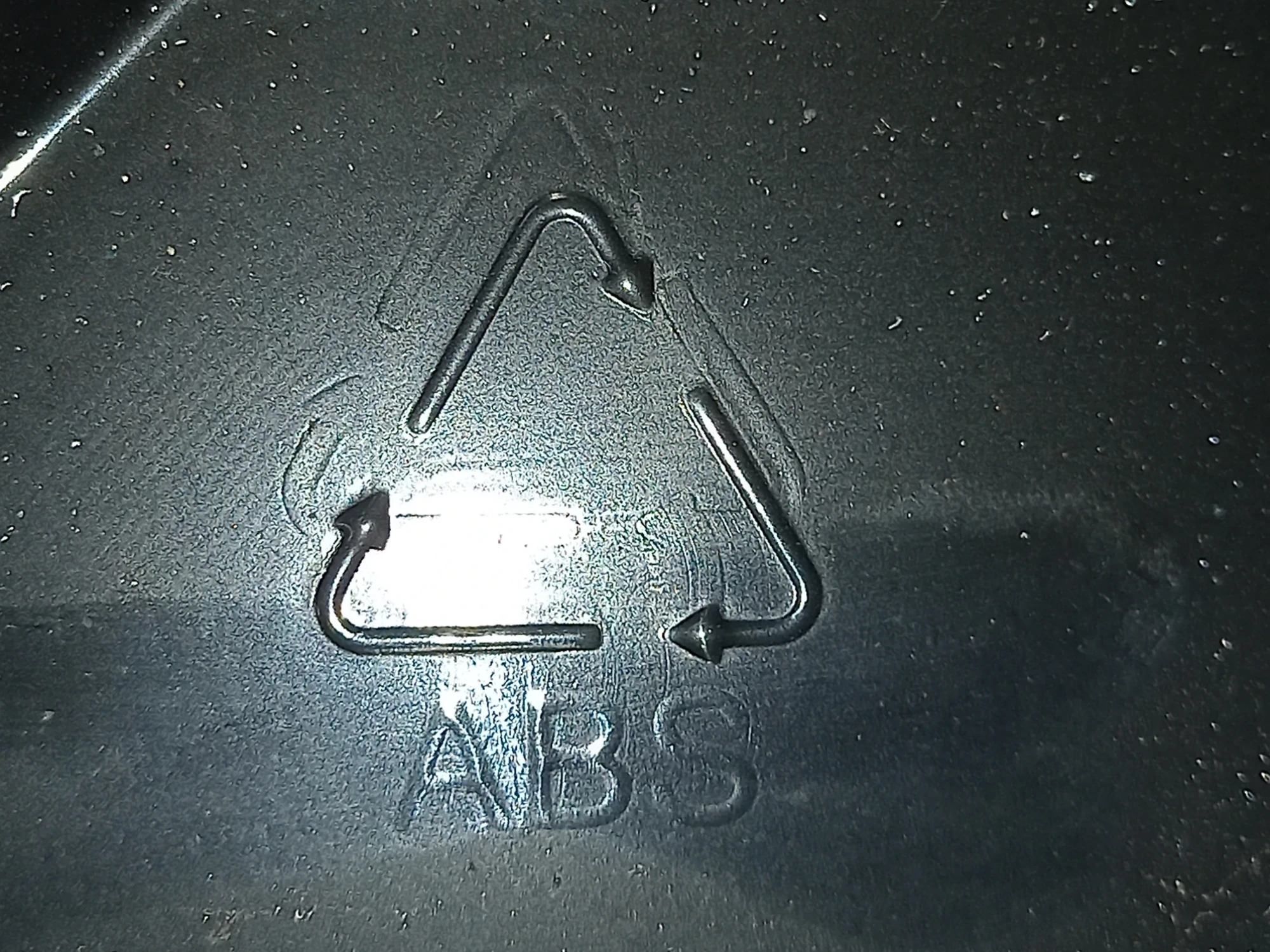
ABS plastic recycling symbol
Commonly recycled plastics
While recycling infrastructure and local council capabilities can vary across the United Kingdom, some plastic types are more readily and commonly recycled. These include:
PET (Polyethylene Terephthalate)
This includes clear drinks bottles and food containers. For your household waste, check with your local authorities, label your waste, and always remember to wash off residue after you’ve finished. For your commercial waste, we offer competitive rebates based on effective segregation at source. Among the PETs we purchase are baled PET bales, PET trays, and PET preforms.
HDPE (High-Density Polyethylene)
This includes rigid containers like milk jugs and detergent bottles. For your household waste check with your local authorities, labels on your waste and always remember to wash off residue after you’ve finished. For your commercial waste, wash it, wash it, then wash it again for any HDPE drums – triple-rinsing is the industry standard. For HDPE wheelie bins, take the wheels off, give them a wash, and then we can collect them, or you can deliver and we’ll give them a new lease of life into the supply chain.
LDPE (Low-Density Polyethylene)
This includes bread bags, bubble wrap, bin bags, and other soft films. For waste generated from the household, these should stay out of your bins, as these often cause problems for material recovery facilities (MRFs). For soft films you should check the labels and then drop off into a local supermarket drop off point once you’ve got enough. When it comes to commercial waste, we can take your LDPE and Polypropylene films. Drop a sample in or arrange a site audit and we can process this material and feed into one of our many outlets.
PP (Polypropylene)
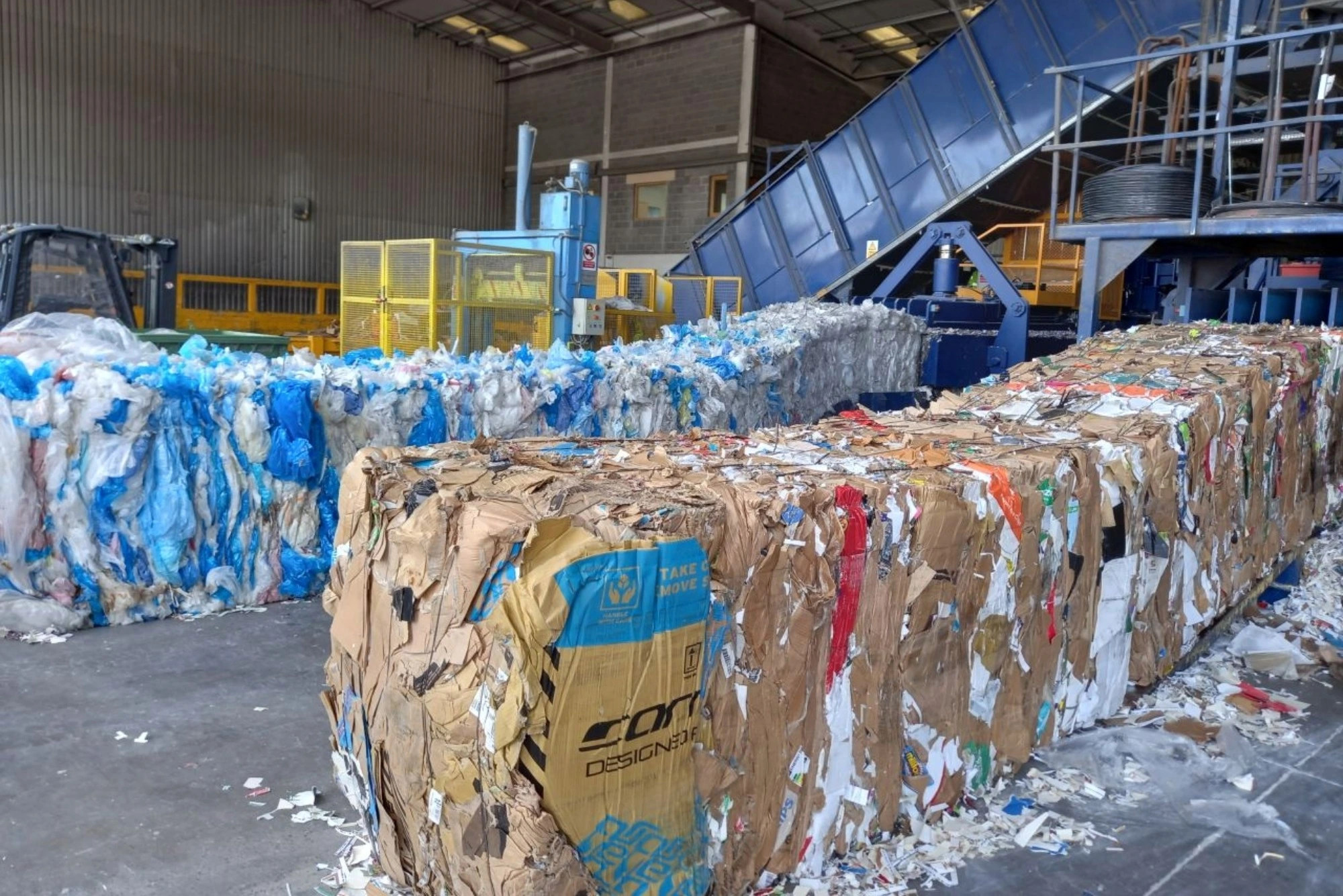
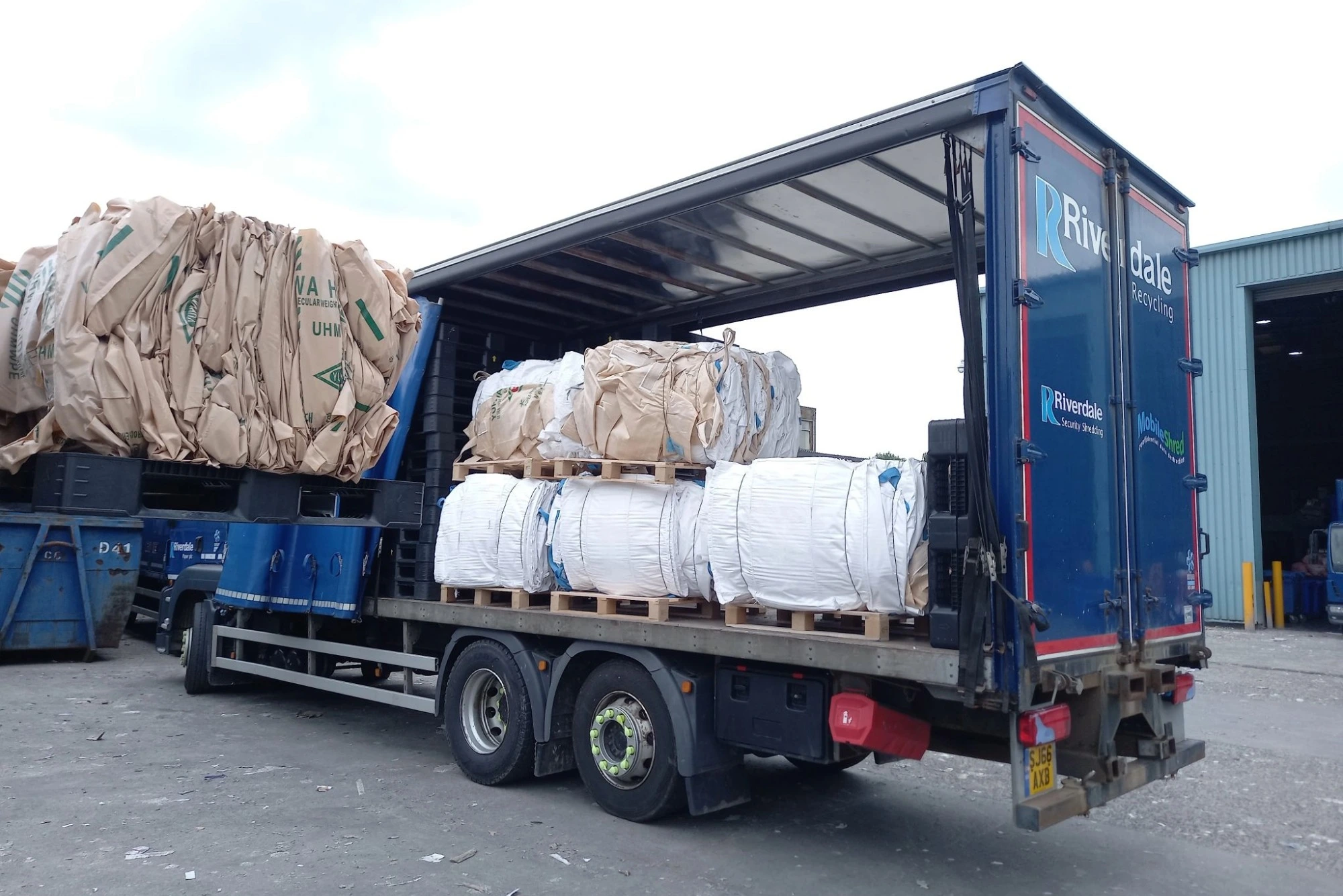
This includes rigid containers like food containers and detergent bottles. For your household waste, check with your local authorities, label your waste, and always remember to wash off residue after you’ve finished. For your commercial waste, we take a variety of PP grades from medical applications, automotive, packaging, and food producers to make PP regrinds, baled PP Correx and baled PP sacks to name but a few.
Plastics often difficult to recycle (in most kerbside collections)
EPS (Expanded Polystyrene)
Foam packaging is not commonly accepted in household waste collections. Check with your local authorities and check labels where possible on other PS waste generated at home. For your commercial waste, we can accept EPS Briquette and segregated PS waste streams to feed back into the supply chain.
PVC (Polyvinyl Chloride)
This includes pipes and window frames, which are incompatible with household recycling. For commercial waste, however, there are specialist recycling facilities that will reprocess these materials to feed them back into the recycling chain.
How to navigate recycling plastic at home vs recycling plastic at a facility
Understanding where and how to recycle different types of plastic is key to effective waste management.
Recycling plastic at home
Your local council often provides kerbside collection for commonly recycled plastics like PET and HDPE bottles and containers. Ensure these items are empty, clean, and dry before placing them in your designated recycling bin. Remove lids and pumps where possible.
Recycling plastic at a facility or designated collection points
Certain plastic types, such as flexible plastics (like crisp packets and carrier bags), PVC, and polystyrene, are generally not accepted in standard household recycling.
However, dedicated recycling facilities or specific collection points (often found at supermarkets or community centres) may accept these materials. Always check with your local council or these facilities for their specific guidelines on accepted plastic types and how to prepare them.
How can Riverdale Recycling help?
At Riverdale Recycling, we are committed to providing efficient and environmentally responsible plastic recycling services. We work with businesses and local authorities to collect, process, and repurpose plastic waste, contributing to a circular economy and a greener future.
We offer tailored plastic waste management solutions, helping you meet your sustainability goals and reduce your environmental impact. Contact our team today to discuss your specific recycling needs.
While we don’t offer direct household collection, we encourage you to be diligent in your home recycling efforts and to utilise local authority and designated collection points for plastic types not accepted in kerbside collections. By understanding which plastics can be recycled and how, you play a vital role in the recycling process.
Let’s work together to reduce plastic waste, conserve resources and protect our planet. Choose to recycle, choose Riverdale Recycling.
More from our blog



Serving UK businesses for over 40 years
We have built a legacy of expert waste management, driving innovation in sustainable recycling solutions.

Operating a Zero Waste to Landfill policy
We strive to eliminate landfill reliance through meticulous sorting, processing and innovative waste-to-energy services.

North East based, delivering nationwide services
We're a North East company with a national footprint, supporting businesses across the UK.

Expert knowledge with a personalised service
We tailor our waste management solutions to meet your unique business needs, offering ongoing support.
Let's explore your recycling options
We’ll help you develop a tailored waste management solution that meets your business goals and environmental objectives. We’re here to answer your questions and provide expert guidance.