
Paper

Commercial waste 14 Jul 2026
Commercial waste disposal: Why correct clearance is so important for businesses
Learn the essentials of UK commercial waste law, your legal Duty of Care, and how correct disposal saves your business money and protects the planet.
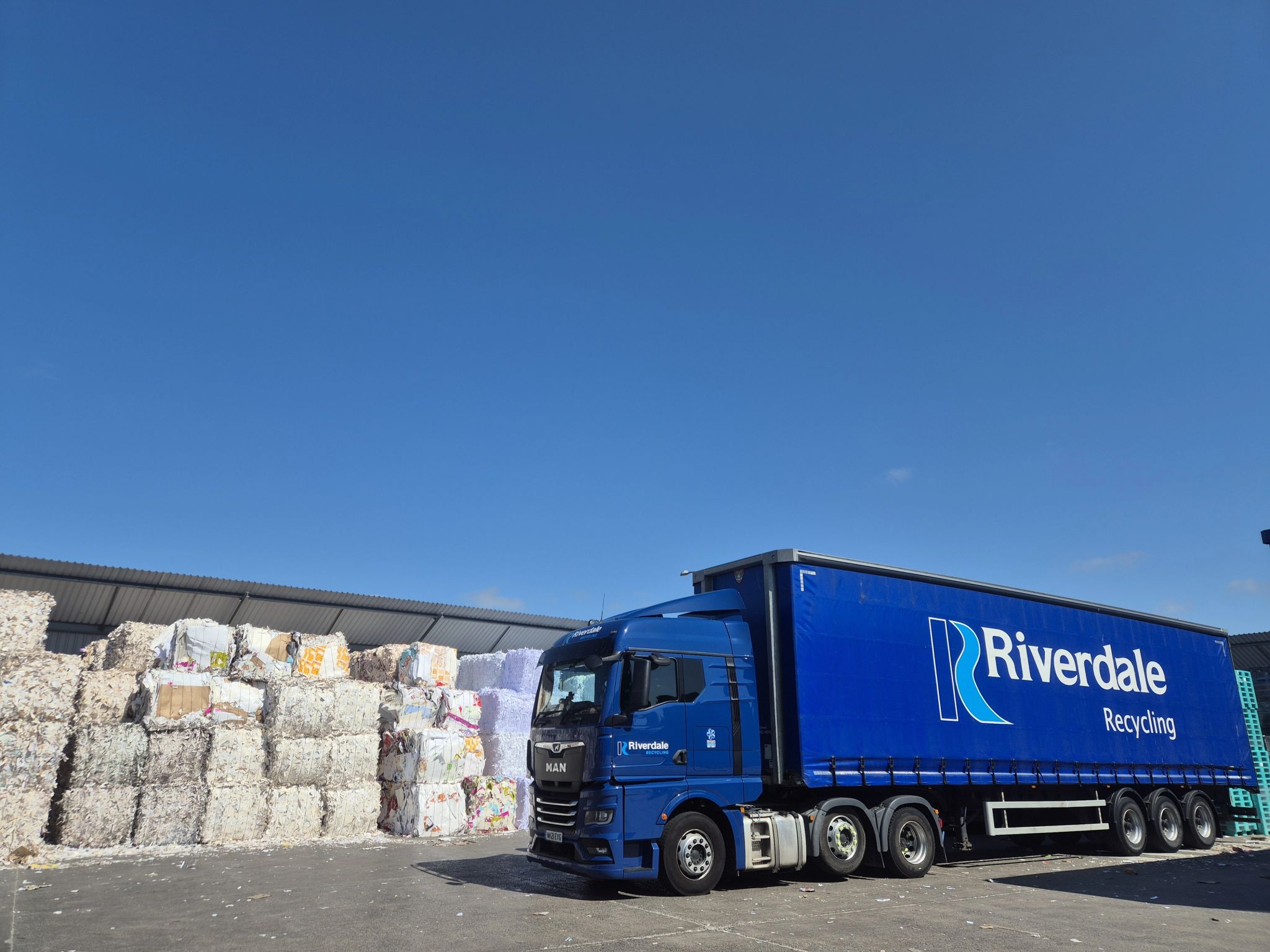
For modern organisations, commercial waste disposal is a strict legal responsibility and managing the process is far more complex than filling a commercial bin and waiting for it to be emptied. With statutory Duty of Care and environmental regulations rapidly tightening, it’s now more important than ever for businesses to get on top of their refuse habits, starting with correct disposal.
Despite the increase in legislation around this topic, it’s important for businesses not to just treat waste disposal as a necessity, but to see the way it can optimise efficiency and save on costs. We’ve outlined the legal requirements expected of businesses, the consequences of failure to abide, and what proper waste disposal should look like.
What is commercial waste?
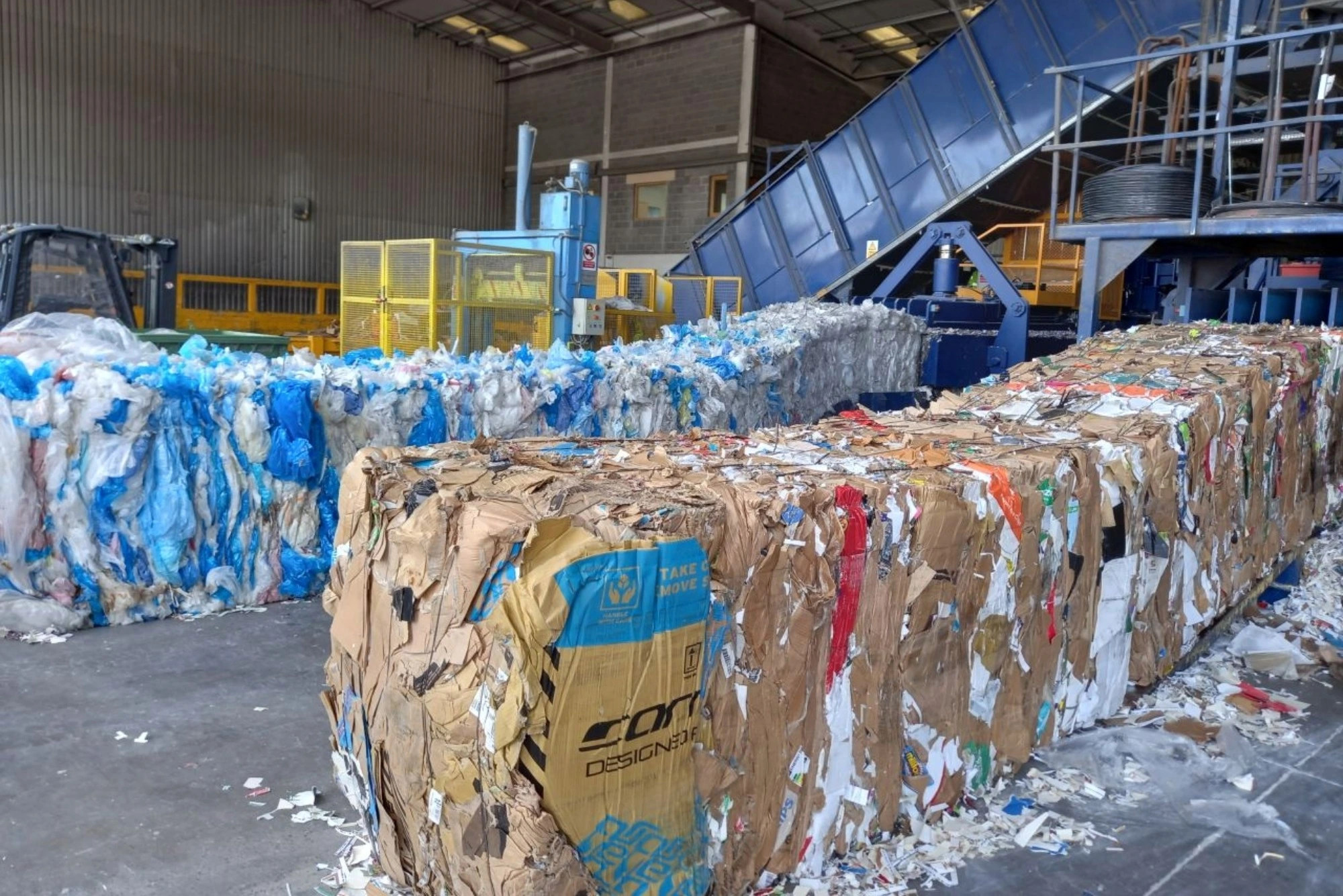
Commercial waste is any form of refuse generated by commercial activity. This includes businesses, trades, charities, and public sector organisations. This term doesn’t just include general types of waste such as the contents of office bins, it’s an umbrella term that includes packaging, electronics, demolition and construction materials, office paper, and hazardous substances.
Importantly, commercial waste is not covered by standard residential waste services, even if a business is run from home. This means that all organisations must sort their own waste disposal in alignment with UK legislation.
What is required of businesses by law?
Because millions of tonnes of waste are generated each year, there are several UK laws and recommendations in place to reduce the environmental impact of commercial waste.
The waste hierarchy
The waste hierarchy is a legal framework designed to help businesses prioritise their waste management from best to worst case scenarios. The hierarchy goes: Prevent, Reuse, Recycle, Recover, and Dispose.
Unsuccessful execution of the waste hierarchy isn’t necessarily a compliance breach, but it can result in formal warnings from the Environment Agency.
Waste Transfer Notes (WTNs)
Businesses must document every load of waste that leaves their commercial premises with a WTN so that it can be tracked from where it was produced to its final disposal. This task is carried out so that in the event an Environment Agency inspector visits your premises, you can prove that all waste produced by your company has been appropriately dealt with.
Failure to produce such evidence can result in legal consequences like fines.
Authorised carriers
Businesses are legally responsible for making sure that whichever organisation collects their waste is a registered waste carrier with the Environment Agency. This is key for businesses to remember as the law states a company’s Duty of Care does not end just because the waste is off their premises.
If unauthorised carriers fly-tip the waste, legal consequences will come down on the business with a potential criminal prosecution on the cards.
Duty of Care
Under the UK Environmental Protection Act 1990, all businesses have a legal duty to manage their waste in a safe and responsible way. This law essentially binds the rest of the legislation together. By failing with one of the previous requirements listed or committing acts like intentionally dumping waste to avoid fees, you are breaking your duty of care.
This offence faces the most severe consequences and is treated as a major crime against the environment.
What correct commercial waste disposal looks like
Implementing a compliant waste strategy comes down to establishing clear on-site habits that protect both your bottom line and the environment:
- General waste, recyclables, food waste, and hazardous waste must be segregated and contained separately from each other. This ensures they are processed properly and end up where they need to be.
- Weatherproof and lockable storage must be used to keep refuse completely secure. Locks can help prevent pest issues and fly-tipping and functional lids will stop litter from blowing away or cardboard getting wet.
- Hazardous materials must never enter the general waste stream. Electronic items, aerosols and oils must always be stored in specific leak-proof containers.
For businesses with less than 10 employees, preparations should be made by March 2027, with the latest Simpler Recycling legislation being brought into place. The new rules will require micro-firms to throw away food waste separately from their general waste and ensure their own collection, as regular firms have done since the 2025 legislation.
Why does correct waste disposal matter for businesses?
Both the benefits and consequences of correct/incorrect waste disposal should be noted by business owners when they are discerning the importance of refining their waste systems.
The benefits of correct waste disposal
In 2026, consumers are prioritising purchasing from companies who demonstrate sustainable and ethical practices more than ever. By implementing environmentally conscious waste disposal, your company’s reputation can see a large increase.
In addition to this, environmental protections and laws have only been getting stricter and covering more industries more than ever in recent years. This legal strengthening does not show any sign of stopping, so it is wise for businesses to get ahead now rather than becoming left behind to face increasingly expensive and damaging consequences.
Finally, the cost-effectiveness of proper commercial waste disposal can help a business protect their bottom line. Recycling that is properly segregated can often reduce landfill tax costs and disposal fees, especially for businesses producing lots of recycling, who would otherwise be sending everything to landfill and facing the monetary repercussions.
The consequences of incorrect disposal
The result of incorrect disposal can have multiple effects on a business in terms of finances, reputation, and the law.
Businesses can have fines imposed on them for improper waste disposal, ranging in severity depending on the act committed. As of 2023, the government brought in Variable Monetary Penalties (VMPs), civil sanctions that have no maximum amount. This means that businesses will pay depending on the severity of the crime or repeated offences. These VPNs act as one of the strongest deterrents to companies that have adopted unethical waste disposal practices.
Beyond this, extreme breaches of Duty of Care terms can actually lead to criminal prosecutions for business directors who allow this sort of illegal activity to take place. A permanent criminal record can be handed out, alongside a maximum of five years in prison.
Due to the Environmental Agency’s regularly published outcomes of successful prosecutions, businesses and brands can become publicly tarnished. Even if businesses who have been prosecuted don’t have any green goals for themselves, partners or clients with sustainability missions may choose to opt out of partnerships with prosecuted organisations.
How a professional recycling partner can support your business with commercial waste disposal
Correcting commercial waste disposal can feel complicated to a business owner, especially when they don’t know where to start or what the process should look like. Here’s the step-by-step Riverdale process that hasn’t failed us in 40 years:
- First, we conduct an on-site waste audit to look at current waste stream systems, the volume of waste produced, and current disposal methods.
- Next, we create an improvement plan based on the inefficiencies spotted.
- After this, we install the equipment that your workplace needs to carry out efficient waste disposal, and we advise your team on appropriate signage and practices that will help them succeed.
- Then, waste collection can take place. We digitally track and log every collection and its journey so that you have every bit of documentation needed for your Environmental, Social, and Governance (ESG) reporting.
- We process your waste at our specialised facilities. Recyclables are processed into high-quality raw materials, and non-recyclables are diverted from landfill so they can be turned into Refuse-Derived Fuel (RDF).
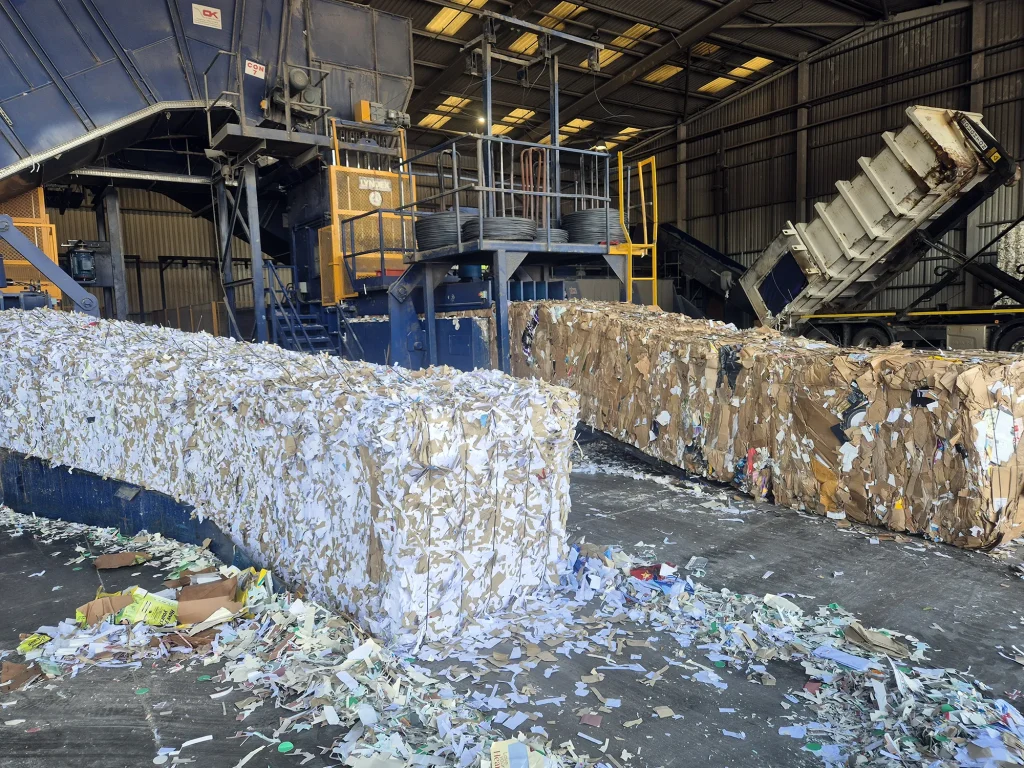
By letting a professional organisation handle your commercial waste management and disposal, the stress is completely lifted off your shoulders. Rather than spending time trying to organise WTNs and keep your company compliant, you can get back to running your business with the peace of mind that your waste channels are completely taken care of.
How Riverdale can help
A lot of the time, sustainability is associated with expensiveness, but proper waste disposal can save your company money by diverting refuse from landfill and protecting you from the imposition of fines or other easily avoidable legal consequences.
With over 40 years of streamlining waste channels for UK businesses, we know the care and precision it takes to tailor commercial refuse disposal dependent on a company and its habits. We don’t just remove your waste from site, we prioritise resource recovery and landfill diversion, helping your company achieve green goals and better support the planet.
If you’re looking for an expert organisation to carry out a site audit and take your rubbish through the whole waste disposal journey, contact our specialist team for support with your waste from start to finish.
More from our blog



Serving UK businesses for over 40 years
We have built a legacy of expert waste management, driving innovation in sustainable recycling solutions.

Operating a Zero Waste to Landfill policy
We strive to eliminate landfill reliance through meticulous sorting, processing and innovative waste-to-energy services.

North East based, delivering nationwide services
We're a North East company with a national footprint, supporting businesses across the UK.

Expert knowledge with a personalised service
We tailor our waste management solutions to meet your unique business needs, offering ongoing support.
Let's explore your recycling options
We’ll help you develop a tailored waste management solution that meets your business goals and environmental objectives. We’re here to answer your questions and provide expert guidance.