
Paper

Commercial waste 11 Sep 2026
What businesses need to know about Landfill Tax and how to reduce their exposure
Looking closely at what’s being sent to landfill can highlight practical opportunities to reduce the amount of waste going there in the first place.

If your business produces commercial waste, you’ll know that the cost of disposal can quickly become a major overhead. And while the amount of waste leaving your site does matter, but so does what happens to it once it leaves.
One cost you need to keep in mind as a business owner is Landfill Tax. Although the tax is paid by landfill site operators rather than directly by most waste-producing businesses, the cost is generally reflected in the charges you’ll pay for waste disposal.
That means sending material to landfill can have a direct impact on your waste budget. Where recyclable or recoverable materials end up in a general waste stream because of poor segregation or contamination, you could end up paying more to dispose of material that could have been put to better use.
Thus, understanding how Landfill Tax works is useful when you’re looking to control waste costs. And more importantly, looking closely at what’s being thrown away can highlight practical opportunities to reduce the amount of waste going to landfill in the first place.
What is Landfill Tax?
Landfill Tax was introduced in the UK to encourage businesses and waste producers to move away from landfill and towards more sustainable ways of managing waste. The tax applies to waste disposed of at landfill sites, with different rates depending on the type of material involved.
The landfill operator is responsible for paying the tax to HMRC, but the cost forms part of the wider economics of landfill disposal and can be passed through the waste management chain. As of 1st April 2026, the standard rate of Landfill Tax is £130.75 per tonne.
Why does Landfill Tax matter to businesses?
Landfill Tax can be easy to overlook because it isn’t normally shown as a tax bill arriving directly from HMRC. Instead, it forms part of the cost of disposing of waste through landfill.
For a business producing relatively small amounts of residual waste, this might seem like a minor consideration. But for larger operations producing tonnes of waste each month, the figures can add up fast.
There’s also more to the cost of landfill than the tax itself. Businesses might be paying for containers, collections, transport, treatment, and disposal. And if recyclable materials are mixed into a general waste stream, those costs can apply to material that could otherwise have been recovered.
Kevin Brown, General Manager at Riverdale Recycling, had this to say:
“The biggest opportunity for many businesses is understanding exactly what they’re throwing away. When you know what your waste streams look like, you can start making sensible choices about what should be recycled, what needs to be recovered, and what genuinely needs to go to disposal.”
This is exactly why reducing landfill exposure should be considered part of good commercial waste management rather than just an environmental exercise.
How can recyclable waste end up in landfill?
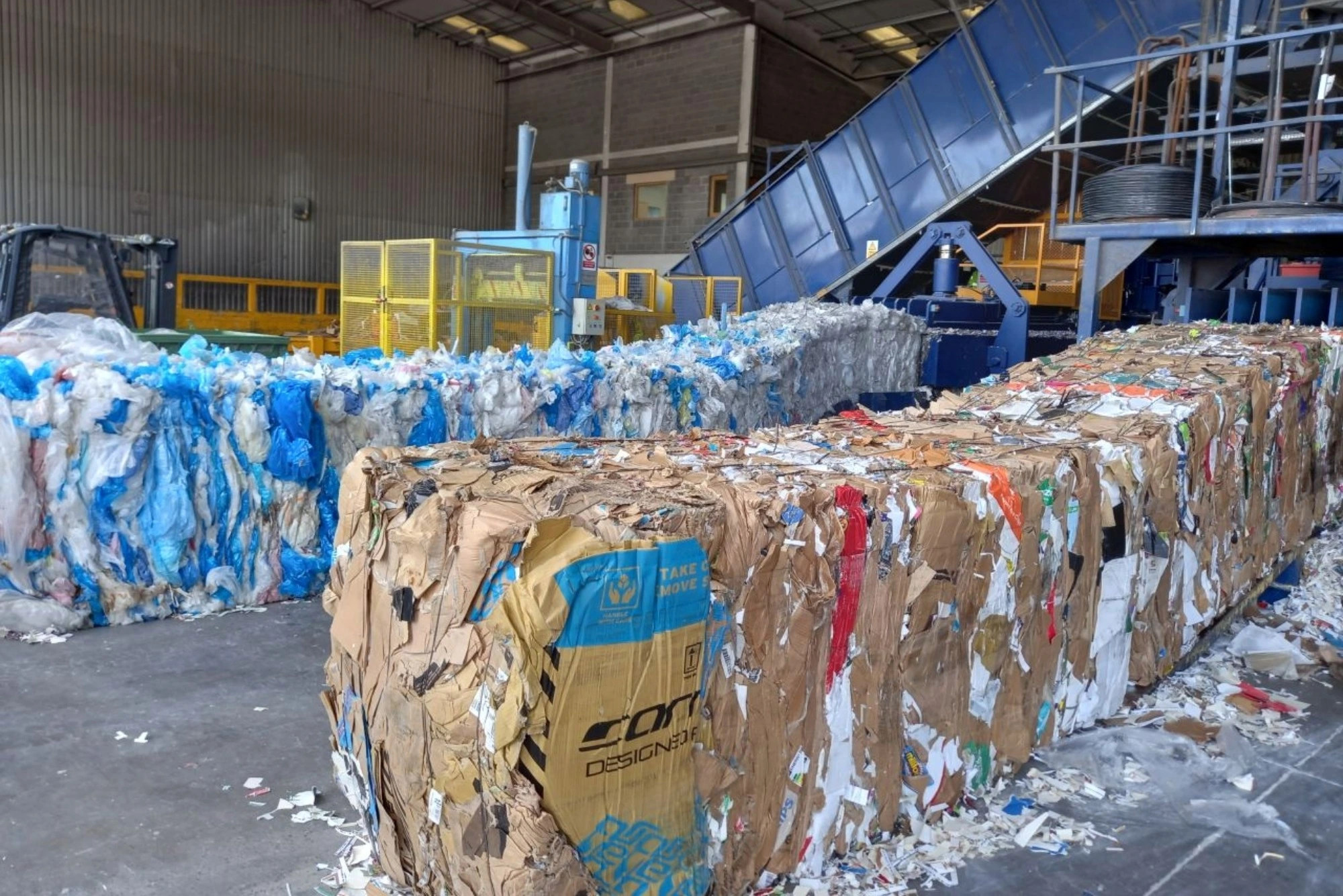
In a lot of cases, the problem starts with segregation. A business might produce large amounts of cardboard, paper, plastics, or other recyclable materials. But if these materials are placed into a general waste container, they become much harder to recover. Once different materials have been mixed together and contaminated, the potential for recycling can be reduced considerably.
Contamination can happen in several ways. Food residue can affect otherwise recyclable packaging. Different polymer types can become mixed together. Wet materials can reduce the quality of paper and cardboard. Even the way waste is stored and collected can influence what happens to it further down the line.
Poor segregation doesn’t necessarily mean that a business has an ineffective waste system. Sometimes the existing setup simply no longer reflects how the business operates.
A company might’ve increased production, changed its premises, added new processes, or started using different packaging. Its waste requirements can change without the container system changing with them. And that’s where reviewing the waste stream can make a real difference.
The wider cost of poorly managed waste
Landfill Tax is only one part of the wider financial picture. If a business has the wrong container for the amount of waste it produces, collections might be more frequent than necessary. On the other hand, an undersized container can overflow, creating health and safety concerns and making waste handling more difficult.
There can also be unnecessary costs when recyclable materials are treated as general waste. Cardboard, paper, and suitable plastics can have a value within recycling markets, but that value is lost when the materials are heavily contaminated or sent for disposal.
For businesses producing substantial quantities of waste, inefficiencies like these can become embedded in day-to-day operations. They might not be obvious when looking at individual collections, but they can certainly add up over the course of a year.
Improving segregation gives businesses a chance to look at the whole picture rather than focusing solely on the cost of individual bins or collections.
How can businesses reduce their exposure to Landfill Tax?
There’s no single solution that works for every business. The right approach depends on the waste being generated and the way materials are currently stored and collected. However, there are several practical steps that can help reduce reliance on landfill.
Start with a waste audit
A waste audit provides a useful starting point because it gives a business a clearer picture of what it is producing. Our free site audits involve visiting the premises, identifying and categorising the different waste streams and looking at existing storage, handling, and collection arrangements.
The aim isn’t to create extra work for the business. Instead, it’s to identify where the current setup could be improved and where more material could potentially be recovered.
A review might reveal that a business needs additional recycling containers in particular areas, a different collection frequency, or a more suitable solution for a high-volume material. It can also highlight waste streams that are currently being overlooked.

Improve segregation
Once the different waste streams have been identified, the next step is making it easy for people to keep them separate.
That could mean introducing dedicated containers for paper and cardboard, specific plastics, or other recyclable materials. Clear signage can help staff understand what belongs where, while sensible positioning of containers can make the correct option the convenient option.
Segregation needs to work in practice. A complicated system that nobody follows won’t deliver much of a benefit, so you should consider how waste is generated and where it is handled throughout the site.
Choose the right containers
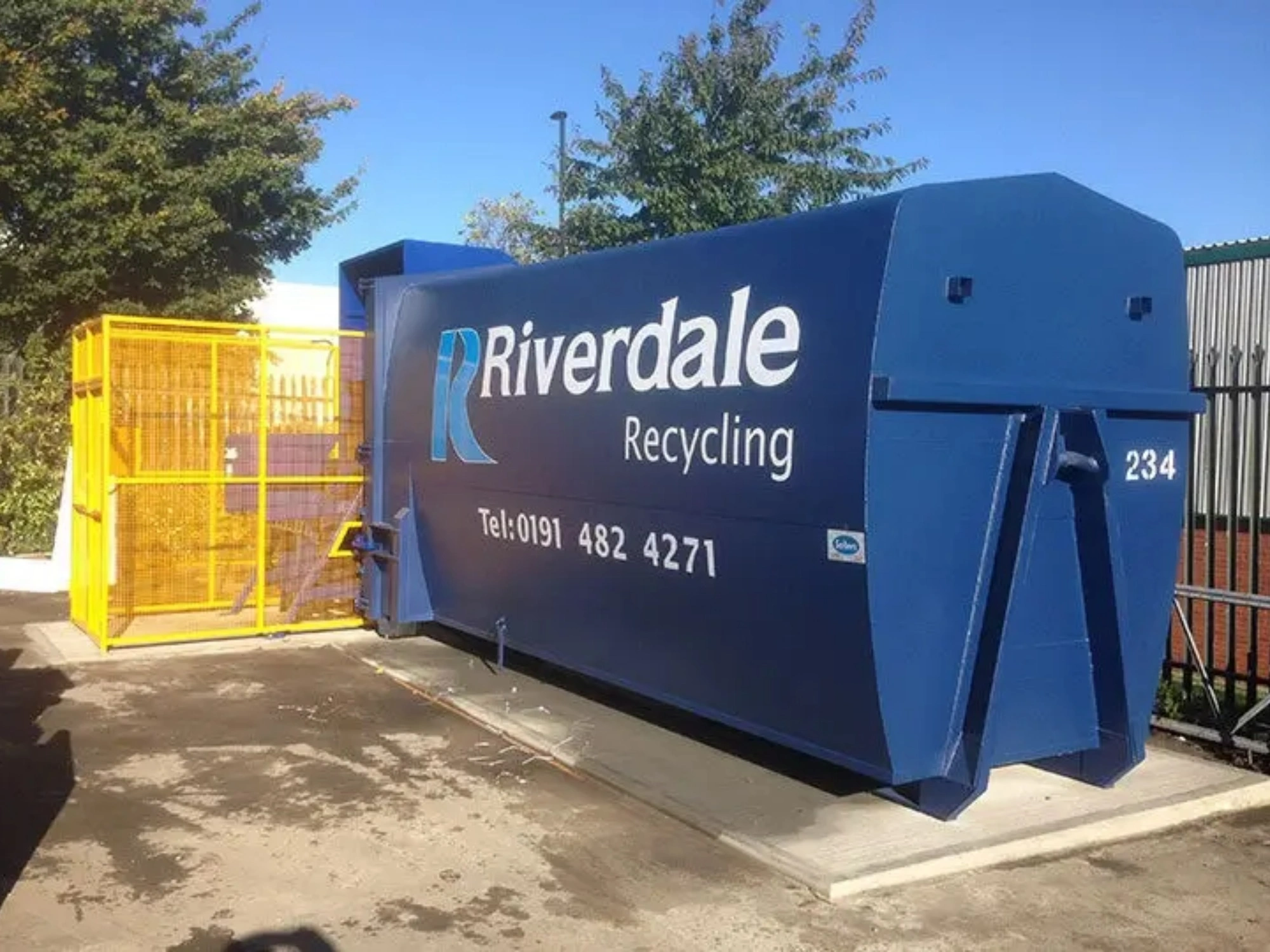
The right container can make a surprisingly big difference. A business producing high volumes of cardboard might need a solution that allows material to be stored efficiently between collections. A smaller office might need a selection of appropriately sized recycling bins, while a large industrial site could benefit from compactors or Roll-on Roll-off containers.
Container capacity and collection frequency should reflect actual waste volumes rather than assumptions. This is another area where a site audit can help. By looking at the waste being produced, rather than simply replacing an existing bin with a larger one, businesses can consider whether there is a better way to store and manage each material.
Keep recyclable materials in good condition
But segregation is only part of the process. Material quality matters too. Paper and cardboard can be damaged by moisture, while food residue and other contaminants can affect recyclable packaging. Keeping materials separate, dry, and appropriately stored can make them easier to process and improve their potential for recycling.
Staff awareness also has a role to play. People need to understand what the different containers are for and why correct segregation matters. It doesn’t have to become a major training exercise. Clear information, straightforward signage and occasional reminders can help establish good habits.
Waste audits can uncover hidden opportunities
One of the easiest ways to start reducing landfill exposure is to take a fresh look at what is happening on your site. A waste audit can identify where waste is being generated and what happens to it once it reaches the container. This can reveal practical opportunities that aren’t always obvious from invoices or collection records alone.
For example, a business might discover that it’s collecting general waste twice a week because recyclable cardboard is taking up valuable space. Separating the cardboard could free capacity, reduce the amount of residual waste, and potentially change the collection requirements.
Another business might find that a certain production area generates a large volume of one recyclable material, but there’s no dedicated container nearby. Adding one could make segregation so much easier. These are relatively easy changes, but they can have a meaningful effect when repeated across a busy site.
How Riverdale Recycling can help
Reducing landfill reliance starts with understanding what your business produces and how those materials are currently being managed. Our team works with businesses to identify suitable recycling and recovery routes for their waste.
Through free site audits, we can assess existing waste streams, storage arrangements, and collection requirements before recommending a solution suited to your operation. This could involve introducing different containers, changing collection schedules, or separating materials that are currently being handled together.
The objective is to recover as much useful material as possible while reducing the amount that needs to go to landfill. Where landfill remains necessary for certain residual waste, the aim is to manage that stream appropriately rather than treating every material as disposal waste.
We also have a range of collection and storage options designed for different business requirements, from wheelie bins and FELs through to compactors and large Roll-on Roll-off containers. Contact us to arrange a free site audit and discuss how your business could reduce its reliance on landfill.
More from our blog


Serving UK businesses for over 40 years
We have built a legacy of expert waste management, driving innovation in sustainable recycling solutions.

Operating a Zero Waste to Landfill policy
We strive to eliminate landfill reliance through meticulous sorting, processing and innovative waste-to-energy services.

North East based, delivering nationwide services
We're a North East company with a national footprint, supporting businesses across the UK.

Expert knowledge with a personalised service
We tailor our waste management solutions to meet your unique business needs, offering ongoing support.
Let's explore your recycling options
We’ll help you develop a tailored waste management solution that meets your business goals and environmental objectives. We’re here to answer your questions and provide expert guidance.