
Paper

Plastics 30 Mar 2026
The importance of recycling HDPE plastic
Explore what makes HDPE such an important plastic, how to identify it, why it holds high value when recycled correctly, and how Riverdale Recycling supports businesses in maximising recovery and reuse.
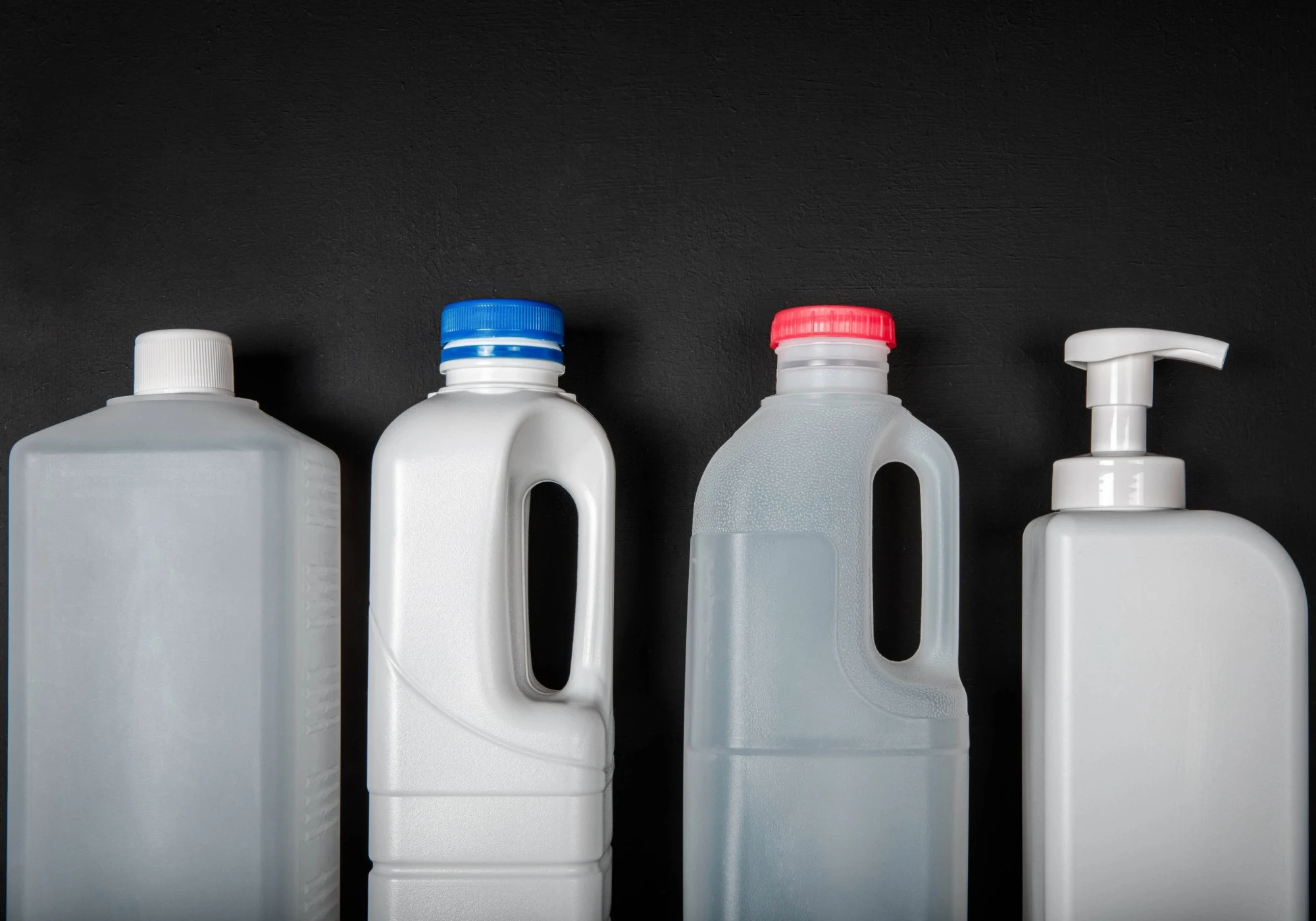
High-Density Polyethylene (HDPE) is one of the most widely used plastics in modern commerce. From everyday packaging to heavy-duty industrial applications, it plays a vital role in protecting products, storing liquids, and supporting supply chains.
Crucially, HDPE is also one of the most recyclable and valuable plastics in the waste stream, offering businesses a clear opportunity to reduce environmental impact while recovering material value. But despite its recyclability, HDPE is not always handled correctly once it becomes waste.
Contamination, poor segregation, and inadequate preparation can all undermine its recycling potential. For businesses generating HDPE packaging or containers, understanding the material’s properties, uses, and recycling pathway is essential to achieving both sustainability and compliance goals.
This guide will explore what makes HDPE such an important plastic, how to identify it, why it holds high value when recycled correctly, and how Riverdale Recycling supports businesses in maximising recovery and reuse.
Understanding HDPE plastic and its recycling value
HDPE is a thermoplastic polymer derived from petroleum and widely used across commercial and industrial applications. Its dense molecular structure gives the material a high strength-to-weight ratio, making it a rigid plastic with excellent impact resistance and a relatively low weight.
These characteristics have made HDPE a preferred choice for manufacturers in sectors ranging from food and beverage to chemicals, logistics, and industrial processing.
A defining feature of HDPE plastic is its stability. The material does not readily degrade when exposed to moisture, chemicals, or temperature fluctuations, and it maintains its structural integrity over long periods of use.
This durability not only makes HDPE suitable for demanding applications but also underpins its strong performance in recycling. When handled correctly, HDPE can be reprocessed multiple times with minimal loss of quality, making it one of the most reliable materials within the plastic recycling system.
HDPE’s recyclability is further enhanced by its relatively simple composition. Unlike multi-layer or composite plastics, HDPE is typically a single polymer, which simplifies sorting and reprocessing. Its predictable melting behaviour and chemical resistance allow recyclers to produce high-quality recycled material that can be used in a wide range of new products.
From a commercial perspective, this combination of material performance and recyclability translates into strong market demand. Clean, well-sorted HDPE consistently commands higher values than many other plastic types like soft plastics, particularly when contamination levels are kept low.
At the same time, recycling HDPE plastic supports circular economy principles by reducing reliance on virgin plastics and lowering associated carbon emissions. For businesses, effective HDPE recycling offers both environmental benefits and a tangible opportunity to recover value from the waste stream.
How to identify HDPE plastic
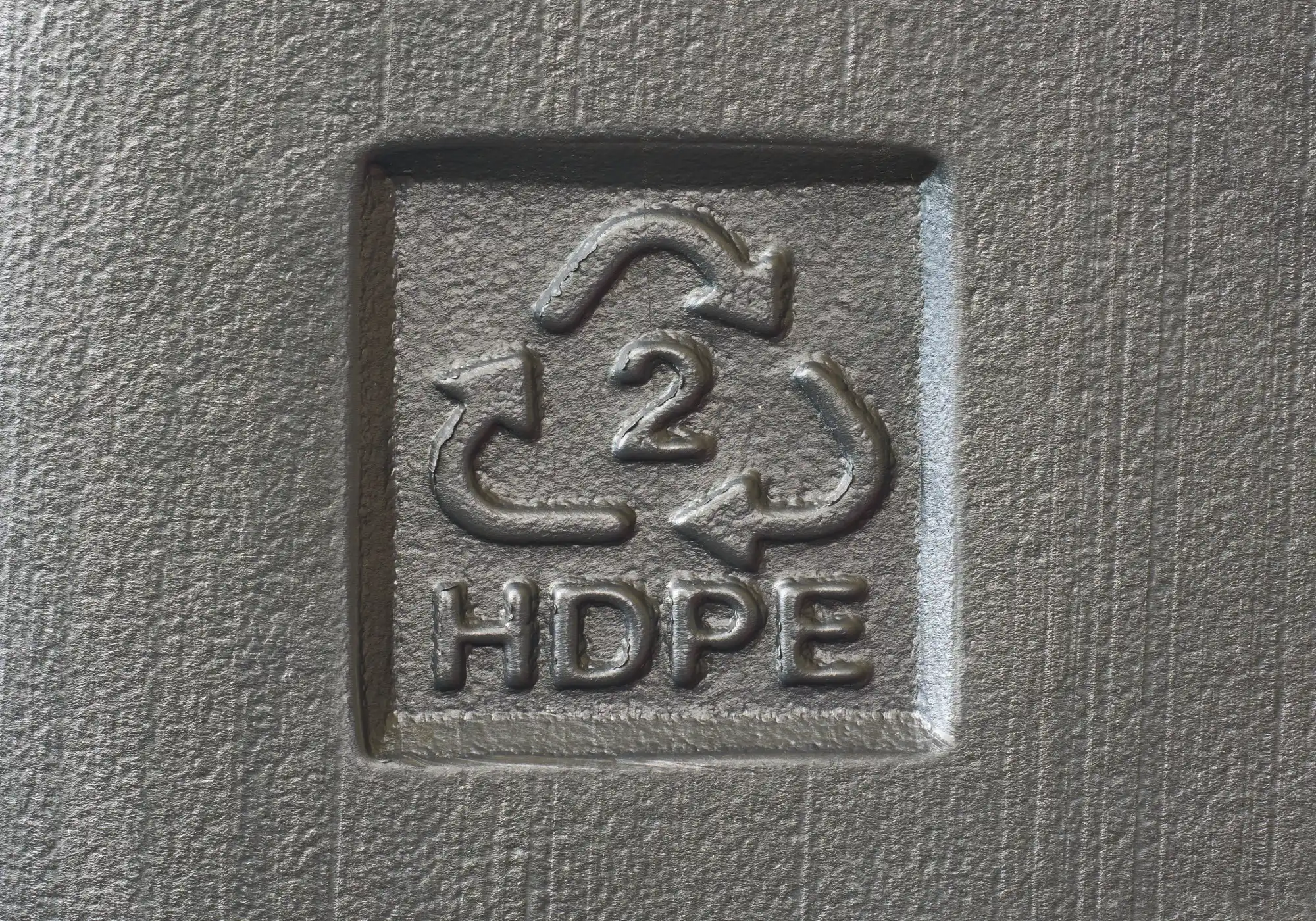
Correct identification is essential to ensure HDPE plastic is captured and recycled effectively. In most commercial and industrial settings, the simplest way to identify HDPE is by checking for the resin identification code.
HDPE is marked with the recycling symbol containing the number two inside the chasing arrows, which is typically moulded into the base or side of containers. While not all items display this marking clearly, it remains one of the most reliable indicators of HDPE material.
Physical characteristics can also help with identification where labelling is unclear or absent. HDPE is usually opaque or slightly translucent rather than fully transparent. It has a rigid, robust feel and does not flex or crumple easily under pressure. When squeezed, the material tends to retain its shape rather than creasing or folding, and its surface often has a slightly waxy or matte finish.
Because HDPE is used so widely, it frequently appears alongside other plastics such as PET or PP in mixed waste streams. Without clear identification, these materials can be incorrectly combined, increasing contamination risk. Establishing simple identification guidance and segregation procedures helps protect material quality and ensures HDPE remains suitable for high-value recycling.
Common examples to look out for
HDPE plastic is widely used across multiple business sectors due to its durability and resistance to moisture and chemicals. In the food and beverage industry, it is commonly found in milk bottles, juice containers, and other food-grade packaging, where hygiene and product protection are critical.
The cleaning and hygiene sector relies heavily on HDPE for containers holding detergents, disinfectants and chemical cleaning products. Its resistance to corrosion ensures containers remain stable throughout storage, transport and use. These items often enter the waste stream in large volumes once empty, making them an important target for recycling.
In manufacturing and industrial environments, HDPE is used for larger-format packaging and handling equipment. Drums, barrels, rigid crates and intermediate bulk containers (IBCs) are designed to withstand repeated use and exposure to demanding conditions. Retail and logistics operations also generate HDPE waste through rigid transit packaging, bulk containers, and storage units.
Across all of these sectors, HDPE packaging often has a relatively short functional life despite its durability. Capturing and recycling these materials effectively is therefore essential to recovering value and reducing unnecessary disposal.
The physical properties that make HDPE valuable
One of HDPE plastic’s defining characteristics is its high strength-to-density ratio. This means it provides excellent structural strength without excessive weight, allowing manufacturers to create durable containers that are easy to handle and transport.
HDPE is also highly resistant to impact, which reduces breakage and product loss during storage and distribution. This durability carries through into the recycling process, as the polymer retains its integrity during shredding, washing and reprocessing.
Chemical resistance is another key advantage. HDPE does not readily react with acids, alkalis or solvents, which makes it suitable for storing a wide range of liquids. From a recycling perspective, this stability helps ensure that the polymer itself is not degraded by its previous contents, provided residues are properly removed.
These physical properties mean that recycled HDPE can perform reliably in new applications. When processed correctly, it retains much of the strength and durability of virgin material, which is why it remains in high demand.

The importance of proper HDPE recycling
Although HDPE plastic is highly recyclable, its value can be significantly reduced if it is not handled correctly. Contamination is one of the most common challenges. Residual liquids left inside containers can introduce moisture, odour and unwanted substances into recycling loads.
Mixing HDPE with other polymers is another issue. Plastics such as PET or PVC have different melting points and chemical properties, and even small amounts can compromise a batch of recycled HDPE. This can result in downgraded material or rejection by reprocessors.
Improper baling can also affect quality. Bales that contain mixed materials or excessive moisture are harder to process and less attractive to downstream buyers. For businesses, these issues translate into lower recycling rebates and higher waste management costs. By contrast, clean, well-segregated HDPE maintains its value and supports efficient recycling outcomes.
How HDPE becomes contaminated in the waste stream
Contamination often occurs at the point of disposal. Containers that are not emptied fully can retain residues of milk, cleaning fluids, or chemicals. Over time, these residues can leak, attract pests, or degrade, which affects surrounding materials.
Another common source of contamination is incorrect disposal. HDPE plastic items placed in mixed plastic or general waste streams may be compacted alongside incompatible materials, making later separation more difficult.
In industrial settings, contamination can occur when different plastic types are collected together for convenience. While this may simplify on-site handling, it complicates recycling and reduces overall material value. Understanding these risks highlights the importance of clear segregation and appropriate waste handling procedures.
The post-consumer recycling process
Once HDPE plastic has been collected from businesses, households, or industrial sites, it enters a carefully controlled recycling process designed to recover the material efficiently and prepare it for reuse. Each stage is critical to ensure the polymer maintains its quality and value.
1. Collection
The process begins with collection from commercial clients, waste management depots, or dedicated recycling points. At this stage, HDPE materials are separated from general waste and other plastics to reduce contamination. Efficient collection practices, including clearly marked containers and trained staff, help maintain material purity before transportation to the recycling facility.
2. Sorting by polymer type & colour
At the recycling facility, HDPE is first sorted to separate it from other plastic types, such as PET, PVC, or polypropylene. This is achieved through a combination of manual inspection, optical sorting technology, and density-based separation.
HDPE has a specific density range that allows it to be separated from lighter or heavier plastics using flotation systems. Colour sorting may also occur, separating natural, white, and coloured HDPE to ensure consistent quality for downstream processing.
3. Shredding
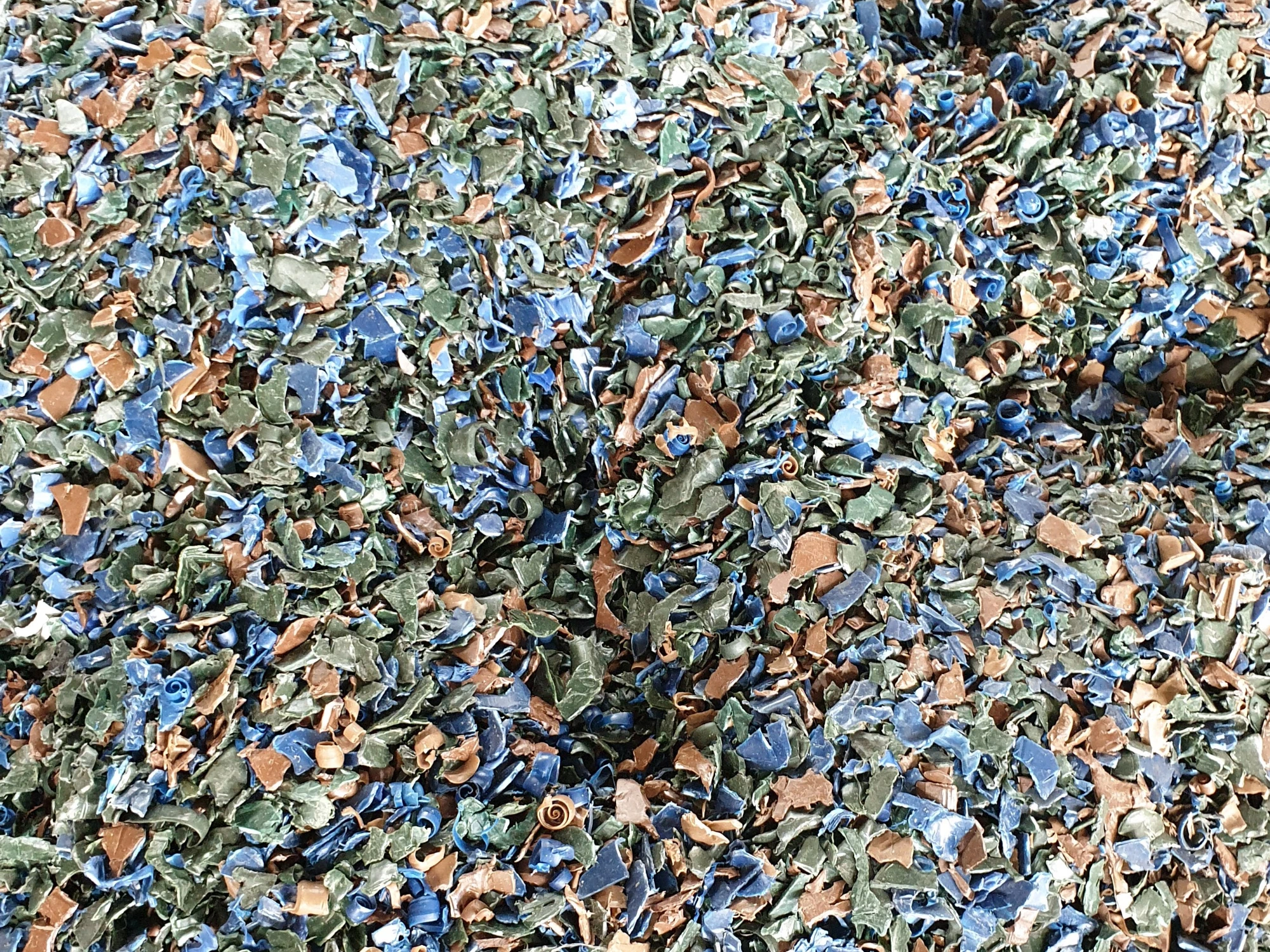
Once sorted, the HDPE is fed into industrial shredders that reduce it to smaller, manageable flakes. Shredding increases the surface area of the plastic, making it easier to wash and process. It also allows materials of varying sizes and shapes, from bottles to large drums, to be handled uniformly in subsequent stages.
4. Washing
Shredded HDPE flakes are thoroughly washed to remove contaminants such as labels, adhesives, dirt, and residual liquids. Washing is essential to maintain the integrity of the polymer and prevent contamination in the recycled product. In some cases, hot water and mild detergents are used, along with mechanical agitation, to ensure the flakes are completely clean.
5. Melting & filtering
Clean, dry flakes are then melted under controlled temperatures. During melting, any remaining small impurities are removed through filtration systems, ensuring that the molten HDPE is free of foreign matter. This step is critical for producing high-quality recycled pellets suitable for manufacturing new products.
6. Pelletising
Finally, the molten HDPE is extruded and cut into uniform pellets, commonly referred to as recycled HDPE (rHDPE). These pellets are easy to transport, store, and feed into manufacturing processes. They retain much of the original polymer’s strength, durability, and chemical resistance, making them a versatile raw material for new HDPE products such as crates, bins, pipes, and containers.
From waste to new products
Once HDPE plastic has been recycled and converted into rHDPE pellets, it becomes a versatile raw material used across all manner of industries. Thanks to its many benefits covered previously, recycled HDPE is well suited to applications that demand reliable performance over extended periods. Here, we’ll detail a few examples.
Industrial & commercial handling products
One of the most common uses for recycled HDPE is the manufacture of industrial handling equipment. Crates, bins, pallets, and storage boxes are all frequently produced using rHDPE, as the material retains the toughness and impact resistance needed for repeated use. These products often have to endure heavy loading, frequent movement, and varying temperatures, which HDPE is built to withstand brilliantly.
Using recycled HDPE in these applications allows manufacturers to reduce their reliance on virgin plastic without compromising product lifespan or functionality, supporting more circular supply chains.
Construction & infrastructure
Recycled HDPE also plays a significant role in construction and infrastructure projects. It is widely used to produce drainage pipes, ducting, cable protection systems and protective barriers. In these environments, resistance to moisture, chemicals and corrosion is essential, particularly for underground or external installations.
HDPE plastic’s ability to perform consistently in harsh conditions makes recycled material a viable and often preferred option. Products manufactured from rHDPE can offer long service lives while helping to reduce the environmental footprint of construction activities.
Public-facing products
Outdoor furniture, street furniture, and landscaping products are another important end use for recycled HDPE. Benches, tables, planters, and bollards made from rHDPE benefit from the material’s resistance to weathering, UV exposure, and moisture. Unlike wood, HDPE does not rot or splinter, and unlike metal, it does not corrode, making it suitable for long-term outdoor use with minimal maintenance.
Packaging & storage solutions
In non-food applications, recycled HDPE is commonly used for storage containers, as well as protective and transit packaging. These products take advantage of HDPE’s rigidity and chemical resistance, providing safe containment while supporting recycled content targets. In many cases, rHDPE can directly replace virgin plastic, delivering comparable performance while significantly reducing environmental impact.
Across all of these applications, the ability of recycled HDPE to match the functional properties of virgin material highlights the effectiveness of the recycling process. When HDPE is correctly processed and reused, it becomes a high-value resource that supports both commercial performance and sustainability objectives.
How can Riverdale Recycling help?
We work with businesses to make certain HDPE plastic is managed as a valuable resource rather than a disposal challenge. Our approach begins with understanding how HDPE is generated on site, allowing us to identify opportunities to improve segregation, handling, and overall recycling performance.
By addressing issues at source, we help reduce contamination and protect the quality of recyclable material from the outset. We provide tailored collection solutions that keep HDPE separate from other waste streams, supporting consistent capture across sites and departments.
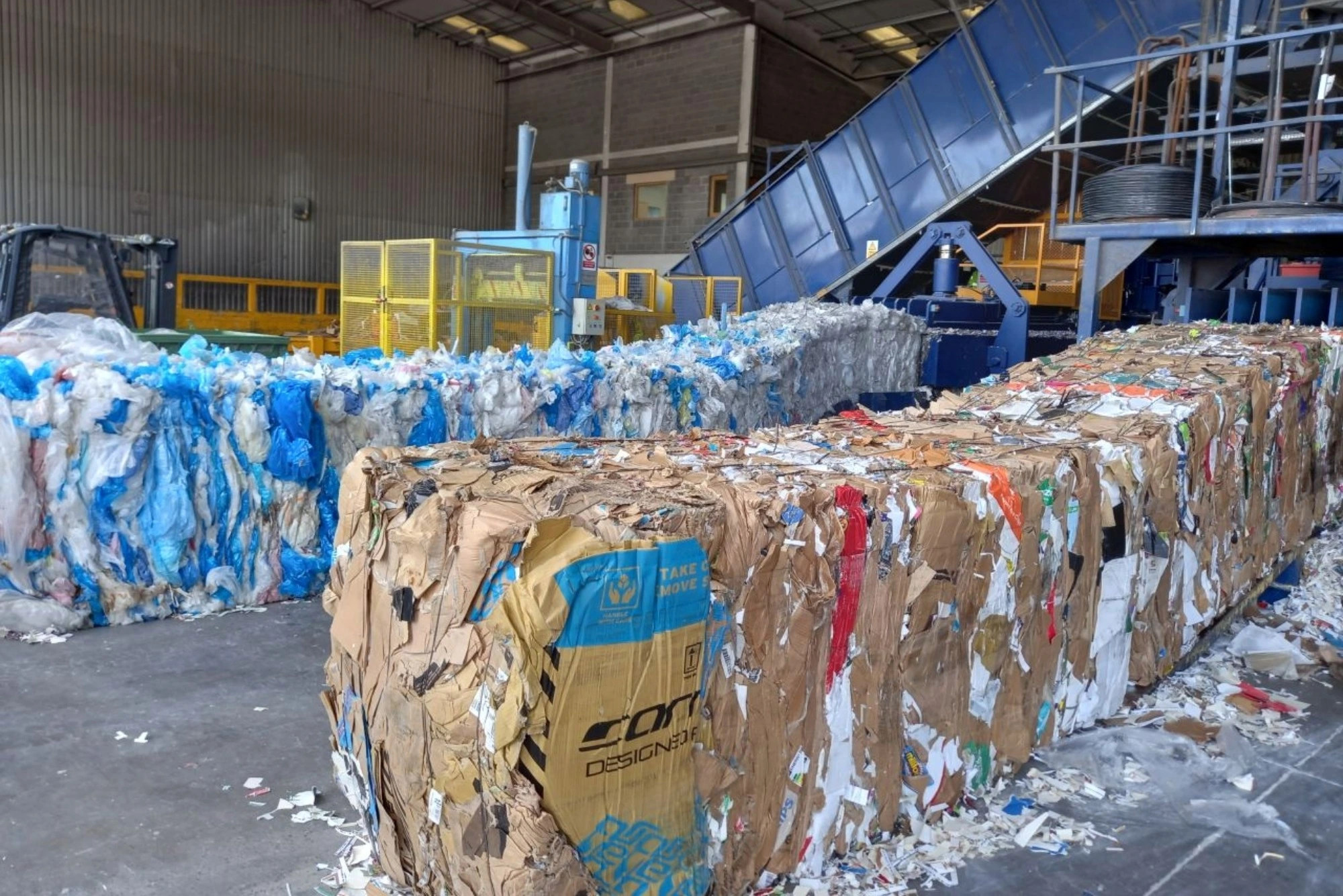
Once collected, materials are carefully sorted and prepared at our facilities to meet the quality standards required by downstream recyclers. Moisture control and correct baling are central to this process, ensuring clean, consistent HDPE bales that are suitable for efficient reprocessing and strong market demand.
Our team works closely with established recycling partners to ensure HDPE is transformed into high-quality recycled HDPE (rHDPE) suitable for a wide range of commercial and industrial applications. This end-to-end oversight gives businesses confidence that their material is being recycled responsibly and effectively.
Correct HDPE plastic recycling also supports compliance with UK waste regulations and contributes to wider sustainability and ESG objectives. By diverting HDPE from landfill or energy-from-waste routes, businesses reduce carbon emissions, conserve resources and achieve measurable environmental benefits.
By partnering with Riverdale Recycling, you’ll gain expert guidance and a practical route to improving both environmental performance and waste management outcomes. Contact our team to find out how we can support your HDPE recycling strategy.
More from our blog




Serving UK businesses for over 40 years
We have built a legacy of expert waste management, driving innovation in sustainable recycling solutions.

Operating a Zero Waste to Landfill policy
We strive to eliminate landfill reliance through meticulous sorting, processing and innovative waste-to-energy services.

North East based, delivering nationwide services
We're a North East company with a national footprint, supporting businesses across the UK.

Expert knowledge with a personalised service
We tailor our waste management solutions to meet your unique business needs, offering ongoing support.
Let's explore your recycling options
We’ll help you develop a tailored waste management solution that meets your business goals and environmental objectives. We’re here to answer your questions and provide expert guidance.