
Paper

Waste management 26 Oct 2026
Waste management for manufacturers: reducing waste, improving recycling, and controlling costs
Did you know that the manufacturing industry‘s annual waste production equates to about 8.9 million tonnes per year? If manufacturers disposed of even just one million tonnes of this amount, Landfill Tax alone would cost the sector over £130 million, and that’s before any added charges.
Evidently, treating every scrap and offcut in the factory as generic waste is an expensive habit, but it’s also an easy one to solve. By moving from default disposal to a well-devised waste management strategy, manufacturing organisations will save not only thousands of pounds, but also open themselves up to additional revenue and complete environmental compliance.
In this post, we’ve broken everything down for the manufacturing industry in terms of reducing waste and controlling costs, while keeping best recycling practices in mind along the way. Read below to start working towards a safer and more sustainable site.
What waste do manufacturers typically produce?
Manufacturing facilities generate a wide variety of waste materials depending on their production processes, including:
- High volumes of transit packaging, corrugated boxes, core tubes, and administrative paper
- Plastics such as stretch film, pallet wrap, and protective film
- Raw material waste like metals, timber, rubber, or processing line trim
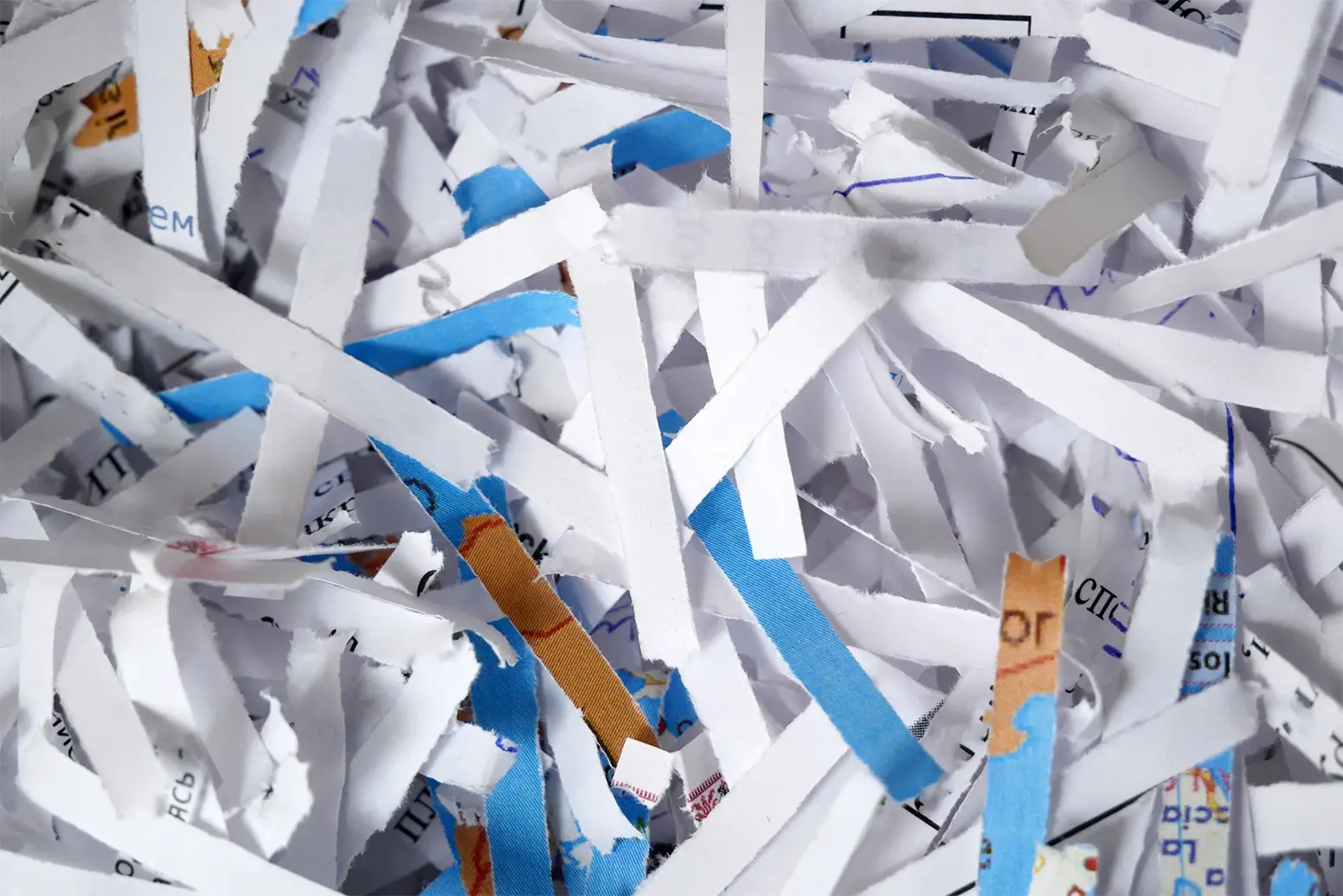
- Confidential papers and sensitive data
- Organic and food waste
- Dry Mixed Recyclables (DMR)
When extensive amounts of waste accumulate, and with such a range of different materials, businesses need effective waste management solutions in place to tackle it.
Why effective manufacturing waste management matters
Effective waste management is about tackling operational efficiency as much as it is about expenses and legal compliance. By proactively managing waste streams, manufacturers can achieve a multitude of benefits.
Immediate disposal cost reduction
Lowering your organisation’s reliance on expensive landfill disposal instantly saves expenses on multiple avenues. Your business will avoid Landfill Tax charges that rise year-on-year and will reduce the total collections needed, saving you money on collection costs too.
Improved recycling rates
Certain recyclables like baled cardboard, clear shrink wrap, and certain scrap metals hold market value which turns waste into potential rebate income or significantly lower disposal fees. When businesses take this into account, they can make a saving or generate income through this recycling rebate process.
Operational efficiency
By implementing designated waste handling areas in your organisation, floor clutter and trip hazards are cleared away. This means that forklift lanes are kept clear, making for much more efficient and flowing floor operations.
Environmental compliance
Effective waste management systems for manufacturing environments directly support and comply with ISO 14001 Environmental Management standards.
These regulations expect businesses to put procedures in place that manage risks related to waste generation and other environmentally damaging hazards. This compliance helps towards organisational Environmental, Social, and Governance (ESG) goals and legal Duty of Care reporting compliance.
Improved brand reputation
Demonstrating responsible waste reduction strengthens supply chain credentials and improves client (and potential client) impressions of your organisation.
Manufacturing waste: how can you reduce it?
The best way to begin when looking to reduce the amount of waste your business produces is with a waste stream review. By taking a look at the entire picture, from arrival to final product delivery, you can pinpoint exactly where, why, and how waste is generated.
Conduct a waste stream review
The best way to begin when looking to reduce the amount of waste your business produces is with a waste stream review. By taking a look at the entire picture, from arrival to final product delivery, you can pinpoint exactly where, why, and how waste is generated.
Find the avoidable production waste
Once waste generation has been identified, you can pick out where the waste is unavoidable and where you can make small changes to prevent unnecessary loss. This can look like switching single-use transit crates to reusable ones or refining cutting patterns to minimise offcut amounts.
Improve waste segregation
By introducing simple alterations to your factory floor, it’s very likely you’ll reduce more waste than you may think. Having dedicated recycling containers right at the point of production will prevent clean cardboard and plastics from being mixed in with general waste.
Engage and educate your workforce
Make sure training is extended to every level of your team. For floor-level staff, it’s important that they understand waste sorting and how proper waste segregation is a benefit.
Improving recycling within a manufacturing environment
To build an efficient recycling culture on the factory floor, recycling systems must be able to integrate into everyday workflows:
- Implement strategic collection points like segregated bins and balers near high-waste workstations. This removes the need for staff to have to travel to disposal points and makes recycling the easy and efficient option.
- Use clear visual signage on the factory floor. For example, colour-coded labels, icons, and signs that aren’t overly wordy will help your team avoid guessing and carry out correct sorting.
- Separate high-value materials like film and cardboard. This will preserve material quality and draw higher recycling rebates.
Recycling should be simple and accessible. With the right measures in place, it becomes a natural part of your team’s working day, making it easy to recycle without disrupting their work.
Choosing waste containers and collection schedules
Waste management is much easier when you have the right equipment and schedules for the job. Here’s how we determine what’s best for the sites we work with:
Waste containers
In order to select the right waste containers for your site, there are a few things you should consider:
- Which workstation creates the most waste?
- How does the size of the waste produced vary?
- What is the factory floor layout like?
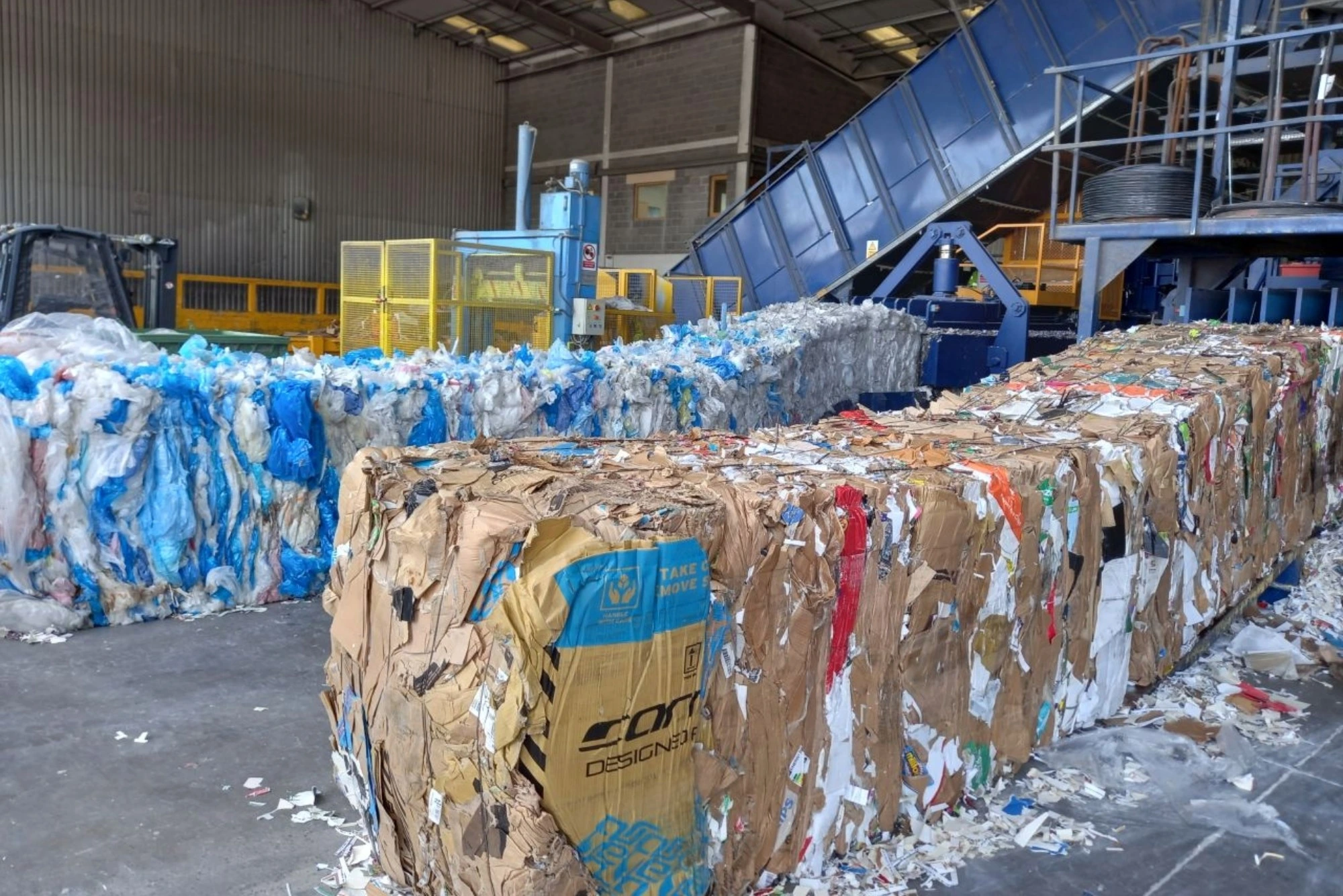
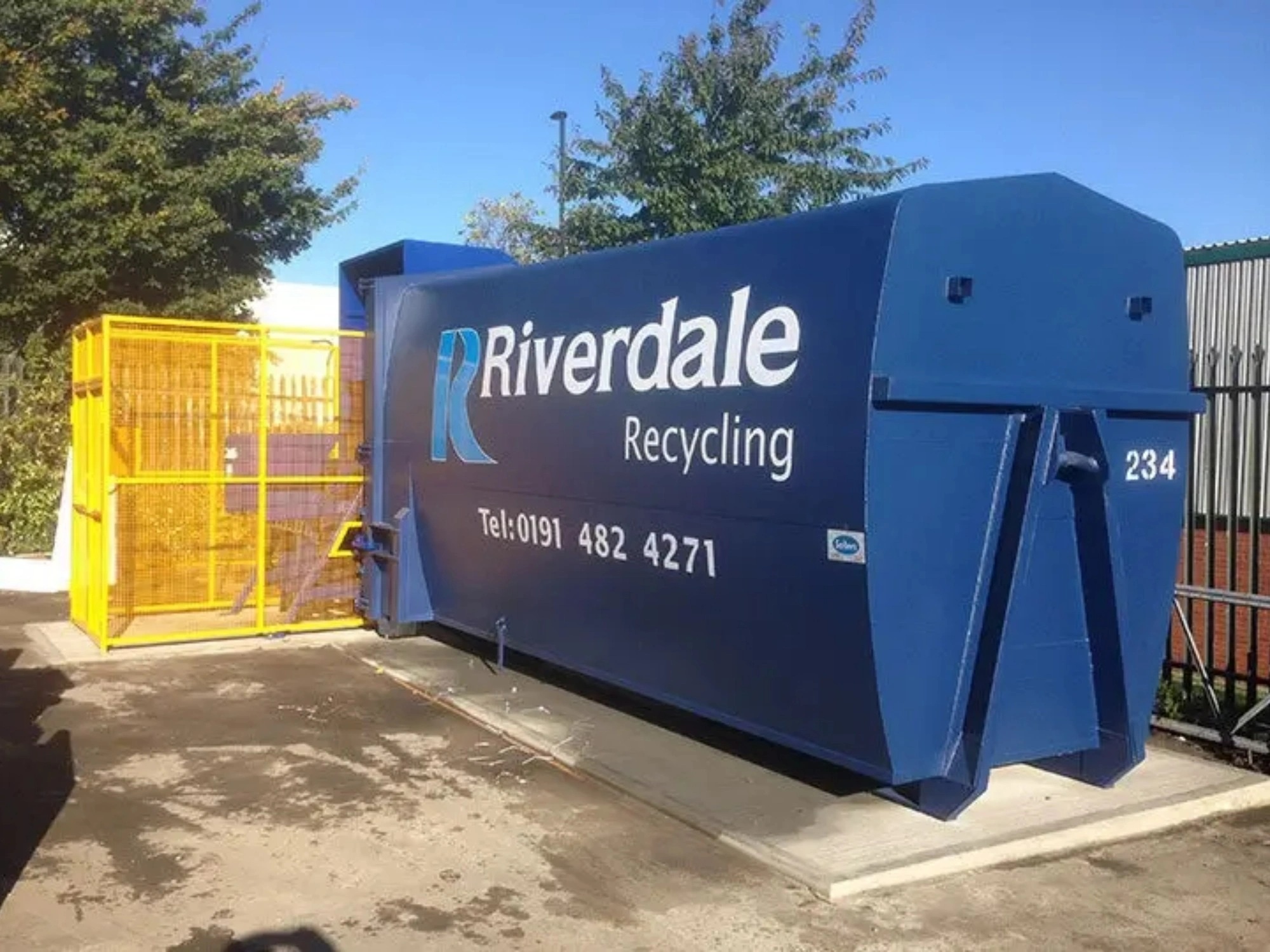
Waste in manufacturing ranges from tiny plastic offcuts to huge cardboard boxes and wooden pallets that aren’t disposed of so easily. For small, loose waste, wheelie bins or front-end loaders (FELs) are appropriate containers to prevent wind blowing debris about. Bulky packaging and elongated material require open-top skips or on-site balers that will crush large volumes down to manageable sizes.
For a compact factory floor layout, tight-fit solutions are in order. For example, slim and mobile wheelie bins are ideal for gathering waste further inside the factory and bringing it to a larger area where larger containers will fit.
Collection schedules
When deciding on the correct collection schedule for your business, ask yourself:
- How fast are containers reaching capacity?
- Do volumes of waste fluctuate over time?
- Are there any operational constraints or site access hours to be aware of?
If your waste containers fill up consistently quickly, you will need set daily pick-ups, or multiple pick-ups a week. For slower waste streams, on-demand or weekly schedules will suffice.
For certain manufacturing organisations, waste production peaks throughout certain seasons and drops during others. If this is the case, a flexible schedule would allow you to scale collection frequency with ease as your production demand changes.
Finally, if your site has specific collection truck requirements or strict access times, you should set collections during off-peak operational hours to ensure complete safety and prevent internal traffic issues.
How waste audits support manufacturers
A professional waste audit involves an on-site walkthrough with a professional to map every waste stream, measure volumes, and review the overall workings of waste disposal.
By undergoing an audit, organisations can uncover incredibly useful information about the current state of their waste management. This could include finding that valuable recyclables are ending up in general waste containers or finding operational inefficiencies that are inflating costs.
Furthermore, the clear data produced will break down the weight, type, and cost of your wasted materials and provide recommendations for storage types and collection schedules that best suit your production layout.
Finally, a thorough action plan can be created, providing your company with a step-by-step roadmap that is tailored to your specificities and processes. This will support you in getting the most out of your recyclable materials and keep you in alignment with environmental legislation.
How Riverdale Recycling is supporting waste management in manufacturing
Managing your manufacturing waste with efficiency starts with a clear view of your operations. Every production line, packing station, and assembly point generates waste, and handling it cost-effectively requires more than just a standard bin collection.
At Riverdale Recycling, we work directly alongside manufacturers to turn waste management into a simple, cost-efficient, and sustainable part of daily operations. By conducting waste audits, we identify hidden value in your waste streams and pinpoint logistical factory floor inefficiencies to lower your disposal fees.
Using this data, we can implement tailored solutions to your container setups and collection schedules. Combined with transparent reporting that supports your ISO 14001 requirements, Riverdale provides the expertise and equipment to boost factory waste recycling performance across your entire facility.
With productive manufacturing waste management, your waste streams become effortless operational processes, keeping your floor organised and your disposal costs under control. Get in touch with our helpful team to book a free waste audit or get more information.
More from our blog


Serving UK businesses for over 40 years
We have built a legacy of expert waste management, driving innovation in sustainable recycling solutions.

Operating a Zero Waste to Landfill policy
We strive to eliminate landfill reliance through meticulous sorting, processing and innovative waste-to-energy services.

North East based, delivering nationwide services
We're a North East company with a national footprint, supporting businesses across the UK.

Expert knowledge with a personalised service
We tailor our waste management solutions to meet your unique business needs, offering ongoing support.
Let's explore your recycling options
We’ll help you develop a tailored waste management solution that meets your business goals and environmental objectives. We’re here to answer your questions and provide expert guidance.